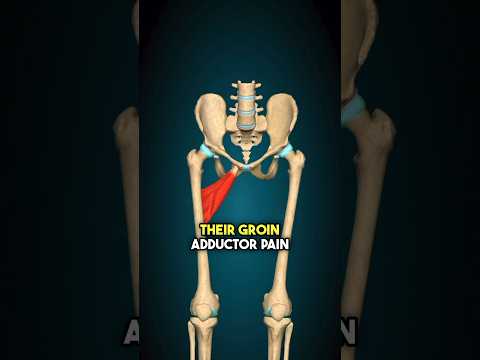
Have you ever felt a nagging pain in your inner thigh? If so, you may be experiencing adductor tendinopathy. It’s a condition that affects the tendons connecting your inner thigh muscles to the pelvis. While it might not be as well known as other injuries, understanding this issue is vital for anyone active in sports or even daily physical activities.
Adductor tendinopathy can stem from various causes—overuse from repetitive motions, sudden increases in activity level, or even inadequate warm-up routines. Think of your muscles and tendons like elastic bands; if you stretch them too quickly or too much without preparation, they can become damaged and painful.
But don’t worry! Solutions are available. Resting the affected area, applying ice, and gradually returning to activity with proper warm-ups can help. Physical therapy is also beneficial, focusing on strengthening and stretching the right muscles.
However, it’s essential to remember that each person’s body responds differently to treatment. Therefore, consulting different specialists, such as physical therapists or sports medicine doctors, can provide valuable insights tailored to your situation.
In our quest for understanding adductor tendinopathy and its solutions, let’s approach this topic with curiosity but also caution. Relying on varied sources of information will equip you with the knowledge needed to make informed decisions about your health. Always prioritize communication with healthcare professionals who can guide you effectively on your recovery journey.
The information provided in this article is intended solely for general informational and educational purposes. It does not constitute medical advice, diagnosis or professional treatment, and should not be considered a substitute for consultation with a qualified doctor or other licensed healthcare professional. Any health-related decisions should be made in consultation with accredited medical professionals.
While efforts have been made to ensure the information is accurate and up to date, no guarantees are given—either express or implied—regarding its accuracy, completeness, currency or suitability. Use of this information is at your own discretion.
It is strongly recommended to consult official sources such as the NHS (National Health Service) or other recognised medical institutions before acting on any information contained on this website or article. Under no circumstances should professional medical advice be ignored or delayed due to content read here.
This content is of a general and informational nature only. It is not intended to replace individualised guidance from a healthcare professional or to establish any doctor-patient relationship. The publication of this information does not imply any professional responsibility, guarantee or obligation on the part of the author or this site.
Unraveling the Mystery Behind Adductor Tendinopathy Origins
Adductor tendinopathy is a condition that affects the tendons of your inner thigh muscles. These muscles help with movements like walking, running, and even sitting. Understanding where this condition comes from can help us manage it better.
First, let’s talk about what tendinopathy actually is. It refers to a degeneration of the tendon tissue, often due to overuse or injury. Think of it like a worn-out rubber band that has lost its stretchiness.
Many factors can lead to adductor tendinopathy. One common cause is overuse. Athletes or people who suddenly increase their physical activity may experience this issue more frequently. Like a car that’s driven too hard without proper maintenance, our bodies also need time to adapt.
Another culprit can be muscle imbalances. If one muscle group is weaker than another, it can lead to uneven stress on the tendons. Imagine pushing down harder on one side of a see-saw; it won’t balance well and may break.
Additionally, poor technique during physical activities plays a big role. Whether you’re running or lifting weights, using improper form can strain your adductor muscles and their attached tendons. It’s similar to trying to lift something heavy while twisting your back — not the best idea!
- Aging: With age, our bodies naturally lose some elasticity in tissues.
- Nutritional deficiencies: Lack of certain nutrients may weaken tendon health.
- Anatomy: Some people are born with structural differences that predispose them.
- Your activity level: A sudden jump in intensity levels without proper conditioning.
It’s important not to ignore any nagging pain in your groin area. Early intervention often leads to better outcomes. Just like fixing a small leak before it turns into a flood.
Managing symptoms usually involves rest and gradual return to activity rather than jumping straight back into intense workouts. Think of it as letting a bruise heal before applying pressure again.
Finally, consider talking with someone who understands body mechanics if you’re unsure about your movements or exercise routines. They can help you strike the right balance so you don’t run into problems later on.
Understanding the origins of adductor tendinopathy helps make informed choices about prevention and care. Knowledge empowers you!
“Essential Strategies for Easing Pain and Restoring Mobility”
Adductor tendinopathy is a common issue affecting the inner thigh muscles and tendons. This condition can lead to pain and a decrease in mobility. Understanding it can help individuals manage their symptoms effectively.
What causes adductor tendinopathy?
The primary cause is often overuse, particularly from activities like running, jumping, or sudden changes in direction. Athletes may be more prone to it. Weakness or tightness in the hip and thigh muscles can also contribute to this problem.
When the adductor muscles are stressed repeatedly, tiny tears can occur in the tendon. This leads to inflammation and pain, similar to when you push too hard on a rubber band until it frays.
Common symptoms include:
So, how can one ease pain and restore mobility? Here are some essential strategies:
Rest is vital.
It allows your body to heal. Avoid activities that trigger pain or discomfort.
Icing helps.
Applying ice packs for 15-20 minutes several times a day can reduce swelling and numb acute pain.
Gentle stretching is beneficial.
Gentle stretches for your inner thighs may help alleviate tightness. Think of it as loosening up a too-tight shoelace.
Strengthening exercises are key.
Incorporate exercises targeting your hip and thigh muscles slowly. Use bodyweight movements at first before advancing to weights.
Your footwear matters.
Proper shoes provide support during physical activities. It’s like having a robust foundation for building a house; without it, everything else may be unstable.
Always listen to your body while recovering. If an exercise aggravates your pain, stop immediately.
Additionally, consider consulting with someone experienced in rehabilitation for tailored advice. They can provide guidance based on personal needs.
Sometimes combining treatment approaches works best—resting while gradually introducing exercises might create an effective plan without overwhelming yourself.
Understanding these concepts about adductor tendinopathy allows for informed decisions regarding symptoms management leading toward improved quality of life. Remember that everyone’s experience is different; what helps one person may not suit another perfectly. Be patient with yourself during this process!
Exploring the Possibility of Recovery and Long-term Solutions
Adductor tendinopathy is a condition that affects the tendons in your inner thigh. It can bring discomfort and limit movement, especially for athletes or those who engage in activities involving quick changes of direction. Understanding this condition is the first step towards recovery.
Causes of adductor tendinopathy are varied. Often, it’s due to overuse from activities like soccer or dance. Poor biomechanics, or even a previous injury, can increase the risk. Think of it like driving a car with misaligned wheels; eventually, something will give way.
Recognizing symptoms early is crucial. You might feel pain in the groin area or notice discomfort when stretching your legs apart. Sometimes it can make simple tasks, like walking or climbing stairs, challenging.
Recovery is possible but may take time and patience. Resting the affected area is an essential first step. Just like allowing a sprained ankle to heal, giving your adductors time to recover can significantly help.
Physical therapy plays a key role in rehabilitation. A therapist can guide you through exercises that strengthen surrounding muscles and improve flexibility. Picture this as tuning an instrument; each part must be in harmony for optimal performance.
Long-term solutions focus on preventing future issues. This includes maintaining strength and flexibility through regular exercise that targets not just the adductors but also surrounding muscle groups.
It’s helpful to consider aspects of your lifestyle too—like footwear quality and workout intensity—as these factors also play into tendon health.
Remember, everyone’s recovery journey varies greatly based on individual circumstances. Engaging with knowledgeable individuals about personalized plans is always recommended.
Listening to your body cannot be overstated either; if something feels wrong during exercise or daily activity, don’t ignore it! Adjustments might save you from bigger problems down the road.
In sum, while adductor tendinopathy may present challenges, there are pathways towards recovery and long-term health strategies available for everyone willing to seek them out with informed choices and careful action.
Adductor tendinopathy refers to pain and dysfunction in the muscles and tendons of the inner thigh. Understanding its causes and solutions is crucial for both athletes and those leading active lifestyles.
The primary cause often stems from overuse or repetitive strain, common in sports that involve sprinting, kicking, or sudden directional changes. This is akin to a rubber band that gets stretched too far too often—it eventually begins to fray.
Symptoms typically include localized pain in the groin area, tenderness during activity, and sometimes swelling. It’s essential to listen to your body; ignoring pain can lead to more significant issues down the line.
Solutions often start with rest and modification of activities. Involving physical therapy can be invaluable—you’ll work on strengthening surrounding muscles, improving flexibility, and correcting any movement patterns that may contribute to the problem.
Preventative measures include proper warm-up routines and strength training for the adductors. Think of it as building a strong foundation for a house; without it, everything else becomes unstable.
Ultimately, addressing adductor tendinopathy requires patience and a tailored approach. Recovery is a journey—understanding your body’s signals can steer you towards better health choices.