The information provided in this article is intended solely for general informational and educational purposes. It does not constitute medical advice, diagnosis or professional treatment, and should not be considered a substitute for consultation with a qualified doctor or other licensed healthcare professional. Any health-related decisions should be made in consultation with accredited medical professionals.
While efforts have been made to ensure the information is accurate and up to date, no guarantees are given—either express or implied—regarding its accuracy, completeness, currency or suitability. Use of this information is at your own discretion.
It is strongly recommended to consult official sources such as the NHS (National Health Service) or other recognised medical institutions before acting on any information contained on this website or article. Under no circumstances should professional medical advice be ignored or delayed due to content read here.
This content is of a general and informational nature only. It is not intended to replace individualised guidance from a healthcare professional or to establish any doctor-patient relationship. The publication of this information does not imply any professional responsibility, guarantee or obligation on the part of the author or this site.
Have you ever felt overwhelmed by the constant buzz of distractions around you? Or maybe you’ve noticed that a friend or family member struggles to socialize in what seems like a simple gathering? It turns out, understanding conditions like ADHD and autism can be a game-changer for many people, both those affected and their loved ones.
These conditions affect how individuals think, feel, and interact with the world. Symptoms can range from difficulties focusing and managing impulses to challenges in communication and social skills. But it’s not just about the labels—it’s about real lives, daily experiences, and finding ways to thrive.
This article will dive into what ADHD and autism look like, offering insights on symptoms as well as care options available. We want to help demystify these conditions so you feel more equipped to approach them with understanding.
It’s important to remember that this content doesn’t replace personalized medical advice. Always consult a healthcare professional when making decisions about health care. Let’s get started on this journey together!
Supporting Unique Minds: Effective Ways to Foster Understanding and Connection
Understanding ADHD and Autism
Hey there! Let’s talk about ADHD and autism, two conditions that are often misunderstood. Both are unique ways the brain works. It’s important to remember that everyone is different, and these differences can be seen in behavior, communication, or even how someone interacts with the world.
What is ADHD?
ADHD stands for Attention-Deficit/Hyperactivity Disorder. Kids (and adults) with ADHD might struggle with focus, impulsivity, or hyperactivity. Imagine trying to concentrate on a book while a fireworks show is happening right outside your window—that’s kinda what it’s like for someone with ADHD.
Common Symptoms of ADHD
- Poor attention to detail
- Difficulty following instructions
- Tendency to interrupt others
- Restlessness and fidgeting
What About Autism?
Autism Spectrum Disorder (ASD) is a broader term that encompasses a range of symptoms related to social interactions and behaviors. Think of it as a big umbrella under which many unique experiences fit.
Common Symptoms of Autism
- Difficulties in understanding social cues—like knowing when to look someone in the eye or recognizing when it’s their turn to speak
- A strong preference for routines or rituals; change can be really tough
- Sometimes showing intense interest in specific topics or activities—like dinosaurs or trains!
- Differing sensory sensitivities; some might love wearing soft fabrics while others can’t stand loud noises.
Caring for Unique Minds: Effective Approaches
The thing is, understanding someone who has either ADHD or autism takes patience and openness. Here are some supportive strategies:
- Create Structure: A daily routine can be super helpful! Predictability often provides comfort.
- Clear Communication: Use simple language. It helps avoid confusion!
- Sensory Considerations: Be mindful of environments—some may be overwhelmed by bright lights or loud sounds.
- Praise Efforts: Celebrate small wins! Positive reinforcement goes a long way in building confidence.
The Importance of Connection
You know, fostering connections is key. Whether it’s through playdates for kids or support groups for adults, social interactions can enhance understanding and empathy. Connections help break down barriers—and that makes life more enjoyable for everyone involved!
Taking Action: What You Can Do?
If you suspect you or someone you love may have symptoms associated with ADHD or autism, seeking advice from mental health professionals can help clarify things further. They can provide insights tailored specifically to individual needs rather than one-size-fits-all solutions.
This journey isn’t just about learning what these conditions mean; it’s about embracing uniqueness while supporting those who experience the world differently! After all, diversity enriches our lives in so many meaningful ways!
Navigating Daily Challenges with Confidence and Clarity
Hey! Let’s talk about ADHD and autism. These are two neurological conditions that can affect how people think, feel, and act. Understanding them is key to navigating daily life more smoothly.
What is ADHD?
ADHD stands for Attention Deficit Hyperactivity Disorder. People with ADHD often struggle with focusing, controlling impulses, or staying still when expected. Think of it like a TV remote stuck between two channels—it’s hard to settle on one thing!
Typical Symptoms of ADHD
- Difficulty paying attention
- Easily distracted by external stimuli
- Impulsivity—acting without thinking
- Trouble following instructions or completing tasks
For many, these symptoms can make daily routines challenging—like getting ready in the morning or finishing school work.
What is Autism?
Autism, or Autism Spectrum Disorder (ASD), is a bit different but still impacts daily life. It’s called a “spectrum” because it varies wildly from person to person. Some may have excellent language skills, while others might not speak at all.
Typical Symptoms of Autism
- Difficulties with social interactions and communication
- Persistent patterns of behavior or interests
- Sensitivity to sensory experiences (lights, sounds)
- A need for routine and predictability
This might mean that some people prefer sticking to specific routines each day while feeling overwhelmed in busy environments.
Caring for Those with ADHD and Autism
You know? Care options vary widely depending on individual needs. Some find success with therapy—like cognitive-behavioral therapy (CBT). This form of therapy helps individuals change unhelpful thought patterns.
Others might benefit from coaching or support groups where they can share experiences and gain insights from peers facing similar challenges.
The Role of Medication
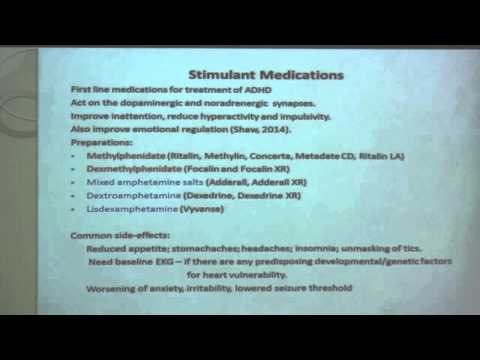
The conversation around medication isn’t simple either. Some individuals find that medications help manage symptoms effectively; others may prefer non-medication approaches like behavioral therapies or lifestyle changes like exercise and diet adjustments.
Myths About ADHD and Autism
- Mistake number one: “ADHD isn’t real.” Many scientists agree that it’s a genuine neurological condition based in the brain’s structure.
- Mistake number two: “All autistic people are the same.” Each autistic person has their own set of strengths and challenges; it’s essential to recognize this diversity.
- Mistake number three: “Medication will fix everything.” While medications can help some individuals manage their symptoms better, it’s rarely the only answer—it should be part of a broader care plan.
- Mistake number four: “People grow out of ADHD.” While some may adapt as they age, many adults still experience symptoms into adulthood requiring continued support.
Paving Your Way Forward
Navigating life with ADHD or autism takes patience—for both individuals and their loved ones. Support systems like family members teachers can play a significant role too!
If you’re ever unsure about what path to take for someone who seems stuck in their routines or behaviors related to these conditions—reach out! Sometimes just discussing worries openly can lead you toward clarity about options available—creating a sense confidence going forward as well!
Empowering Strategies for Nurturing Unique Minds
Understanding ADHD and Autism: Symptoms and Care Options
Hey, let’s dive into a topic that’s really important to many families—ADHD and autism. These conditions affect people in different ways. Understanding the symptoms can help us support those who think differently.
What is ADHD?
ADHD stands for Attention-Deficit/Hyperactivity Disorder. People with ADHD may find it hard to focus, stay still, or control their impulses. It’s like trying to focus on one movie while multiple screens are playing in the background.
Common symptoms include:
- Inattention—daydreaming or being easily distracted.
- Hyperactivity—restlessness or fidgeting.
- Impulsivity—acting without thinking about the consequences.
What About Autism?
Autism Spectrum Disorder (ASD) affects how individuals communicate and interact with others. Think of it as a unique way of experiencing the world. Some might have challenges with social cues, while others could have strong interests in specific topics.
The spectrum means there’s a wide range of symptoms, such as:
- Difficulties with social communication.
- Repetitive behaviors or routines.
- Sensitivity to sensory inputs like sounds or lights.
Caring for Unique Minds
Caring for individuals with ADHD or autism involves understanding their unique needs. Each person is different, so strategies should be tailored accordingly. A little patience goes a long way here!
Behavioral Strategies
You might want to try establishing routines that provide structure. Predictability can help reduce stress for individuals with these conditions. For example, having set times for homework, meals, and activities can create a sense of security.
Mental Health Support
Counseling can also be helpful. Therapists trained in behavioral techniques often work well with those diagnosed with ADHD or autism. They use methods like cognitive-behavioral therapy (CBT) which helps manage emotions and thoughts in practical ways.
Nurturing Interests
An area worth focusing on is their interests! Encouragement in special interests can lead to learning opportunities and build self-esteem—a win-win situation!
The Importance of Collaboration
No one should navigate this journey alone. Families, teachers, and healthcare professionals need to work together! Sharing insights creates a more rounded approach to care and understanding.
A Final Thought on Empathy
No matter what challenges come up, remember empathy is key here—you know? Everyone deserves understanding as they navigate their own paths through life!
- Treat each individual as an individual: There’s no one-size-fits-all approach when it comes to supporting someone with ADHD or autism!
- Avoid labeling: Focus on strengths rather than limitations; remember that everyone has unique gifts!
- Keeps lines of communication open: Being approachable makes it easier for them to express themselves freely.
Understanding ADHD and Autism: Symptoms and Care Options
Recognizing and understanding ADHD (Attention Deficit Hyperactivity Disorder) and autism is essential for providing better support for individuals affected by these conditions. Both conditions are often misunderstood, but they have distinct symptoms and care needs.
Symptoms of ADHD
ADHD primarily affects attention, impulse control, and activity levels. Individuals might experience difficulty focusing on tasks, becoming easily distracted, or acting without thinking. For example, a child might jump from one activity to another without completing any of them. Adult symptoms can manifest as restlessness or issues with time management.
Symptoms of Autism
On the other hand, autism spectrum disorder (ASD) includes challenges with social interactions, communication difficulties, and repetitive behaviors. A child with autism may struggle to interpret social cues or may have specific interests that they pursue intensely. This can make fitting in at school or work quite hard.
Care Options
Caring for individuals with these conditions involves a mix of therapies tailored to their needs. For ADHD, behavioral therapy combined with medication can be beneficial in managing symptoms. Parents often find structure helps improve focus at home.
For those on the autism spectrum, early intervention is crucial. This often includes speech therapy or occupational therapy to enhance everyday skills. Support groups can also provide families with community and understanding.
Both conditions require personalized approaches because everyone’s experience is unique. Some people might benefit from a combo of therapies while others may find success through alternative methods like mindfulness practices.
The Importance of Awareness
A greater awareness about ADHD and autism helps reduce stigma and fosters understanding in schools, workplaces, and communities. The goal is to create inclusive environments where individuals can thrive.
The journey isn’t easy; it requires patience from everyone involved—caregivers, educators, doctors—and most importantly those diagnosed themselves. Empathy goes a long way in supporting each other.