
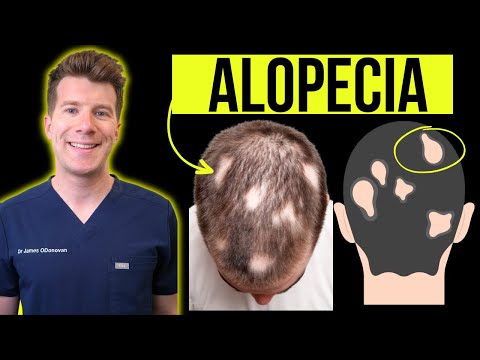
Alopecia areata is a condition that surprises many. Imagine waking up and noticing patches of hair missing from your scalp or body—this can be a reality for those affected by this autoimmune disorder. It’s more than just hair loss; it can impact self-esteem, confidence, and even everyday interactions.
In simple terms, alopecia areata occurs when the immune system mistakenly attacks hair follicles. Just like how our body might react to a cold or infection, it mistakenly identifies these follicles as threats. This reaction leads to sudden and unpredictable hair loss.
Understanding alopecia areata involves exploring not just the physical aspects but also the emotional toll it can take on individuals. It’s important to recognize and talk about feelings surrounding this diagnosis, as support plays an essential role in coping.
While information is plentiful today, be cautious about where you seek your knowledge. Always **inform yourself** through different specialists—a dermatologist is usually the best starting point—as well as credible sources online or support groups where you can hear from others’ experiences. Stay curious but critical; not everything you read will be accurate or helpful in navigating this condition effectively.
The information provided in this article is intended solely for general informational and educational purposes. It does not constitute medical advice, diagnosis or professional treatment, and should not be considered a substitute for consultation with a qualified doctor or other licensed healthcare professional. Any health-related decisions should be made in consultation with accredited medical professionals.
While efforts have been made to ensure the information is accurate and up to date, no guarantees are given—either express or implied—regarding its accuracy, completeness, currency or suitability. Use of this information is at your own discretion.
It is strongly recommended to consult official sources such as the NHS (National Health Service) or other recognised medical institutions before acting on any information contained on this website or article. Under no circumstances should professional medical advice be ignored or delayed due to content read here.
This content is of a general and informational nature only. It is not intended to replace individualised guidance from a healthcare professional or to establish any doctor-patient relationship. The publication of this information does not imply any professional responsibility, guarantee or obligation on the part of the author or this site.
Nurturing Your Locks: Simple Tips for Loving Your Hair Journey with Alopecia
Alopecia areata is a condition that causes hair loss in patches. It can happen to anyone, regardless of age or gender. Understanding it is the first step in nurturing your hair and embracing your journey.
Emotions play a big role when dealing with hair loss. Many individuals feel sadness or frustration. It’s completely normal to have these feelings. Connecting with supportive friends or groups can make a world of difference.
Taking care of your scalp is vital. A healthy scalp can promote growth and overall well-being. Here are a few simple tips:
Diet also matters! Eating a balanced diet rich in vitamins and minerals can support healthy hair. Consider foods like:
Stress can trigger or worsen alopecia. Finding ways to manage stress is key. Activities such as yoga, meditation, or deep breathing exercises can be beneficial.
Another aspect is styling choices. Embrace styles that make you comfortable! Wigs, scarves, or hats not only offer protection but can also be fashion statements.
Remember, each person’s experience with alopecia is unique. What works for someone else might not work for you. Be patient and give yourself time to adjust.
Stay informed about new treatments and research related to alopecia areata. Knowledge fuels empowerment!
Lastly, consider consulting with health providers if you have questions about managing alopecia effectively. They can guide you on options suited to your needs.
Through understanding and self-care, loving your hair journey becomes possible—even amidst the changes that alopecia may bring!
Exploring the Everyday Challenges and Triumphs of Living with Hair Loss
Living with hair loss can be a challenging journey for many people. Hair loss isn’t just about appearance; it often affects self-esteem and emotional well-being. One of the common types is called alopecia areata.
Alopecia areata is an autoimmune condition. This means that the body’s own immune system mistakenly attacks hair follicles. The result? Patches of hair loss on the scalp or other parts of the body.
Understanding its triggers helps in coping with this condition. Stress, genetics, and sometimes environmental factors can play a role in alopecia areata. However, not everyone knows what specifically triggers their hair loss.
Everyday challenges associated with alopecia include changes in self-image and social interactions. Some people might feel anxious or depressed about their appearance. This can lead to avoiding social situations, which only adds to feelings of isolation.
On the flip side, many find ways to cope and even thrive despite hair loss. Support groups offer community and understanding for those affected by alopecia areata. Sharing experiences creates bonds and encourages open conversations about emotions related to hair loss.
There are various coping strategies. Some opt for wigs or hats as a way to feel more comfortable in public. Others embrace their new look, finding confidence in being different from societal norms.
It’s also important to talk about possible treatments available for those who wish to explore options. While some may find relief through medication or therapies, others might choose natural approaches like dietary changes or stress management techniques.
Education plays a key role. Learning about alopecia can demystify misconceptions that often surround it. For instance, many believe it is contagious or caused by poor hygiene when that’s far from the truth.
Another common myth involves gender stereotypes; both men and women can experience alopecia areata equally but may react differently to its impact on their lives.
Ultimately, living with hair loss is a personal journey filled with ups and downs. Finding support from friends, family, and communities can make all the difference.
Embracing one’s identity beyond physical appearance allows individuals to flourish within themselves regardless of hair status.
In summary:
Being informed empowers those experiencing hair loss to make choices best suited for them while fostering resilience amid change.
Finding the Right Balance for Healthy Hair Care
Healthy hair care is essential for everyone, but it becomes even more crucial for those experiencing conditions like alopecia areata. This autoimmune disorder can lead to sudden hair loss, often in noticeable patches. Understanding how to care for your hair can help maintain its health and appearance.
Finding the right balance means knowing how to protect and nourish your hair while being gentle with it. Hair is delicate, much like a flower that needs just the right amount of sunlight and water. Too much care or too little can lead to problems.
Regular washing is important, but it’s about quality over quantity. Over-washing can strip natural oils from your hair. Aim for washing your hair every two to three days unless you have very oily hair.
Conditioner is your friend. It helps keep hair moisturized and manageable. Look for products that suit your specific hair type—whether it’s curly, straight, fine, or thick.
When combing or brushing, be gentle! Use a wide-tooth comb to detangle wet hair. This minimizes breakage and keeps your strands healthy. Think of it as gently untangling a knot in a necklace rather than pulling hard on it.
Nourishing your body is vital too! What you eat impacts the health of your hair greatly. Foods rich in vitamins A, C, D, E, biotin, and zinc can support healthy growth.
Stress management plays a role as well. High stress levels can contribute to hair loss or exacerbate conditions like alopecia areata. Activities such as yoga or meditation may help find some relief.
It’s also important to be cautious with hairstyles and treatments. Tight hairstyles like braids or ponytails may cause tension on the scalp and potentially lead to further loss over time.
Some might think that supplements will solve all issues related to thinning hair or alopecia areata, but it’s best to approach them critically. Not all supplements are effective for everyone; results vary by individual.
One common myth is that washing less helps retain more moisture—a misconception! While natural oils are good, dirt buildup can harm overall scalp health leading to issues down the road.
If you face persistent changes with your hair or scalp condition—it’s always wise to consult with someone knowledgeable about these topics who can provide tailored advice based on individual needs.
In conclusion, finding the right balance in healthy hair care involves understanding both what nourishes and what stresses your strands—mindfully choosing products and practices that support rather than harm their condition while taking care of yourself holistically too!
Alopecia areata is an autoimmune condition that results in sudden hair loss. It can affect anyone, regardless of age or gender, and often manifests as small coin-sized patches. This condition highlights the intricacies of the immune system and its unpredictable behavior.
Understanding alopecia areata is crucial because it is often misunderstood. Many people think of hair loss strictly as a cosmetic concern, but it can significantly impact self-esteem and mental health. Individuals may feel isolated or anxious about their appearance when they experience visible changes due to this condition.
Education plays a key role in managing alopecia areata. It’s important to convey that while there is currently no cure, treatments are available that may promote hair regrowth or help manage symptoms. Options range from topical corticosteroids to lifestyle adjustments, emphasizing the need for a personalized approach.
Additionally, supporting emotional well-being is essential. Open conversations about hair loss can destigmatize the experience and help those affected find community support through shared experiences.
In summary, understanding alopecia areata goes beyond recognizing it as a form of hair loss; it involves comprehending its psychological implications and advocating for informed treatment options. Through awareness and support, we can foster resilience in those impacted by this unpredictable condition.


