The information provided in this article is intended solely for general informational and educational purposes. It does not constitute medical advice, diagnosis or professional treatment, and should not be considered a substitute for consultation with a qualified doctor or other licensed healthcare professional. Any health-related decisions should be made in consultation with accredited medical professionals.
While efforts have been made to ensure the information is accurate and up to date, no guarantees are given—either express or implied—regarding its accuracy, completeness, currency or suitability. Use of this information is at your own discretion.
It is strongly recommended to consult official sources such as the NHS (National Health Service) or other recognised medical institutions before acting on any information contained on this website or article. Under no circumstances should professional medical advice be ignored or delayed due to content read here.
This content is of a general and informational nature only. It is not intended to replace individualised guidance from a healthcare professional or to establish any doctor-patient relationship. The publication of this information does not imply any professional responsibility, guarantee or obligation on the part of the author or this site.
Ever felt that twinge of worry when a simple cold turns into a stubborn nasal infection? You’re not alone. Many of us have been there, and that’s where Bactroban nasal ointment comes into play. This little tube holds big promises in treating bacterial infections right inside your nose.
Bactroban works by fighting off bacteria, helping to clear up those pesky symptoms that can be hard to shake off. It’s like having your own secret weapon, especially when you’re dealing with something as common as a stubborn runny nose.
But hold on—while it sounds great, every medication comes with its own set of considerations. Understanding how Bactroban works, its uses, and potential side effects is key to making the best choices for your health.
This isn’t professional medical advice, though! Always consult a healthcare provider for tailored guidance. You’ll want to arm yourself with knowledge before diving in and trying anything new.
Let’s demystify Bactroban together so you’ve got all the info you need at your fingertips!
Understanding What to Watch For When Using Bactroban Nasal Ointment
Bactroban nasal ointment is a prescription medication used primarily to treat certain bacterial infections in the nose. It’s specifically designed for conditions caused by a germ called Staphylococcus aureus, which can cause various infections.
How it Works
So, here’s the deal. Bactroban contains an antibiotic called mupirocin. Think of mupirocin as a tiny soldier that fights off bad bacteria in your nose. When you apply it, it helps reduce infection and can promote healing.
When to Use It
Generally, healthcare providers prescribe Bactroban for skin infections and occasionally for nasal decolonization before surgeries or procedures. It’s mostly given when there’s a need to get rid of resistant bacteria.
Application Process
You’ll usually apply a small amount inside each nostril two or three times a day for about five days. Make sure your hands are clean before and after applying it—this helps prevent spreading bacteria around.
Possible Side Effects
No medication comes without potential side effects, right? With Bactroban, some common reactions might include stuff like burning, stinging, or irritation at the application site. These are usually mild and go away quickly.
Watch For Signs
If you notice anything unusual after using Bactroban—like severe itching or rash—or if symptoms don’t improve or get worse over time, it’s best to reach out to your healthcare provider. They’re there to help you navigate these situations!
Interactions with Other Medications
It’s important to tell your doctor about any other medications you’re taking. Sometimes interactions can occur that may alter how well Bactroban works or increase side effects.
- Avoid sharing this medication with anyone else.
- If you’re pregnant or nursing, discuss it with your healthcare provider first.
- Keep an eye on usage duration; don’t extend beyond what was prescribed without consulting them.
- Avoid using antiseptic nasal sprays while on Bactroban unless advised by your doctor.
A Few Key Points
This ointment is really meant for short-term use. Overusing antibiotics can lead to resistance—a condition where bacteria no longer respond to treatments that once worked. That said, make sure to follow the instructions closely!
The thing is, if you’re ever uncertain about how it’s affecting you or if you’re experiencing weird symptoms, don’t hesitate! Your health matters above all else. It’s perfectly okay—and encouraged—to ask questions about any aspect of your treatment process!
Discover the Healing Benefits of Bactroban Nasal Ointment for Nasal Infections
Understanding Bactroban Nasal Ointment
Bactroban is a brand name for an ointment with the active ingredient mupirocin. It’s mainly used to treat infections caused by bacteria, particularly in the nose. You know, these infections can range from minor issues like boils or bumps to more serious concerns.
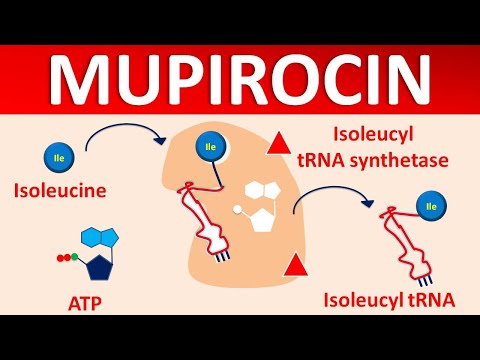
So, how does it work? Well, mupirocin stops bacteria from making proteins they need to grow and multiply. Imagine it like cutting off the supply line for an army; without those resources, they can’t fight back.
Uses of Bactroban Nasal Ointment
Bactroban is often prescribed for nasal colonization of Staphylococcus aureus. This particular bacteria can cause infections if it enters the body through cuts or other openings. Using this ointment helps reduce the amount of bacteria in your nose before surgery or during outbreaks.
It’s especially useful for people who have recurrent skin infections or are at high risk for them. By dampening down those pesky germs, it might help prevent future infections.
Application Tips
If you end up using Bactroban, it’s usually applied inside your nostrils. Just a small amount on a cotton swab or your finger should do the trick. You’ll want to follow your healthcare provider’s instructions closely.
Potential Side Effects
No medication is without its quirks, right? Some people may experience mild side effects like burning or itching where they’re applying the ointment. These sensations typically go away after a short while.
If you notice something more severe—like rash or trouble breathing—well that’s when you’d want to reach out for advice; those could be signs of an allergic reaction that needs attention.
Misinformation and Critical Thinking
A common misconception is that Bactroban can treat viral infections too—like colds and flu—but that’s not accurate! Antibiotics only work against bacteria, not viruses. Understanding this distinction is key because treating a viral infection with antibiotics won’t help and might actually lead to resistance issues later on.
Who Should Use Caution?
- If you’re pregnant or breastfeeding, chat with your healthcare provider about what’s best for you.
- If you’ve had reactions to similar medications in the past—that’s worth mentioning too!
The important thing here is communicating openly with whoever’s guiding your care—whether that’s a pharmacist or someone else in health services.
Wrap-Up Thoughts
Bactroban nasal ointment offers targeted treatment for specific bacterial infections in the nose while helping safeguard against complications down the line. The more we know about what we’re using and why—the better our choices become!
A Simple Guide to Safely Applying Mupirocin Ointment in the Nose
Mupirocin ointment, often known by its brand name Bactroban, is commonly used to treat specific skin infections. But when it comes to applying it internally in the nose, there are important things to keep in mind.
What Is Mupirocin?
So, mupirocin is an antibiotic that fights bacteria. It works by stopping bacteria from making proteins they need to grow and multiply. In simple terms, it’s like a roadblock for bad guys trying to invade your body.
Why Use It in the Nose?
Sometimes doctors recommend mupirocin for nasal application especially for a condition called nasal carriers of Staphylococcus aureus. This bacteria can lead to serious infections if it gets into wounds or surgery sites. By applying mupirocin inside the nose, you’re basically trying to eliminate these sneaky bacteria before they cause trouble.
Applying Mupirocin: Step-by-Step
- Wash Your Hands: Always start with clean hands. This helps prevent introducing other germs while you apply the ointment.
- Squeeze a Small Amount: Gently squeeze a tiny amount of the ointment onto your fingertip or directly into your nostril – just a pea-sized drop is enough.
- Application: If you’re using your fingertip, gently rub the ointment inside your nostril. If it’s in a tube with an applicator tip, carefully insert it and apply as directed.
- Breathe Normally: After applying, breathe through your nose normally so that some ointment can spread throughout the nasal passages.
How Often Should You Apply It?
This depends on what your healthcare provider advises. Often it’s used two or three times daily for up to five days—always follow instructions given by them. Deviating from suggested usage could lead to unwanted results!
Possible Side Effects
You might wonder about side effects. Some people experience mild irritation or itching where it’s applied—that’s pretty normal and usually goes away on its own. However, if you notice severe redness or swelling or if you’re having trouble breathing after using it? That’s definitely time to talk with someone who knows better.
A Few Safety Tips
- Avoid touching other areas of skin after applying the ointment without washing hands again first.
- If you accidentally get some in your eyes, rinse them immediately with water and seek medical advice if irritation persists.
- Avoid excessive use; more isn’t always better when it comes to antibiotics—it could lead to resistance!
The Bottom Line
Mupirocin can be effective for treating certain types of nasal bacteria but should be used with care and under guidance from a healthcare professional. Remembering these tips about application and safety can help ensure you’re doing everything right—just like following a recipe gives you that perfect cake!
Understanding Bactroban Nasal Ointment: Uses and Side Effects
Bactroban nasal ointment, which contains mupirocin, is frequently used to treat specific bacterial infections in the nose. It’s especially effective against a common bacteria called Staphylococcus aureus, including some strains resistant to other antibiotics. You might be prescribed this ointment if you have a nasal carrier of these bacteria, which can lead to infections. It’s quite useful in preventing the spread of these germs, particularly in hospital settings.
Using Bactroban is straightforward. You apply a small amount inside each nostril usually twice daily for up to five days. This localized treatment helps minimize side effects that would be more common with oral antibiotics.
However, like any medication, it can come with side effects. Most people tolerate it well, but some may experience irritation or a burning sensation inside the nose. Rarely, serious allergic reactions occur, though that’s not the norm.
It’s essential to understand that while Bactroban is helpful in treating bacterial issues, it won’t work for viral infections like colds or flu. That could lead some people to misuse it which contributes to antibiotic resistance—a significant public health concern.
In reflecting on this treatment option, it’s clear that while Bactroban nasal ointment serves an important role in managing bacterial challenges effectively when used correctly and as prescribed by healthcare professionals.