
The information provided in this article is intended solely for general informational and educational purposes. It does not constitute medical advice, diagnosis or professional treatment, and should not be considered a substitute for consultation with a qualified doctor or other licensed healthcare professional. Any health-related decisions should be made in consultation with accredited medical professionals.
While efforts have been made to ensure the information is accurate and up to date, no guarantees are given—either express or implied—regarding its accuracy, completeness, currency or suitability. Use of this information is at your own discretion.
It is strongly recommended to consult official sources such as the NHS (National Health Service) or other recognised medical institutions before acting on any information contained on this website or article. Under no circumstances should professional medical advice be ignored or delayed due to content read here.
This content is of a general and informational nature only. It is not intended to replace individualised guidance from a healthcare professional or to establish any doctor-patient relationship. The publication of this information does not imply any professional responsibility, guarantee or obligation on the part of the author or this site.
Ever felt that strange ache in your abdomen or noticed something off with your digestion? It can be unsettling, right? The truth is, many people experience issues related to their bile ducts without even realizing it. Bile ducts play a huge role in our digestion, helping break down fats and process nutrients. So when things go wrong there, it can lead to some serious discomfort or complications.
This article dives into the world of bile duct drains. We’ll explore why doctors use them and how effective they really are. You’ll get insights into what happens when a bile duct gets blocked and the purpose of placing a drain to relieve that pressure.
But remember: while this content aims to inform you about bile duct drains and their functions, it doesn’t replace professional medical advice. Always consult with a healthcare provider for personalized care and to make informed health decisions.
Understanding the Duration and Care for Your Biliary Drain
Understanding Biliary Drains
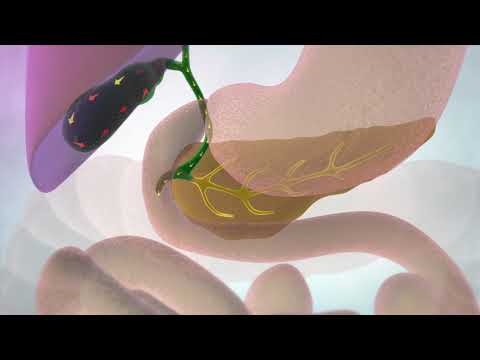
Biliary drains are tubes inserted into the bile ducts to help manage bile flow. Bile is a fluid produced by the liver that helps digest fats and is stored in the gallbladder. Sometimes, problems like blockages or infections can make it hard for bile to flow normally. That’s where biliary drains come in.
Purpose of a Biliary Drain
The main purpose of a biliary drain is to relieve pressure and allow bile to escape when it’s blocked. Imagine trying to pour water through a clogged funnel—eventually, it overflows! A drain effectively creates an alternative route for bile. This can prevent complications like infection or liver damage.
Duration of Biliary Drain Placement
The duration a biliary drain stays in place can vary greatly depending on the individual case. Sometimes, it’s only needed for a few days; other times, it might be necessary for several weeks or even months. Factors influencing this include the underlying condition, how well it’s responding to treatment, and any planned procedures.
Caring for Your Biliary Drain
Caring for your biliary drain is crucial for preventing infection and ensuring it works properly. Keep the area around the insertion site clean and dry. Gentle washing with mild soap and water should do the trick—just be careful not to pull on the tube!
Signs of Complications
If you notice redness, swelling, or drainage at the site where the drain enters your skin, it’s important to contact your healthcare provider. These could be signs of an infection or other issues that may need attention.
Living with a Biliary Drain
Living with a biliary drain can feel strange at first but many people adjust over time. Securing it properly so that it doesn’t get pulled out is key—using adhesive dressings usually helps here.
Diet Considerations
You might wonder about diet while having a biliary drain in place. Eating lighter meals can ease digestion since your body’s handling things differently during this time. It’s also wise to stay hydrated.
Follow-up Care
Regular follow-up appointments are important while you have a biliary drain. These visits allow healthcare providers to monitor how well things are doing and decide if adjustments are needed.
Key Takeaways
- Biliary drains help manage bile flow when there’s blockage.
- The duration varies based on individual circumstances.
- Caring for your drain reduces risks like infections.
- Adjusting lifestyle habits can aid comfort during recovery.
- Follow-ups ensure everything stays on track with healing!
Navigating life with a biliary drain may feel overwhelming at times but remember you’re not alone in this process! Having good communication with your healthcare team will make things easier and help you through any challenges you face along the way.
Navigating Daily Life with a Biliary Drain: Tips and Insights for Comfort and Care
A biliary drain is basically a tube that helps to remove bile from the liver when your bile duct isn’t working right. This can happen for various reasons, like blockages or certain medical conditions. Look, handling a biliary drain can feel pretty overwhelming at first, but with some understanding and practical tips, you can manage daily life more comfortably.
Understanding Your Drain
The main idea behind the biliary drain is to allow bile to flow out of your body instead of getting stuck. Bile is a fluid made by the liver that helps digest fats. When there’s too much pressure because of a blockage, it can lead to pain or infections.
Keeping It Clean
Hygiene is really important when you have a biliary drain. You want to keep the area around it clean to avoid infections. Gently wash the spot with mild soap and water daily—just don’t scrub too hard! And remember to dry it well afterwards.
Managing Discomfort
It’s pretty common to feel some discomfort around the drain site. Sometimes, putting an ice pack wrapped in a cloth on the area for short periods may help relieve swelling or pain. But don’t forget—if things feel way off, it’s good to check in with someone who knows best.
Dressing Changes
You’ll likely need to change your dressing regularly based on your healthcare provider’s instructions. When doing this, make sure you wash your hands first and use sterile supplies if possible. It’s like changing a band-aid; just keep everything super clean!
Clothing Choices
The clothes you wear matter too! Loose-fitting clothing can be more comfortable since tight clothes might rub against your drain and cause irritation. Think about wearing soft fabrics that won’t scratch or poke at sensitive areas.
Daily Activities
You might wonder how this affects your everyday life—like showering or exercising? Showers are usually okay; just avoid soaking in baths until advised otherwise since that could introduce bacteria into the site.
- No heavy lifting: Avoid lifting heavy objects for a while so you don’t mess up anything with the drain.
- Sit straight: Maintain good posture when sitting—it might help reduce discomfort as well.
- Pace yourself: Take breaks if you feel tired during activities; listen to what your body says!
Nourishment Matters
Your diet might change while managing a biliary drain. Fatty foods could upset your stomach since bile isn’t flowing as it should sometimes. Consider smaller meals throughout the day rather than three big ones—like snacks! And definitely talk about any dietary concerns with someone who understands your situation.
Staying Positive
Mental health is just as important as physical health during this time. Surround yourself with supportive friends and family who understand what you’re dealing with; it makes navigating this journey so much easier! Journal about how you’d feeling or find distractions like movies or books—it all counts.
Final Thoughts on Comfort & Care
This whole experience can be challenging—but remember you’re not alone in this journey! By keeping things clean, watching what you eat, dressing comfortably, and knowing when to take breaks, you can handle daily life better while having a biliary drain in place. Just stay connected with those who support you and don’t hesitate to reach out if issues arise!
Navigating the Risks and Challenges of Biliary Drainage Procedures
Biliary drainage procedures are often necessary when there’s a blockage in the bile duct. This blockage could be due to gallstones, tumors, or inflammation. Look, the thing is, it can feel daunting to think about these procedures and their risks.
What is Biliary Drainage?
The main purpose of biliary drainage is to relieve pressure and allow bile to flow from the liver into the intestine. It’s like clearing a clogged sink; once you remove the obstruction, everything goes back to normal.
There are different methods for biliary drainage—some involve placing a tube through the skin that leads directly into the bile ducts. Others might use an endoscopic approach where tools are inserted through your mouth.
Why Consider Biliary Drainage?
When someone has bile duct issues, they might experience jaundice (yellowing of the skin), abdominal pain, or digestive problems. So, while it can be uncomfortable thinking about surgery or procedures, biliary drainage can provide significant relief.
The Risks Involved
- Infection: There’s always a risk of infections at any site where a tube is placed.
- Bleeding: Sometimes blood vessels close to the procedure area can get damaged, leading to bleeding.
- Pneumothorax: If performed inappropriately, air can enter around your lungs causing discomfort or more serious issues.
- Duct Injury: The procedure may inadvertently damage nearby structures, which can lead to further complications.
No one likes hearing about risks but keep in mind that healthcare providers take steps to minimize these issues. They carefully consider if biliary drainage is right for you based on individual circumstances and health history.
The Effectiveness of Biliary Drainage
Biliary drainage tends to be effective at addressing blockages. Many people notice an improvement promptly after procedure completion—sometimes even within hours! That said, effectiveness depends on various factors: what caused the blockage and overall health status play important roles here.
A Few Considerations
If you’re facing this kind of procedure or know someone who is, communication with healthcare providers becomes essential. Ask questions; find out exactly what happens during every step. It’s totally understandable to feel nervous!
- You might ask how long recovery takes—generally it varies but most people start feeling better within days.
- Anxiety about pain? It’s common but there’s usually medication administered for comfort before and after procedures.
The key takeaway? Understanding what you’re getting into takes some weight off your shoulders. Having open dialogue helps navigate this often uncharted territory smoothly!
Understanding Bile Duct Drain: Purpose and Effectiveness Explained
Bile duct drainage is a medical procedure that helps when bile cannot flow properly from the liver to the intestine. It’s essential for digestion, so any blockage can cause serious issues.
The main purpose of a bile duct drain is to relieve pressure and prevent complications like infections or liver damage. Think of it like unclogging a drain in your kitchen sink. When water backs up, things get messy fast. The same goes for bile—stagnation can lead to pain and health problems.
How Does It Work?
Basically, doctors might insert a thin tube into the bile duct through the skin, often using imaging techniques as guidance. This tube helps carry bile away from the liver directly into an external bag or back into the intestines. It’s really about finding a new route for this important fluid.
Effectiveness
The effectiveness of this procedure is significant. Many patients feel relief shortly after, experiencing reduced pain and better overall health. However, it’s not without risks; there can be bleeding or infection at the insertion site.
Why It’s Important
This drainage technique plays a crucial role in managing conditions like gallstones or tumors that block the bile ducts. By keeping things flowing smoothly, healthcare providers help avoid more severe complications down the line.
In summary, understanding how biliary drainage works gives us insight into treating specific conditions effectively while highlighting its importance in maintaining digestive health.

