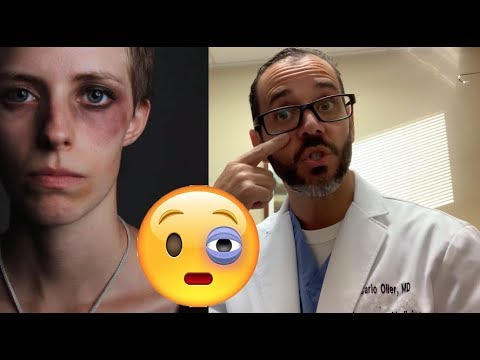
A black eye, or periorbital hematoma, can be a startling sight. It usually appears after an injury, leaving the skin around the eye bruised and discolored. But why does this happen? What can you do about it? Understanding black eyes helps us grasp how our bodies react to trauma.
Think of your body as a complex machine that sometimes shows visible signs of distress. When an impact occurs, blood vessels can break, pooling under the skin’s surface. This results in a distinctive dark mark that can tell a story about what happened.
Healing from a black eye typically involves home care methods like applying cold compresses and keeping your head elevated. Yet, not all black eyes are created equal; some may signal more serious underlying issues.
Warning: If you experience significant pain, vision changes, or if the injury is from a fall or other accident with potential head trauma, seek medical attention immediately. Always consult healthcare professionals for personalized advice and verify information through trusted sources to make informed decisions about your health and well-being.
The information provided in this article is intended solely for general informational and educational purposes. It does not constitute medical advice, diagnosis or professional treatment, and should not be considered a substitute for consultation with a qualified doctor or other licensed healthcare professional. Any health-related decisions should be made in consultation with accredited medical professionals.
While efforts have been made to ensure the information is accurate and up to date, no guarantees are given—either express or implied—regarding its accuracy, completeness, currency or suitability. Use of this information is at your own discretion.
It is strongly recommended to consult official sources such as the NHS (National Health Service) or other recognised medical institutions before acting on any information contained on this website or article. Under no circumstances should professional medical advice be ignored or delayed due to content read here.
This content is of a general and informational nature only. It is not intended to replace individualised guidance from a healthcare professional or to establish any doctor-patient relationship. The publication of this information does not imply any professional responsibility, guarantee or obligation on the part of the author or this site.
Swift Solutions for Quick Recovery from a Black Eye
A black eye occurs when there’s bleeding under the skin around the eye, usually from an injury. It can happen from a punch, bump, or fall. The skin here is thin, making it easy to see the bruising.
To speed up recovery from a black eye, consider these simple strategies:
As the bruise heals, it may change colors—from dark purple to yellow-green—indicating progress. This process can take a week or more.
It’s also important to monitor for complications. If you experience severe pain, vision changes, or excessive swelling, consider seeking medical attention.
In essence, caring for a black eye involves simple home remedies and paying attention to how you’re feeling. Healing takes time; be patient with yourself!
Uncovering the Hidden Forces Behind That Sudden Shiner
A black eye, also known as a shiner, often catches our attention. It’s usually the result of trauma to the face or head. But what exactly happens when that dark bruise forms around the eye?
When you receive a blow to the area, small blood vessels break. This causes bleeding under the skin, leading to that familiar discoloration. Think of it like a tiny water balloon bursting just under the surface.
The color changes we see in a black eye happen as your body heals. Initially, it may appear red or purple. As time passes, it can turn blue, green, and eventually yellow as your body reabsorbs the blood.
While most black eyes are not severe, they can sometimes indicate more serious injuries. If there’s significant swelling or other symptoms like vision problems or severe pain, it’s important to seek help.
Here are some common causes of black eyes:
Interestingly, not all black eyes are due to trauma alone. Conditions such as allergies can cause swelling and discoloration around the eyes too.
Healing from a black eye typically involves rest and care at home. Applying a cold compress in the first 24 hours helps reduce swelling. After that period, warm packs may encourage healing.
It’s essential not to rub or massage the area. This can worsen any bleeding underneath and prolong healing.
Despite their common appearance in sports or minor accidents, it’s best to be vigilant about any sudden changes on your face. If in doubt about symptoms following an injury—especially if accompanied by confusion or headache—don’t hesitate to contact someone for support.
Understanding why these bruises appear helps demystify them. With awareness and appropriate care techniques, you can effectively manage your recovery while keeping an eye out for anything unusual!
Unveiling the Mysteries Behind Darkened Eyes
Darkened eyes, often referred to as “black eyes,” can happen for various reasons. It’s important to understand what causes them and how they may heal over time.
A common cause of a black eye is trauma. This means any kind of injury that leads to bleeding under the skin around the eye. Think of it like a bruise on your arm, but in this case, it’s on your face.
When blood vessels break due to impact, blood leaks into the surrounding tissues. That’s what creates the dark color. The severity can range from minor bumps to serious injuries where medical attention might be necessary.
Another reason for darkened eyes could be inflammation or infection. Conditions like sinusitis can cause swelling and darkness around the eyes. Allergies also play a role by leading to puffiness and discoloration.
Some people might notice dark circles under their eyes due to lack of sleep or fatigue. Just like you might see redness when you’re tired, dark circles can appear because your skin is thinner in that area or because blood flow changes.
Genetics also has its say in this matter. Some individuals simply inherit a predisposition for darker skin under the eyes, regardless of overall health or lifestyle choices.
To help aid recovery from a black eye caused by trauma, applying ice can reduce swelling if done shortly after injury. Make sure not to apply ice directly on the skin; wrap it in a cloth instead.
Rest is essential too! The body heals best when it isn’t stressed or overworked. Allowing time for natural healing is key.
An important note: If you ever experience vision changes or severe pain along with a black eye, seek medical help right away! These signs could indicate more significant issues that need attention.
In summary, black eyes often result from trauma but can arise from various other factors too. Understanding these causes enables us to better manage our healing process effectively and responsibly. Always listen to your body and consult with someone knowledgeable if things don’t seem right!
Understanding black eyes is essential for anyone, as they can result from various causes. A black eye, or periorbital hematoma, occurs when blood pools under the skin due to trauma. This can happen from accidents, falls, or sports injuries.
The first step in addressing a black eye is understanding its origin. Often, it’s simply a bruise and not indicative of serious injury. However, if accompanied by severe pain or vision changes, seeking medical attention is crucial.
Healing typically involves self-care methods such as applying cold compresses to reduce swelling and managing pain with over-the-counter medications. It’s a bit like tending to a garden; just as you would water plants after a storm, you need to nurture your body for proper recovery.
Recovery time varies but usually lasts from a few days to two weeks. During this time, it’s important to avoid further injury and protect the area from additional impact.
Lastly, myths surrounding black eyes often suggest that they are always caused by physical fighting or abuse. While those situations can lead to bruising around the eyes, many other benign causes exist.
In summary:
By understanding how to care for a black eye properly—and when to seek help—you empower yourself in your health journey.