The information provided in this article is intended solely for general informational and educational purposes. It does not constitute medical advice, diagnosis or professional treatment, and should not be considered a substitute for consultation with a qualified doctor or other licensed healthcare professional. Any health-related decisions should be made in consultation with accredited medical professionals.
While efforts have been made to ensure the information is accurate and up to date, no guarantees are given—either express or implied—regarding its accuracy, completeness, currency or suitability. Use of this information is at your own discretion.
It is strongly recommended to consult official sources such as the NHS (National Health Service) or other recognised medical institutions before acting on any information contained on this website or article. Under no circumstances should professional medical advice be ignored or delayed due to content read here.
This content is of a general and informational nature only. It is not intended to replace individualised guidance from a healthcare professional or to establish any doctor-patient relationship. The publication of this information does not imply any professional responsibility, guarantee or obligation on the part of the author or this site.
Understanding Brain Disorders: Symptoms, Causes, and Care
Have you ever forgotten where you placed your keys? It happens to all of us from time to time. But for some people, memory issues and other cognitive problems can be a daily battle. Brain disorders affect millions worldwide, making understanding them crucial.
These conditions can range from anxiety and depression to more serious issues like Alzheimer’s or Parkinson’s disease. It’s staggering to think about how our brain controls so much of what we do—our thoughts, movements, and emotions.
This article is here to break down the vast world of brain disorders. We’ll explore their symptoms and possible causes while discussing ways to provide care. You might be wondering why it matters? Well, understanding these aspects can help you support someone who’s struggling or even recognize changes in your own health.
Please remember that this content doesn’t replace professional medical advice. Always consult a healthcare professional for any concerns about brain health or related symptoms.
Unlocking the Mysteries of the Mind’s Most Challenging Conditions
Understanding Brain Disorders: Symptoms, Causes, and Care
The brain is a complex organ, and when things go awry, it can lead to various conditions known as brain disorders. These can include anything from mental health issues like depression to neurological conditions such as Alzheimer’s. Let’s break this down into manageable pieces.
What Are Brain Disorders?
Brain disorders affect how we think, feel, or act. They also influence our ability to communicate, learn, or manage daily activities. Think of your brain as a finely tuned orchestra; when one instrument is out of tune, the entire symphony can sound off.
Common Symptoms
- Mood swings
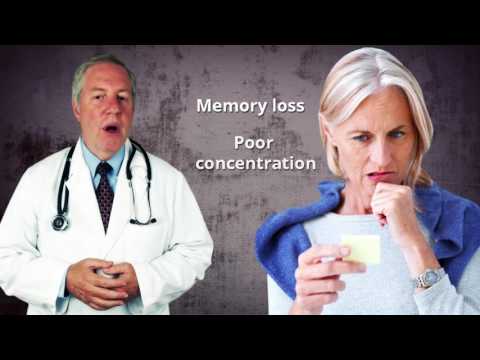
- Memory loss
- Difficulties in concentration
- Changes in sleep patterns
- Unexplained fatigue or confusion
If someone experiences these symptoms regularly, it could be a sign of a brain disorder. But remember, feeling this way occasionally doesn’t mean something serious is wrong.
Causative Factors
The causes of brain disorders are often multifaceted. Genetics play a role; some people inherit conditions that make them vulnerable. Environmental factors also matter—like exposure to toxins or severe stress.
A good analogy here is that just like some plants thrive in certain soils while others struggle, the same goes for brains and their environments.
Caring for Someone with a Brain Disorder
If you’re caring for someone who has a brain disorder, it’s essential to educate yourself about their condition. Understanding what they experience can enhance your empathy and support.
- Encourage open communication about their feelings.
- Create an environment that reduces stress.
- Assist with daily routines if necessary.
- Be patient—progress often takes time.
The Importance of Professional Help
You know? It’s really crucial to seek help from healthcare professionals who understand these disorders deeply. They’re equipped with tools like therapy and medications that may provide relief or stabilization for those affected.
This doesn’t mean you have all the answers at home; team work really makes the dream work! Collaborative care can aid in recovery or management more effectively than going it alone.
Mental Health vs Neurological Conditions
If you’ve heard the terms “mental health” and “neurological,” it’s easy to mix them up. Mental health issues typically involve mood and behavior while neurological conditions focus on physical changes in the brain’s structure—like how Alzheimer’s affects memory physically over time.
This distinction is important because treatment approaches may vary significantly based on what’s causing the symptoms.
A Final Thought on Brain Disorders
The mind’s challenges are not always visible on the outside but deeply felt within. While some might face barriers with cognitive functioning or emotional regulation through no fault of their own—a little understanding can go a long way toward compassionating others’ experiences. Remember that no one should feel alone during difficult times; reaching out for help always matters!
Understanding the Hidden Challenges of the Mind
Mental health is a huge part of our overall well-being, but it’s often overlooked. You know how sometimes, you just can’t shake off that heavy feeling? That’s a good example of what many face daily. Brain disorders can be tricky to understand. They impact not just thoughts but emotions and behavior too.
What are brain disorders?
Brain disorders refer to a range of conditions that affect how the brain works. This includes illnesses like depression, anxiety, schizophrenia, and bipolar disorder. Each of these has unique symptoms and causes.
Symptoms to watch for
- Anxiety that feels overwhelming or constant.
- Mood swings that seem out of control.
- Difficulty concentrating or remembering things.
- Changes in sleep patterns; either sleeping too much or too little.
If you think about it like a car engine—when one part isn’t functioning right, it impacts everything else. Similarly, when the brain is not working well, it can influence emotions and behavior in unexpected ways.
What causes these disorders?
The causes can be quite complex. Genetics plays a role; if someone in your family has had mental health issues, you might be at higher risk. Environmental factors also matter—a stressful life event like losing a job or going through trauma can trigger symptoms.
You might even find that chemical imbalances in the brain contribute to these challenges. Imagine a recipe for a cake going wrong because one ingredient was missing—that’s kind of what happens when neurotransmitters (the chemicals that send messages in your brain) are out of sync!
Caring for someone with a brain disorder
- Listen without judgment; sometimes they just need to vent.
- Encourage them to seek professional help if they haven’t already done so.
- Pursue activities together that promote positivity—like going for walks or engaging in hobbies they enjoy.
Your support is crucial. It’s similar to being there for someone during recovery from an injury—they need time and encouragement while figuring things out their own way.
The road ahead
Lifestyle changes can have an impact too; things like exercise and proper nutrition contribute positively to mental clarity and mood regulation. But remember—it’s not an overnight fix! It might take time before noticeable changes occur, and that’s completely ok!
This journey isn’t always easy but understanding more about the mind’s challenges can foster empathy both for ourselves and others navigating similar pathways. Let’s keep conversation open about mental wellness; it benefits everyone involved!
Unlocking the Mysteries of the Mind: Discover the Six Key Brain Diseases and Their Impact on Health
Understanding Brain Disorders: Symptoms, Causes, and Care
The brain is an incredible organ that controls our thoughts, movements, and emotions. Unfortunately, it can also be affected by various diseases. Let’s take a closer look at six key brain disorders.
1. Alzheimer’s Disease
Alzheimer’s is a type of dementia that affects memory and thinking skills. People with this condition might forget recent events or struggle to recognize loved ones. It’s like trying to find a book in a library where the shelves are constantly being rearranged.
2. Parkinson’s Disease
This disease mainly affects movement. Imagine trying to walk through mud; that’s how some people feel when their muscles become stiff or shaky due to Parkinson’s. Other symptoms may include fatigue and changes in speech.
3. Multiple Sclerosis (MS)
MS is an autoimmune disorder where the immune system mistakenly attacks nerve fibers in the brain and spinal cord. This can lead to issues like numbness or difficulty with coordination—almost like having weak signals in a radio transmission.
4. Stroke
A stroke occurs when blood flow to the brain is blocked or when a blood vessel bursts. The effects can be sudden, causing paralysis on one side of the body or trouble speaking—it’s as if someone abruptly turned off a light switch in your brain.
5. Epilepsy
Epilepsy is characterized by recurrent seizures caused by abnormal electrical activity in the brain. During a seizure, it’s like a computer experiencing a sudden crash—everything gets interrupted for a moment until it resets itself.
6. Depression
This mental health condition deeply affects mood and energy levels. It might feel like walking around with an invisible weight on your shoulders, making simple tasks seem overwhelming.
The Impact on Health
The impact of these disorders often goes beyond just physical symptoms; they can affect relationships and daily activities too! For instance, someone with Alzheimer’s might struggle with conversations, which can cause frustration for both parties involved.
Caring for Someone with These Conditions
Caring for someone with these conditions requires understanding and compassion. It’s important to listen actively and support them emotionally—sometimes it’s about being there without even saying much! Remember that every individual’s experience will be different; what works for one person might not work for another.
- Stay informed: Knowledge about their specific condition can provide insight into what they’re experiencing.
- Create routines: Establishing daily schedules helps reduce confusion and anxiety—structure brings comfort!
- Pursue community resources: Support groups offer connection for both caregivers and individuals dealing with similar challenges.
- Praise small achievements: Recognizing successes encourages motivation! Celebrate every little victory along the way!
A healthy mind is crucial for overall well-being, so understanding these disorders helps create empathy towards those suffering from them.
If you notice any troubling symptoms in yourself or others, reaching out for professional help is vital!
Understanding Brain Disorders: Symptoms, Causes, and Care
Brain disorders encompass a range of conditions that affect how the brain functions. These can impact cognition, emotions, behavior, and even bodily functions. It’s crucial to recognize that symptoms vary widely depending on the specific disorder.
Common symptoms include memory loss, difficulty concentrating, mood swings, and changes in personality. For instance, people with Alzheimer’s may struggle to recall recent events or recognize loved ones. Meanwhile, someone with depression might feel persistently sad or lose interest in activities they once enjoyed.
The causes of brain disorders can be diverse too. Some result from genetic factors—this means they run in families. Others could be triggered by environmental factors like exposure to toxins or head injuries. Stressful life events can also play a role; for example, intense trauma may lead to post-traumatic stress disorder (PTSD).
Care for individuals with brain disorders often requires a multidisciplinary approach. This means involving various health professionals like psychologists, neurologists, and occupational therapists. Medication can help manage symptoms but isn’t always a cure.
Support systems are equally important. Friends and family play a vital role in providing emotional support and understanding the challenges faced by someone dealing with these issues.
A deeper understanding of these disorders fosters empathy and promotes better care options for those affected. It’s essential to continue learning about the complexities involved in brain health and advocate for those struggling with these conditions.