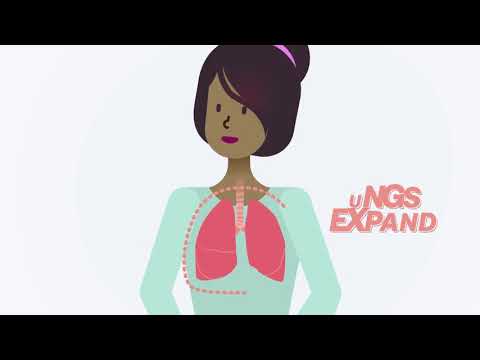
Bronchiectasis is a condition that many people might not know about, yet it can significantly affect quality of life. Imagine the airways in your lungs as a series of tubes meant to transport air smoothly. In bronchiectasis, these tubes become damaged and enlarged, leading to mucus buildup and frequent infections. Understanding this condition is crucial for those who experience chronic cough, shortness of breath, or recurrent respiratory infections.
Curiosity about our health often leads us to explore new topics. Learning about bronchiectasis opens the door to understanding its symptoms, causes, and how best to manage it. People with this condition may feel frustrated or overwhelmed, but there are steps they can take toward better lung health.
However, be cautious! Information is everywhere today—some good and some misleading. It’s essential to gather insights from multiple reliable sources and consult various specialists when seeking advice on bronchiectasis or any medical issue. Engaging with healthcare professionals helps ensure you are receiving accurate information tailored to your needs. Your health journey deserves careful consideration and informed choices!
The information provided in this article is intended solely for general informational and educational purposes. It does not constitute medical advice, diagnosis or professional treatment, and should not be considered a substitute for consultation with a qualified doctor or other licensed healthcare professional. Any health-related decisions should be made in consultation with accredited medical professionals.
While efforts have been made to ensure the information is accurate and up to date, no guarantees are given—either express or implied—regarding its accuracy, completeness, currency or suitability. Use of this information is at your own discretion.
It is strongly recommended to consult official sources such as the NHS (National Health Service) or other recognised medical institutions before acting on any information contained on this website or article. Under no circumstances should professional medical advice be ignored or delayed due to content read here.
This content is of a general and informational nature only. It is not intended to replace individualised guidance from a healthcare professional or to establish any doctor-patient relationship. The publication of this information does not imply any professional responsibility, guarantee or obligation on the part of the author or this site.
Uncover the Key Signs Your Lungs Might Be Struggling
Understanding your lungs is crucial for overall health. They play a vital role in breathing and ensuring oxygen reaches your body. When they struggle, it can lead to serious issues like bronchiectasis.
Bronchiectasis is a condition where the airways become damaged and widened. This can make it hard to clear mucus, leading to infections. Knowing the signs of lung distress can help you seek care sooner.
Here are some key signs that your lungs might be struggling:
Understanding these symptoms is crucial. But what causes bronchiectasis? It can result from respiratory infections, genetics, or conditions like cystic fibrosis.
If you’re experiencing any of these signs consistently, consider talking with someone who knows about lung health. Remember that early detection often leads to better management and care options.
It’s important not to jump to conclusions based on symptoms alone. Many conditions could cause them. Take time to learn about your body and how it works.
Being informed empowers better decisions about your health journey. Stay curious and proactive in caring for those incredible lungs!
Unraveling the Underlying Factors Behind This Respiratory Condition
Understanding bronchiectasis can feel overwhelming. It’s a respiratory condition where the airways become damaged and widened, leading to chronic coughing and mucus buildup. Let’s explore the underlying factors that contribute to this condition.
First, it’s important to know what causes bronchiectasis. Infections play a significant role. Repeated lung infections such as pneumonia or tuberculosis can lead to lasting damage. Think of it like a repeated strain on a rubber band; eventually, it loses its shape.
Another key factor is genetic conditions. Cystic fibrosis is one such example. This inherited disorder causes thick mucus production, which clogs the airways and sets the stage for bronchiectasis.
Immune system issues can also contribute. If your immune system isn’t functioning well, your body may struggle to fight off infections efficiently. This creates a cycle of damage that worsens the condition.
Environmental factors cannot be ignored either. Regular exposure to toxins like smoke or pollution can irritate the lungs over time. Imagine breathing in grime; it adds up and harms your airways.
Additionally, underlying diseases like rheumatoid arthritis or certain lung diseases may predispose someone to develop bronchiectasis as well. These conditions create environments conducive for airway damage.
Recognizing symptoms early is crucial too. Common signs include chronic cough, wheezing, and frequent respiratory infections. If these sound familiar, consider seeking further guidance from healthcare professionals.
Care involves comprehensive management strategies tailored for each individual based on their specific circumstances.
In summary, understanding bronchiectasis requires looking at multiple factors—infection history, genetics, environmental influences, and existing health issues all play roles in developing this condition. Knowledge is power when it comes to managing health effectively!
Discovering Effective Holistic Approaches to Ease Breathing and Improve Lung Health
Breathing is essential for our health. It supplies oxygen to our bodies and helps eliminate carbon dioxide. For people with lung conditions like bronchiectasis, breathing can become a challenge. Understanding how to support lung health holistically can be beneficial.
What is Bronchiectasis?
Bronchiectasis is a condition where the airways in the lungs become damaged and widened. This damage makes it hard for the body to clear mucus, leading to frequent infections and breathing difficulties.
Symptoms
Common symptoms include:
Recognizing these symptoms early may help in managing the condition effectively.
Causes of Bronchiectasis
Several factors contribute to bronchiectasis:
It’s crucial to understand what might be causing your symptoms to better tailor your approach to care.
Easing Breathing Holistically
There are several holistic approaches that could help improve lung health:
1. **Breathing Exercises**: Simple techniques like diaphragmatic breathing can strengthen your lungs. It’s similar to exercising any muscle in your body; practice can lead to improvement.
2. **Hydration**: Staying well-hydrated helps keep mucus thin and easier to expel. Think of it like oiling a squeaky door; moisture can ease movement.
3. **Healthy Diet**: Foods rich in antioxidants—like fruits and vegetables—can support lung function, reducing inflammation and promoting overall well-being.
4. **Physical Activity**: Regular gentle exercise can improve lung capacity over time, similar to how lifting weights strengthens muscles.
5. **Mindfulness Practices**: Techniques such as yoga or meditation may reduce stress, making it easier for some individuals to breathe comfortably.
Caring for Your Lungs Daily
Incorporating these approaches into daily life may create a more supportive environment for your lungs. Remember that while these strategies may help ease symptoms, they do not replace medical advice or treatment plans provided by healthcare professionals.
Avoiding Myths
It’s important not to fall prey to myths about “quick fixes.” There are no miracle cures for bronchiectasis or any lung condition that guarantee instant relief or complete healing.
Instead, think of managing airway health like nurturing a plant; consistent care leads toward better growth over time, rather than expecting instant blooms overnight.
By understanding bronchiectasis and integrating holistic practices into your routine, you might discover improved comfort while breathing and better overall health! Always consult with healthcare providers when making changes related to chronic conditions for tailored guidance on what’s best for you.
Understanding bronchiectasis is crucial for both patients and their caregivers. This condition involves the abnormal widening of the airways in the lungs, leading to chronic inflammation and infection. It’s like having a garden hose that’s ballooned in certain areas; instead of flowing smoothly, it traps water and dirt, making it difficult to keep clean.
Symptoms of bronchiectasis often include a persistent cough, which may produce large amounts of mucus. Patients may also experience shortness of breath, wheezing, and recurrent respiratory infections. These symptoms can significantly impact daily life, making early recognition vital.
Causes can vary widely. Some people develop bronchiectasis due to previous lung infections like pneumonia or tuberculosis. Others might have genetic conditions like cystic fibrosis or immune system deficiencies that make them more susceptible to lung damage.
Care for bronchiectasis typically involves managing symptoms and preventing complications. Regular airway clearance techniques help remove mucus from the lungs, much like clearing out a blocked pipe to allow for better flow. Medications such as antibiotics are often used to treat infections when they arise.
Education plays an important role in care as well. Patients should understand when to seek help and how lifestyle changes—like quitting smoking or getting vaccinated—can improve their quality of life.
Ultimately, recognizing the signs and taking proactive steps can lead to better management of bronchiectasis, helping those affected live healthier lives with fewer disruptions from this condition.