The information provided in this article is intended solely for general informational and educational purposes. It does not constitute medical advice, diagnosis or professional treatment, and should not be considered a substitute for consultation with a qualified doctor or other licensed healthcare professional. Any health-related decisions should be made in consultation with accredited medical professionals.
While efforts have been made to ensure the information is accurate and up to date, no guarantees are given—either express or implied—regarding its accuracy, completeness, currency or suitability. Use of this information is at your own discretion.
It is strongly recommended to consult official sources such as the NHS (National Health Service) or other recognised medical institutions before acting on any information contained on this website or article. Under no circumstances should professional medical advice be ignored or delayed due to content read here.
This content is of a general and informational nature only. It is not intended to replace individualised guidance from a healthcare professional or to establish any doctor-patient relationship. The publication of this information does not imply any professional responsibility, guarantee or obligation on the part of the author or this site.
Have you ever felt a deep ache in your chest, accompanied by a relentless cough? It could be more than just a nasty cold. You know, something like bronconeumonía might be at play. This condition can seem daunting, but understanding it is your first step to feeling better.
Bronconeumonía is a type of pneumonia that affects the lungs and bronchial tubes. It often surfaces when an infection spreads, making breathing difficult and uncomfortable. The symptoms can feel overwhelming, but knowing them can help you seek the right care.
This article will break down the causes of bronconeumonía, its symptoms, and how healthcare professionals diagnose it. By clarifying these aspects, we aim to empower you to recognize potential signs early on.
Remember though: this content is here to inform you but doesn’t replace professional medical advice. Health decisions are complex and personal. Always consult a healthcare provider for guidance tailored to your situation.
Unraveling the Factors Behind This Common Lung Infection
Understanding Bronconeumonía: Causes, Symptoms, and Diagnosis
Bronconeumonía, or bronchopneumonia, is a common type of lung infection. It can affect anyone but is more frequent in young children and the elderly. This infection occurs when the airways become inflamed and filled with mucus or pus. So, what leads to this condition?
Causes
The main culprits behind bronconeumonía are bacteria and viruses. Streptococcus pneumoniae is one of the most common bacteria involved. Viruses like influenza can also trigger it, especially during cold seasons.
Additionally, factors like smoking or having a weakened immune system can increase the risk of getting infected. Just think of your lungs as a shield; any damage lowers its defense against invaders.
Symptoms
The symptoms of bronconeumonía can vary from mild to severe. People often experience coughs that might produce phlegm or even blood in some cases—yikes! Fever and chills are also common.
You might feel shortness of breath too, which isn’t fun at all. It’s like trying to breathe through a straw while running a race!
Diagnosis
Diagnosing bronconeumonía involves several steps. A healthcare provider will usually start by listening to your lungs with a stethoscope to check for unusual sounds.
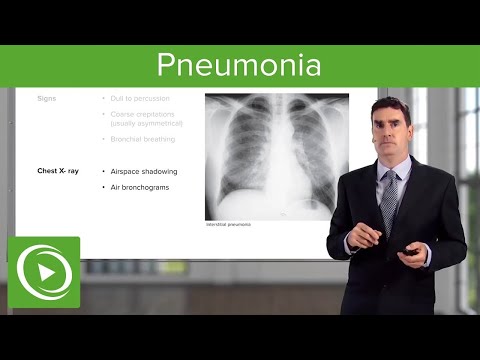
If they suspect an infection, they may order a chest X-ray. This imaging test helps visualize the lungs and confirm if there’s fluid buildup or inflammation.
- Bacterial culture tests may also be done to identify specific germs.
- Blood tests can help determine how well your immune system is coping with the infection.
Treatment Options
Treatment typically includes antibiotics if bacteria are involved. Resting at home and staying hydrated are crucial parts of recovery as well.
Pain relievers can ease discomfort too—like when you have muscle aches after exercising—but here’s where caution comes in: always consult someone knowledgeable before taking any medication!
Final Thoughts
If you notice symptoms related to bronconeumonía, it’s best not to ignore them. Early intervention often leads to better recovery outcomes.
Understanding and Managing a Common Childhood Illness
Understanding Bronconeumonía: Causes, Symptoms, and Diagnosis
Bronconeumonía, or bronchopneumonia in English, is a common lung infection primarily affecting children. It’s an inflammation that affects the bronchi, which are the main air passages of the lungs. Kids, especially toddlers and infants, often catch it more easily than adults because their immune systems are still developing.
What causes Bronconeumonía?
This illness can happen for several reasons. The most frequent cause is a viral infection—like the flu or respiratory syncytial virus (RSV). Sometimes bacteria can also be to blame; think of it like an unwelcome guest that makes things worse. Exposure to smoke or pollution can increase the risk too.
What are the symptoms?
You might notice your child coughing more than usual. Often this cough is wet-sounding because there’s mucus involved. They’ll likely have trouble breathing deeply, which can make them feel tired and irritable. Other signs include a fever and chest pain when they cough or breathe.
- Coughing
- Fever
- Trouble breathing
- Chest pain
- Irritability or tiredness
If your child is showing these symptoms, it’s important to pay attention because they can become serious if not treated correctly.
How is it diagnosed?
A healthcare professional will usually start by talking to you about your child’s symptoms and medical history. They might listen to their lungs with a stethoscope—which sounds pretty straightforward but gives lots of valuable information!
In some cases, imaging tests such as an X-ray may be used to get a better look inside the lungs. This helps in understanding how much of the lung is affected.
Managing Bronconeumonía at home
If bronconeumonía is diagnosed, sometimes children can be treated at home with rest and by ensuring they drink plenty of fluids. However, depending on how severe it is, medication may also be necessary—this could include anything from over-the-counter fever reducers to antibiotics if bacteria are involved.
The thing is: always keep an eye on your child’s condition while they’re recovering! If you see any worsening symptoms such as high fever that won’t come down or struggles with breathing that don’t improve, don’t hesitate to reach out for help.
A final thought
Taking care of kids when they’re sick isn’t easy; emotions run high for both parents and children alike. If you suspect something’s off with your little one’s health related to bronconeumonía—or any illness really—getting them evaluated sooner rather than later can help in managing their health effectively.
Understanding the Risks of Bronchial Pneumonia: Who’s at Risk and How It Spreads
Understanding the Risks of Bronchial Pneumonia
Bronchial pneumonia, often just called pneumonia, is an infection that inflames the air sacs in one or both lungs. It can be caused by various germs like bacteria, viruses, or fungi. But who’s really at risk, and how does it spread? Let’s break it down.
Who’s at Risk?
Anyone can get bronchial pneumonia, but some groups are more vulnerable. Elderly people, young children, and those with weakened immune systems face higher risks. It’s like a game of tag—if your defenses are down, you’re more likely to get caught.
Chronic conditions such as asthma or diabetes also put people at a greater risk for pneumonia. This is because their lungs or immune systems are already working overtime and can’t fight off infections as effectively.
How Does It Spread?
The transmission of bronchial pneumonia often happens through tiny droplets when someone coughs or sneezes. You know how you might feel a little spray when someone talks too close to you? That’s the germs spreading. If they land in another person’s mouth or nose—or even if they breathe them in—they could catch the infection.
Close contact with an infected person increases the chances of getting it too. Think about crowded places like schools or public transport where germs thrive; it makes sense that these settings are breeding grounds for illness.
Signs and Symptoms
If someone has bronchial pneumonia, they may experience coughs that produce phlegm (that thick mucus), fever, chills, and difficulty breathing—kind of like feeling winded after running up a flight of stairs!
Sometimes it can sneak up on you; mild flu-like symptoms may turn into something serious quickly. Always pay attention to how you’re feeling; if symptoms worsen significantly or don’t improve after a few days, reaching out for help is key.
Taking Precautions
The thing is prevention plays a huge role in keeping yourself safe from bronchial pneumonia. Regularly washing your hands and avoiding close contact with sick individuals helps to minimize risk.
- Avoid smoking; it damages lungs over time and makes fight infections harder.
- Stay up-to-date on vaccinations like the flu vaccine and pneumococcal vaccine since these target bacteria affecting lung health.
- Energize your immune system by getting enough sleep and eating nutritious foods—it’s your body’s best friend!
A Final Thought
Pneumonia may sound scary but understanding its risks helps demystify it. Be aware of who might be impacted more seriously and take steps to protect yourself; simple daily habits can make a difference! Remember: if anything feels off with your health, it’s wise to consult a professional about it.
Understanding Bronconeumonía: Causes, Symptoms, and Diagnosis
Bronconeumonía, or bronchopneumonia, is a type of lung infection that involves the bronchi and surrounding alveoli. It can develop as a complication of other respiratory infections. Often, it’s seen in young children and older adults. The causes can vary widely.
- Bacteria: Common culprits include Streptococcus pneumoniae and Haemophilus influenzae.
- Viruses: Influenza and respiratory syncytial virus (RSV) are frequent offenders.
- Fungi: In some cases, especially in immunocompromised individuals.
The symptoms of bronconeumonía can be quite pronounced but may initially resemble those of a cold. A persistent cough is often present—sometimes with mucus or pus. Patients may also experience fever, chills, and chest pain when breathing or coughing.
The diagnosis typically involves a physical exam where the doctor listens to the lungs for abnormal sounds like wheezing or crackles. Chest X-rays are often used to confirm the condition by showing areas of infection. In some cases, sputum tests can help identify the specific bacteria causing the illness.
Treating bronconeumonía usually entails antibiotics if bacteria are involved; otherwise, supportive care is key. It’s important to seek medical attention if symptoms worsen or don’t improve within a few days.
Understanding this condition helps demystify it for patients and their families. Education about prevention through vaccinations can also play an important role in reducing incidence rates overall.