The information provided in this article is intended solely for general informational and educational purposes. It does not constitute medical advice, diagnosis or professional treatment, and should not be considered a substitute for consultation with a qualified doctor or other licensed healthcare professional. Any health-related decisions should be made in consultation with accredited medical professionals.
While efforts have been made to ensure the information is accurate and up to date, no guarantees are given—either express or implied—regarding its accuracy, completeness, currency or suitability. Use of this information is at your own discretion.
It is strongly recommended to consult official sources such as the NHS (National Health Service) or other recognised medical institutions before acting on any information contained on this website or article. Under no circumstances should professional medical advice be ignored or delayed due to content read here.
This content is of a general and informational nature only. It is not intended to replace individualised guidance from a healthcare professional or to establish any doctor-patient relationship. The publication of this information does not imply any professional responsibility, guarantee or obligation on the part of the author or this site.
Have you ever experienced a sudden pain in your joints that just won’t go away? Maybe you’ve felt a dull ache when you move your arm or leg, and it gets worse with time. This could be bursitis, a condition that affects many people but is often misunderstood.
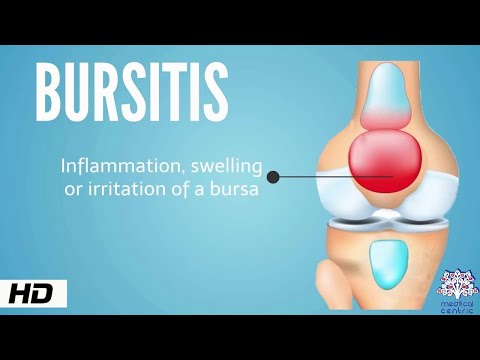
Bursitis occurs when small fluid-filled sacs called bursae become inflamed. These sacs act like cushions between bones and tissues, helping to reduce friction. When they become irritated, it can lead to persistent pain that can really affect your day-to-day life.
This article aims to break down the symptoms of bursitis, along with some effective care and treatment options. We’ll look at how you can recognize this condition and explore practical steps to help manage it. Understanding what you’re dealing with is the first step toward relief.
Remember, though, that this information doesn’t replace professional medical advice. Always consult your healthcare provider before making any health decisions or starting new treatments.
A Personal Journey to Pain-Free Living
Understanding Bursitis
Bursitis is a condition that comes from inflammation of the bursa. So, what’s a bursa? It’s like a small, jelly-like cushion that helps reduce friction between your bones and soft tissues, like muscles or tendons. Imagine it as a little pillow that protects your joints.
Common Symptoms
You might be wondering what bursitis feels like. Well, pain is usually the first sign. It can be sharp or achy and often flares up when you move the affected joint. Swelling and tenderness around the joint are also pretty common. You might notice stiffness, especially if you’ve been sitting for long periods.
Causes of Bursitis
There are several reasons someone might develop bursitis. Overuse is one big factor – think about people who do repetitive tasks in their jobs or hobbies, like painting or playing sports. Injuries can also trigger bursitis; maybe you bumped your elbow during a game.
Caring for Bursitis
If you suspect bursitis, taking care of yourself is key. Rest is super important! Give that joint some time off from activities that cause pain. Applying ice can help reduce swelling too; just wrap some ice in a towel to protect your skin.
- Elevation: Keeping the affected area elevated can help reduce swelling.
- Ace Bandages: Using compression wraps may provide support and limit movement to aid healing.
- Pain Management: Over-the-counter pain relievers like ibuprofen could ease discomfort (just check with someone who knows before taking any medications).
Treatment Options
If home care doesn’t help after a while, it might be time to look into other options. A healthcare professional could recommend physical therapy to strengthen surrounding muscles and improve range of motion.
Steroid injections are another option sometimes used for more persistent cases; they help reduce inflammation directly in the joint space but should definitely be approached with caution.
When to Seek Help
You know your body best! If symptoms persist beyond what seems normal or worsen over time despite home care measures, seeking professional advice would be wise—especially if there’s severe pain or fever involved.
The Road to Pain-Free Living
Pain-free living isn’t just about avoiding discomfort; it’s about embracing activities you enjoy without fear of hurting yourself again. Educating yourself on conditions like bursitis is an important step in that journey!
- Listen To Your Body: Understanding your limits can prevent future flare-ups.
- Create Balance: Mix different kinds of movement into your daily routine for overall conditioning instead of focusing on one particular activity solely.
This path may include making lifestyle adjustments—like incorporating gentle exercises or stretching into daily habits—but always remember: gradual progress matters more than rushing through recovery!
Understanding the Signs and Discomforts of Hip Bursitis in Women
Understanding Hip Bursitis in Women
Hip bursitis is an inflammation of the bursa, a small fluid-filled sac that cushions your joints. In women, this condition can sometimes be a pesky disruptor in daily life. Let’s break down what you might feel and how to approach it.
Common Signs of Hip Bursitis
You might first notice pain on the outer part of your hip. This discomfort can be sharp or dull and often gets worse with activities like walking, climbing stairs, or even lying on the affected side at night. Pretty annoying, right?
Sometimes, there’s swelling or a sense of warmth around the hip area. You know, that feeling when you’ve bumped something? That’s similar to what some experience when bursitis flares up.
Who Is Most Affected?
While anyone can get hip bursitis, women are more likely to face this issue—often due to factors like anatomy or hormonal changes over time. If you’re into activities that put stress on your hips—like running or cycling—you might be more prone to this condition.
Understanding Discomfort
The discomfort from hip bursitis can radiate down the thigh or impact your daily routine. It might feel worse when standing still for a long time or even while getting up from sitting.
If you think about it, our hips work hard supporting our bodies every day! So any irritation can really throw things off balance.
Caring for Your Hips
- Rest: Allowing some downtime from aggravating activities is essential.
- Icing: Applying ice packs for 15-20 minutes can help reduce swelling and numb pain.
- Pain relievers:If you take over-the-counter medications like ibuprofen or acetaminophen, these may provide some relief—but always check with someone knowledgeable first!
- Stretching and strengthening: Gentle stretching exercises or physical therapy could also aid in recovery, focusing on building strength around your hips.
Treatment Options
If home care isn’t enough after a couple weeks—or if symptoms worsen—it’s good to talk with someone who knows about health issues like this. They might suggest physical therapy as mentioned or possibly injections if needed for more severe cases.
Misinformation Alerts
A common myth is that surgery is always necessary for bursitis; that’s simply not true. Most cases improve through conservative care. Always consider reliable sources before jumping to conclusions about treatment options!
The Bottom Line
If you’re experiencing persistent discomfort around your hip area, it may be worth paying attention to those signals from your body. Bursitis isn’t uncommon and understanding its signs could lead you toward helpful strategies in managing it successfully.
Discover the Top Remedies to Alleviate Your Bursitis Discomfort
Understanding Bursitis
Bursitis is inflammation of the bursa, which are small, fluid-filled sacs that cushion your joints. Think of them as tiny pillows that reduce friction between bones and soft tissues. When these pillows get irritated or inflamed, it can be really uncomfortable.
Common symptoms include swelling, pain during movement, and stiffness in the affected joint. The most frequent areas affected are the shoulders, elbows, hips, and knees. If you’ve ever felt a sharp pain when lifting your arm or bending your knee, you might be experiencing bursitis.
What Causes Bursitis?
A few things can lead to bursitis. Repetitive motions—like throwing a ball or gardening—can wear on those little pillows over time. Other causes may include injury or infection. It might also come with age; as we get older, our bodies don’t recover like they used too.
Managing Bursitis Discomfort
If you’re dealing with bursitis discomfort, there are some remedies that might help ease the pain.
- Rest: Allowing time for the joint to heal is crucial. It’s like giving your body a break after a workout.
- Icing: Applying ice packs for 15-20 minutes several times a day can help reduce swelling and numb sharp pains.
- Compression: Wrapping the area with an elastic bandage might give support and limit swelling.
- Elevate: Keeping the affected joint raised above heart level can assist in reducing swelling too.
- Over-the-Counter Pain Relievers: Nonsteroidal anti-inflammatory drugs (NSAIDs) like ibuprofen can help alleviate pain and toothache-like sensations when taken as directed.
Lifestyle Changes
You know what? Sometimes simply changing how you do things helps prevent future flare-ups. Ensuring proper technique while exercising or lifting objects can limit stress on joints.
Physical Therapy Options
A physical therapist can teach you exercises specifically aimed at strengthening muscles around the affected joint. Stronger muscles mean better support! They might also use ultrasound therapy to promote healing; it’s like having gentle sound waves working under your skin!
Gradual Return to Activity
If rest has helped improve symptoms—great! Start moving slowly again while listening to your body. If something hurts more than usual, it’s best to back off for a bit longer before pushing through it again.
Treatment Options Beyond Home Remedies
If home remedies aren’t doing enough over time—or if there’s persistent swelling—you may want to consult someone who knows their stuff about joints!
- Corticosteroid Injections: These injections help quickly reduce inflammation but should be monitored closely because of potential side effects over time.
- Surgery: In rare cases where nothing else works out nicely, surgery might remove part of the bursa for relief—which sounds intense but is usually last resort!
Your Next Steps
If you’re facing ongoing pain from bursitis that’s affecting daily life activities—even after trying some of these methods—it really is wise to seek proper advice tailored just for you! Remember though: every person’s experience varies quite a bit depending on individual health factors and lifestyle choices!
Understanding bursitis is pretty important because it can affect how we move and live our daily lives. Bursitis involves inflammation of the bursa, which are small fluid-filled sacs that cushion bones, tendons, and muscles near joints. Think of them like tiny pillows that help reduce friction. When these pillows get irritated, they can cause pain and swelling.
The symptoms often include localized pain around the affected joint, swelling, tenderness, and limited mobility. For instance, if you have shoulder bursitis, you may find it painful to lift your arm. It’s really a nuisance more than anything else!
So what can we do about it? Treatment typically starts with rest and ice application to reduce inflammation. Over-the-counter pain relievers like ibuprofen or naproxen can help too. Sometimes physical therapy is recommended to strengthen the muscles around the joint and improve flexibility.
If conservative measures don’t work, doctors might suggest corticosteroid injections directly into the bursa for more significant relief. In rare cases where bursitis persists despite these efforts, surgery could be an option to remove the bursa altogether.
It’s essential to listen to your body when dealing with bursitis. Engaging in gentle activities rather than pushing through pain can make a huge difference in recovery time. Bursitis reminds us that sometimes our bodies need a little extra care! Keeping active but avoiding repetitive motions that strain your joints is key.