The information provided in this article is intended solely for general informational and educational purposes. It does not constitute medical advice, diagnosis or professional treatment, and should not be considered a substitute for consultation with a qualified doctor or other licensed healthcare professional. Any health-related decisions should be made in consultation with accredited medical professionals.
While efforts have been made to ensure the information is accurate and up to date, no guarantees are given—either express or implied—regarding its accuracy, completeness, currency or suitability. Use of this information is at your own discretion.
It is strongly recommended to consult official sources such as the NHS (National Health Service) or other recognised medical institutions before acting on any information contained on this website or article. Under no circumstances should professional medical advice be ignored or delayed due to content read here.
This content is of a general and informational nature only. It is not intended to replace individualised guidance from a healthcare professional or to establish any doctor-patient relationship. The publication of this information does not imply any professional responsibility, guarantee or obligation on the part of the author or this site.
Ever felt that annoying cramp in your stomach or legs, and wondered if there was something more natural than a pill to ease the discomfort? You’re not alone. Many people seek relief from cramps—whether they’re related to menstrual cycles, muscle spasms, or even digestive issues. The good news is there’s a little-known herb that might help: cramp bark.
This plant has been used for centuries in traditional medicine. It’s known for its ability to relax muscles and alleviate pain. But, like with any remedy, it’s important to know what you’re getting into before trying it out.
In this article, we’ll dive into the uses, potential benefits, and risks associated with cramp bark. You’ll learn how it works and who might benefit from it most. It also matters because understanding herbal remedies can empower you in your health journey.
However, keep in mind that this content doesn’t replace proper medical advice. Always consult with a healthcare professional before making changes to your routine or trying new treatments!
Discover the natural relief you’ve been seeking for painful periods
Understanding Cramp Bark
Cramp bark is a plant that has been used for centuries as a natural remedy, especially for menstrual discomfort. It comes from the bark of the Viburnum opulus tree. You know, people often turn to nature when looking for alternatives to conventional pain relief.
What is Cramp Bark Used For?
The main reason folks use cramp bark is because they believe it helps relieve cramps and spasms. So, if you’ve ever felt those tight sensations in your tummy during your period, cramp bark might sound appealing. It’s sometimes thought to ease muscle tension and reduce pain.
How Does It Work?
There are some compounds in cramp bark that may help relax muscles and promote better blood flow. Think of it like a gentle massage for your insides; loosening tight areas can sometimes lead to relief.
A Few Risks to Consider
While many people enjoy using natural remedies, it’s important to be cautious. Cramp bark can interact with certain medications or have side effects for some individuals. Like with any remedy, what works well for one person might not work for another.
Health Benefits Beyond Period Pain
Cramps aren’t all cramp bark might help with. Some also use it for headaches or other types of muscle pain, hoping it brings them comfort across various situations. It’s pretty interesting how one plant can have multiple uses!
The Importance of Doing Your Research
If you’re thinking about trying cramp bark, it’s worth reading up on it and considering consulting someone who knows their stuff about herbs and health. Just because something is natural doesn’t mean it’s automatically harmless.
A Real-life Example
Imagine a friend who tries cramp bark tea during their period; they may share how much better they feel afterwards—or they could mention not noticing any difference at all! That’s the thing about natural remedies: experiences vary widely.
Your Approach Matters
Your mindset matters too! Staying open-minded and patient lets you find what really works best or maybe doesn’t work at all—it’s all part of the journey to finding relief.
- Always consider ingredients in herbal products–no hidden surprises!
- Keep track of how you feel after trying something new–it’s useful info!
- If you experience strong side effects, stop using immediately!
The bottom line? Cramp bark holds potential for some people dealing with menstrual discomfort but knowing risks and keeping informed will help you navigate this option wisely.
Unlocking the Soothing Power of Nature’s Remedy
Understanding Cramp Bark
Cramp bark, or Viburnum opulus, is a plant that’s often surrounded by curiosity. It’s named for its traditional use to help with cramps—particularly menstrual cramps. You might be wondering, how does it work? Well, cramp bark is thought to have muscle-relaxing properties.
What Are the Uses?
Historically, people used cramp bark for various conditions related to muscle spasms. Apart from menstrual cramps, it’s sometimes used for stomach cramps and even back pain. Some herbalists believe that it helps soothe the muscles by relaxing them, making them less likely to spasm.
What About Risks?
Like many herbal remedies, cramp bark isn’t without its risks. Some folks might experience stomach upset or allergic reactions. And hey, if you’re pregnant or nursing, you should be extra cautious and consult with someone who knows about herbs.
The Health Benefits
The potential health benefits of cramp bark are intriguing but need more research. Many people report feeling relief during their periods when they use it. It’s a popular choice in natural remedies for those seeking alternatives to over-the-counter medications.
User Experiences
You know how everyone has their own stories? Some swear by cramp bark; others say they didn’t notice any difference at all! This variability shows that what works great for one person might not work as well for another.
How To Use Cramp Bark
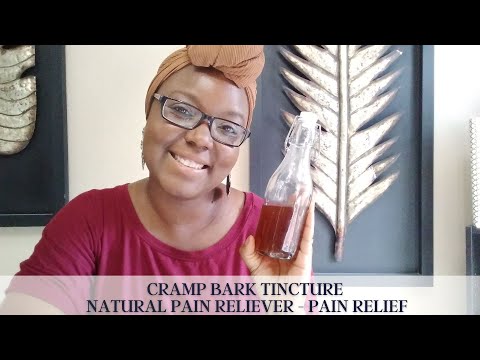
You can find cramp bark in various forms: capsules, teas, or tinctures (which are liquid extracts). Always read instructions carefully! If you’re trying it out for the first time, consider starting with a lower dose.
Misinformation Alert!
A common myth is that herbal remedies are completely safe just because they’re natural. It’s important to remember that “natural” doesn’t always mean risk-free. Keeping informed and being cautious goes a long way in your health journey.
Your Thoughts Matter
If you’re considering trying cramp bark or any other herbal remedy, it’s okay to ask questions! Whether it’s chatting with friends or reaching out to knowledgeable sources—don’t hesitate to gather information before making decisions about your health.
If there’s one takeaway here: understanding your body and recognizing how different substances affect you personally is key. After all, each person’s system is unique!
Unveiling the Synergy and Effects of Cramp Bark in Herbal Remedies
What is Cramp Bark?
Cramp bark, or Viburnum opulus, is a shrub native to North America and Europe. It’s mainly used in herbal remedies for its muscle-relaxing properties. The bark has a long history of traditional use, especially among women for menstrual pain.
How Does it Work?
The thing about cramp bark is that it contains compounds called viburnin and other flavonoids. These are thought to help ease muscle contractions and promote relaxation. Think of it like a gentle hand soothing tight muscles.
Uses of Cramp Bark
Crampt often people use cramp bark for menstrual cramps, but it might also help with muscle spasms and general discomfort. Some herbalists recommend it for anxiety related to these discomforts, as its calming effects may offer some relief.
Examples of Use
- For menstrual cramps: Some women brew cramp bark tea during their periods.
- For muscle tension: Athletes sometimes take cramp bark supplements after workouts to relieve tightness.
Potential Benefits
The benefits often cited include reduced muscle spasms and alleviated discomfort associated with menstrual cycles. Just remember, while many people report positive experiences, scientific research on these claims varies widely.
Might There be Risks?
Like any herbal remedy, cramp bark isn’t without risks. Some people might experience allergic reactions or digestive issues when using it. It’s important to start with small amounts to see how your body reacts.
If You’re Considering It
If you’re thinking about trying cramp bark, the best step is to chat with someone who understands herbs—like a herbalist or even a well-informed friend. They can give you insights into proper dosing and potential interactions with other medications you might be taking.
A Note on Interactions
- Certain medications might interact negatively with herbal remedies like cramp bark; always double-check!
- If you’re pregnant or breastfeeding, caution is advised as detailed research on safety in those situations isn’t conclusive yet.
The Final Thought
The bottom line? Cramp bark may offer benefits for some conditions related to muscle relaxation and discomfort management. Just remember that every body reacts differently—what works wonders for one person may not have the same effect on another!
Understanding Cramp Bark: Uses, Risks, and Health Benefits
Cramp bark, scientifically known as Viburnum opulus, has been used for centuries to alleviate muscle cramps and spasms. People often turn to it for conditions like menstrual pain or muscle tightness. Imagine a natural remedy that’s like a warm blanket on a cold day—soothing and comforting.
The main component of cramp bark is its ability to help relax muscles. It contains compounds that can ease tension. Think of how a gentle massage works; cramp bark aims to provide similar relief from discomfort.
However, it’s important to note that while it can be beneficial, it’s not without risks. Some people may experience allergic reactions or stomach upset when using cramp bark. It’s always wise to exercise caution, especially if you’re pregnant or nursing.
The health benefits extend beyond cramps too. Some studies suggest it could help with anxiety and reduce stress levels. But here’s the thing—more research is needed before we can fully endorse those claims.
If you’re considering trying cramp bark, consult a healthcare professional first. This ensures you’re making informed choices about your health. Remember, what works wonders for one person might not be the best fit for someone else.
In essence, cramp bark holds promise as a natural remedy but should be approached with knowledge and care.