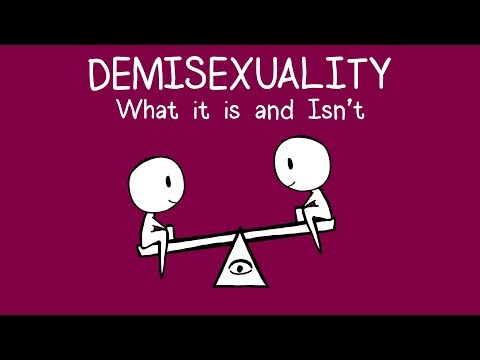
Demisexuality is an intriguing aspect of human sexuality that often sparks curiosity. If you’ve ever found yourself attracted to someone only after forming a strong emotional connection, you may relate to this identity. Demisexuality falls under the broader umbrella of asexuality, where sexual attraction is not determined merely by physical appearance but rather by deep emotional bonds.
This concept isn’t just a label; it’s a way for many people to understand their experiences in relationships. Just like a musician needs to feel the rhythm before playing a song, demisexual individuals often require emotional safety and trust before feeling sexual attraction.
As we dive deeper into understanding demisexuality, we’ll explore its signs, various types, and helpful terminology. This journey can open doors to better self-awareness and healthier relationships.
However, it’s essential to approach this topic thoughtfully. Understanding demisexuality is nuanced, and everyone’s experience is unique. Therefore, please seek out credible resources and consult professionals when exploring your own sexuality or supporting others in their journeys. A broad understanding from different specialists as well as various media will help build an informed perspective on this complex subject.
The information provided in this article is intended solely for general informational and educational purposes. It does not constitute medical advice, diagnosis or professional treatment, and should not be considered a substitute for consultation with a qualified doctor or other licensed healthcare professional. Any health-related decisions should be made in consultation with accredited medical professionals.
While efforts have been made to ensure the information is accurate and up to date, no guarantees are given—either express or implied—regarding its accuracy, completeness, currency or suitability. Use of this information is at your own discretion.
It is strongly recommended to consult official sources such as the NHS (National Health Service) or other recognised medical institutions before acting on any information contained on this website or article. Under no circumstances should professional medical advice be ignored or delayed due to content read here.
This content is of a general and informational nature only. It is not intended to replace individualised guidance from a healthcare professional or to establish any doctor-patient relationship. The publication of this information does not imply any professional responsibility, guarantee or obligation on the part of the author or this site.
Exploring the Spectrum of Attraction Beyond the Norm
Understanding attraction can be complex. It’s not always a straightforward path. One aspect of this complexity is demisexuality, a term that’s gaining more recognition.
Demisexuality refers to individuals who only feel sexual attraction after forming a strong emotional bond with someone. Think of it as needing to build a bridge of trust and intimacy before crossing into the realm of physical attraction.
This isn’t about being picky or waiting for the “perfect” partner. It’s about feeling comfortable and connected enough to engage in sexual activities. For some, that connection is essential; without it, they might not experience desire at all.
Many people confuse demisexuality with low libido or lack of interest in sex. However, demisexual individuals can have healthy sexual appetites; it just takes that extra emotional layer to activate those feelings.
Demisexuality exists on a spectrum, along with other orientations like bisexuality or pansexuality. Here’s how you might see these connections:
Recognizing your own orientation can empower you to communicate your needs within relationships. It helps set boundaries and expectations with partners who may not understand why some people require that emotional link first.
Myths often surround this topic. One common one is that demisexuals are simply shy or inexperienced. While shyness might be a factor for some, it’s not the defining trait of all demisexual individuals.
It’s also worth noting that societal norms often emphasize physical attraction at first sight. This can leave demisexuals feeling out of place or misunderstood in dating situations where immediate physical chemistry is expected.
Understanding these nuances fosters empathy & acceptance around diverse attraction experiences. Everyone’s feelings are valid; recognizing this diversity enriches our conversations about love and connection.
If you’re exploring your own identity within this spectrum, remember it’s okay to take your time. Emotional connections can’t be rushed; they develop naturally over time through shared experiences and trust-building moments.
Ultimately, whether identifying as demisexual or somewhere else on the spectrum, what matters most is finding fulfilling connections that resonate with *you.* Engaging in open dialogues about these topics promotes understanding and creates spaces where everyone feels welcome & respected.
Understanding the Language of Demisexuality and Its Unique Expressions
Demisexuality is a term that falls under the broader umbrella of asexuality. Individuals who identify as demisexual typically experience sexual attraction only after forming a strong emotional connection with someone. This means that for many, attraction isn’t just about physical traits or chemistry.
Understanding this orientation can feel like unlocking a new language. Demisexual individuals might find it hard to relate to typical dating experiences where physical attraction occurs first. Instead, it’s more about deep bonds and meaningful relationships.
Here are some key points about demisexuality:
Many people mistakenly view demisexuality as a lack of desire or as something less valid than other sexual orientations. But it’s important to recognize that everyone’s experience of love and attraction is unique.
You might think of it like building a house. For some, they can see the structure rise quickly based purely on physical appeal — creating an instant attraction. For demisexuals, however, the foundation needs to be solid first; only then does the house take shape.
It’s also worth noting that demisexuality doesn’t exclude feelings of desire completely; it simply means those feelings emerge after establishing an emotional bond.
If you’re learning about this topic, remember that understanding each other’s experiences fosters empathy and connection in our communities.
Being open-minded and discussing different orientations helps everyone feel seen and valued for who they are.
Ultimately, whether you’re exploring your own identity or trying to understand someone else’s perspective, knowledge is powerful. Recognizing the nuances of human sexuality can lead to deeper relationships and conversations grounded in respect and compassion.
Unlocking the Spectrum of Attraction: A Journey into Demisexuality
Understanding demisexuality can feel like unlocking a door to a unique and often misunderstood perspective on attraction. Demisexuality is not just one way of being attracted; it’s part of a wider spectrum of sexual orientations.
At its core, demisexuality describes individuals who only experience sexual attraction after forming a strong emotional connection with someone. Imagine trying to start a car without first putting in the key—many feel that emotional bond is essential for the engine of attraction to start.
Here are some key points about demisexuality:
It’s also important to note that being demisexual doesn’t mean there’s something wrong or abnormal. Just like some people love chocolate while others prefer vanilla, everyone has different preferences when it comes to relationships and attraction.
Some might wonder if they are demisexual. Here are some signs:
As society becomes more open about diverse orientations, it is crucial for everyone to understand the labels we use. Knowing about terms like “demisexual” helps foster empathy and understanding among individuals with differing perspectives.
It’s also good practice to engage in discussions about these topics. This way, we can challenge misconceptions and supporting one another through our unique journeys.
Demisexuality shows us that love and attraction can be complex. Recognizing this complexity allows us all—regardless of our orientation—to connect better with ourselves and others. Embracing diversity in how we experience love enriches our shared human experience.
Understanding demisexuality involves recognizing a nuanced aspect of human sexuality. Demisexuality typically describes someone who feels sexual attraction only after forming a strong emotional connection with another person. This concept highlights the spectrum of sexual orientations, reminding us that attraction can manifest in unique ways for different individuals.
There are various indicators that someone might identify as demisexual. For example, they may find it challenging to feel sexually attracted to someone without a deep emotional bond. They often prioritize emotional intimacy and may find traditional dating scenarios less appealing or fulfilling.
It’s essential to distinguish demisexuality from related terms such as “sexual” and “asexual.” While sexual individuals generally experience attraction more broadly, asexual people might not experience sexual attraction at all. Demisexuals fall somewhere in between, indicating that understanding these categories is crucial for fostering effective communication and respectful relationships.
Discussing demisexuality fosters greater inclusivity. It encourages dialogue about diverse experiences and helps combat stereotypes about sexuality. By acknowledging varied attractions beyond conventional frameworks, we promote empathy and acceptance within our communities.
In conclusion, recognizing terms like demisexuality enriches our understanding of human sexuality’s complexity. It allows us to appreciate the intricate ways people connect and express their feelings, ultimately encouraging respect for individual experiences and identities in all their forms.