The information provided in this article is intended solely for general informational and educational purposes. It does not constitute medical advice, diagnosis or professional treatment, and should not be considered a substitute for consultation with a qualified doctor or other licensed healthcare professional. Any health-related decisions should be made in consultation with accredited medical professionals.
While efforts have been made to ensure the information is accurate and up to date, no guarantees are given—either express or implied—regarding its accuracy, completeness, currency or suitability. Use of this information is at your own discretion.
It is strongly recommended to consult official sources such as the NHS (National Health Service) or other recognised medical institutions before acting on any information contained on this website or article. Under no circumstances should professional medical advice be ignored or delayed due to content read here.
This content is of a general and informational nature only. It is not intended to replace individualised guidance from a healthcare professional or to establish any doctor-patient relationship. The publication of this information does not imply any professional responsibility, guarantee or obligation on the part of the author or this site.
Have you ever heard that having dense breasts can affect your health? It’s true! Many women are surprised to learn that breast density matters. You might be wondering, what does this mean for me?
Dense breast tissue is common, yet it can complicate mammograms. This article is all about understanding what dense breasts are, why they’re important, and how they relate to screening and overall breast health.
You see, knowing your breast density isn’t just a medical trivia fact; it can impact how often you should get screened or what types of tests make sense for you. Sometimes, people think dense breasts only mean the feel or size; but it’s much more than that.
This info aims to empower you with knowledge so that you can have informed discussions with your doctor. Remember, though: this content doesn’t replace medical advice. Always consult with a healthcare professional before making decisions about your health.
Let’s unpack this together! Understanding dense breasts could be one of the best things you do for your health.
Understanding the Signs and What They Mean for Your Health
Understanding Dense Breasts: What You Need to Know
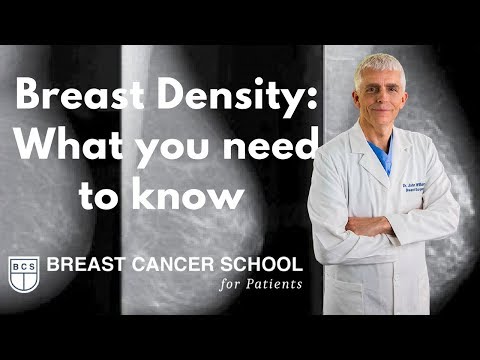
Hey, let’s talk about dense breasts. First off, what does it mean when someone says they have dense breasts? Well, breast density refers to the ratio of glandular tissue to fatty tissue in your breasts. So, when we say “dense,” we mean there’s more glandular tissue compared to fat.
Why is this important? Dense breasts can make it harder for mammograms to detect abnormalities. Think of it like trying to see a small object hidden in a thick bush; the denser the bush, the harder it becomes to spot what you’re looking for.
Signs of Dense Breasts
You might be wondering if you can tell if your breasts are dense just by looking or feeling them. Unfortunately, there aren’t any obvious signs on the outside. The only way to know is through a mammogram. In fact, some women find out they have dense breasts during a routine screening.
- A report from your mammogram may indicate breast density.
- Your doctor might mention density while discussing your screening results.
- Some states require that women be informed about breast density on their mammogram reports.
What Does Breast Density Mean for Your Health?
Now that we know what breast density is, let’s discuss why it matters. Women with dense breasts may have an increased risk of developing breast cancer compared to those with less dense tissue. But hey, that’s just one part of the picture! Other factors like family history and age also play critical roles.
This doesn’t mean having dense breasts guarantees anything bad will happen—it just means you might want a closer look at your overall health and risk factors. Sometimes additional imaging tests are suggested if you have dense breast tissue—this could be an ultrasound or MRI as they can provide clearer pictures in certain cases.
Managing Your Breast Health
If you learn that you have dense breasts, don’t panic! It’s essential to stay proactive about your health instead. Regular screenings and staying aware of what’s normal for you is key—you know your body best!
- Schedule regular mammograms based on your doctor’s recommendations.
- Lose weight if you’re overweight, as that may help reduce risks associated with breast density.
- Talk openly with your healthcare provider about any changes or concerns with your breasts.
The thing is—it’s all about being informed and taking charge of your health journey! Education plays a big role in making decisions aligned with what’s best for you personally.
Myths About Dense Breasts
There are quite a few myths surrounding breast density too! Some people believe that having dense breasts always means cancer is lurking around the corner—that’s not true!
- Dense does not equal dangerous; many women with dense breasts never develop cancer.
- If you’re diagnosed with something concerning, most treatment options exist regardless of density status.
The key takeaway here? Understanding all aspects of our bodies helps us navigate health wisely—don’t shy away from asking questions or seeking clarifications! After all, knowledge empowers us toward better choices!
Understanding Dense Breast Tissue: What It Means for Your Health
Dense breast tissue is a common term you might hear during a mammogram report. But what does it really mean? Let’s break it down.
Breast tissue is made up of glands and ducts that produce milk, along with fatty tissue. When we say someone has dense breasts, we are talking about a higher amount of glandular and connective tissue compared to fatty tissue. Think of it like this: if your breast was a cake, a dense breast would have more “batter” (glandular tissue) and less “frosting” (fat).
Why Does Density Matter?
Dense breast tissue isn’t uncommon—about half of women have it. But why should you care? One key reason is that dense breasts can make it harder for doctors to spot abnormalities like tumors during mammograms. The dense tissue might obscure signs of cancer.
This doesn’t mean having dense breasts automatically puts you at risk for breast cancer. It’s more about how your screening tests might work out. You see, tumors can be harder to detect in denser tissues because both look white on the x-ray while fatty tissues appear darker.
What Should You Do?
If you find out that you have dense breasts, don’t panic! The first thing is to talk to your healthcare provider about what this means for your personal situation. They may suggest additional imaging options like ultrasound or MRI, which could help catch anything that may be missed in a regular mammogram.
Also remember that density can change over time due to factors like age, hormonal changes, or weight fluctuations. So, just because you had dense breasts last year doesn’t mean they will stay the same.
Common Myths About Dense Breasts
- Myth: Dense breasts always indicate an increased risk for cancer.
- Truth: While they can make screenings trickier, having dense breasts alone doesn’t flat-out increase your overall cancer risk.
- Myth: All women with dense breasts need extra tests.
- Truth: Decisions about additional testing should come from discussions with your healthcare provider based on individual risk factors.
The bottom line is understanding your own body and discussing any concerns with healthcare professionals who can guide you based on your individual health history and needs. Awareness is key!
A Final Thought
You know, knowledge about things like this empowers us as patients. Whether it’s understanding mammograms or getting familiar with breast density terminology—staying informed helps us take charge of our health decisions!
Understanding Breast Density and Firmness: What You Need to Know
Understanding Breast Density and Firmness
When it comes to breast health, density and firmness are important concepts but can be a bit confusing. Let’s dig into what these mean and why they matter.
What is Breast Density?
Breast density refers to the amount of glandular tissue compared to fatty tissue in the breasts. Think of it like a sponge. A dense sponge (more glandular tissue) holds less water (fat) than a less dense one which can soak up more. Doctors often classify breast density into four categories, from mostly fatty to extremely dense.
Dense breasts are simply those with more glandular and fibrous tissue relative to fat. This can make mammograms trickier because both tumors and dense tissue appear white on the images, sometimes hiding potential issues.
Why Does It Matter?
Having dense breasts is common—about 40% of women experience this—but it does come with some implications for screening. Higher breast density has been linked to an increased risk of developing breast cancer as well as making detection more difficult during routine screenings like mammograms.
What About Firmness?
Firmness mainly relates to how “tight” or “soft” your breasts feel. This can change with hormonal shifts, age, and lifestyle factors such as weight changes or physical activity levels. Breasts may naturally feel firmer when you’re younger due to higher levels of estrogen, which promotes glandular growth.
If you notice tenderness or changes in firmness, it’s okay—this happens often due to hormonal fluctuations during your menstrual cycle or other factors like stress.
How Do You Know Your Density?
Your doctor typically informs you about your breast density after a mammogram. It’s good to ask questions if you’re unsure about your results! Knowing your breast density can help guide how often you should get screened and what types of screenings might be most effective for you.
Misinformation Surrounding Dense Breasts
A common myth is that having extremely dense breasts always means you’ll develop cancer—this isn’t true. While there’s an increased risk associated with high-density tissues, many women with dense breasts do not face any serious issues. Regular check-ups and proactive conversations about family history are key!
The Importance of Communication
If you’re feeling confused or worried about your breast health, talk openly with friends or healthcare providers! Share your experiences and concerns; sometimes just discussing them can clear up worries.
Your body is unique and so is every woman’s experience with her breasts. Understanding the complexities behind density and firmness helps in taking charge of your health better!
Understanding Dense Breasts: What You Need to Know
Breast density is a term many people might not be familiar with, yet it’s important for health and wellness. When we talk about dense breasts, we’re referring to the amount of glandular and fibrous tissue compared to fatty tissue in the breast. This matters because it can affect mammogram results.
Sometimes, dense breast tissue can make it harder for radiologists to spot abnormalities like tumors during screenings. Imagine trying to find a small pebble in a bucket full of sand – that’s similar to how dense tissue can hide potential issues. It’s estimated that about 40-50% of women have dense breasts, which is quite a lot.
Having dense breasts isn’t inherently problematic; however, it does come with increased risks for breast cancer. Women with extremely dense breast tissue may be at a higher risk compared to those with less dense tissues. That’s why knowing your density status is crucial.
If someone finds out they have dense breasts, what should they do next? Honestly, having a conversation with healthcare providers is key. They may recommend additional imaging tests like ultrasound or MRI, which can provide clearer insights into any potential concerns.
It’s also essential that women are proactive about their breast health – regular self-exams and yearly screenings are vital parts of this journey. Keeping an open line of communication about family history and any changes in your body is equally important.
This topic resonates on different levels; it brings awareness not just personally but also encourages discussions in families and communities. Understanding the nuances of breast density helps empower women. Knowledge truly leads to better health choices.