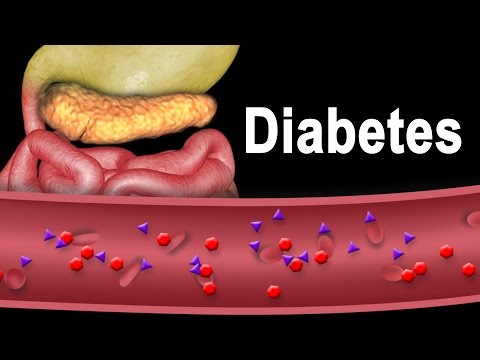
Diabetes can often feel overwhelming, but understanding it doesn’t have to be. Imagine your body as a car: it needs fuel (food) to run properly. Insulin, a hormone produced by the pancreas, acts like the key that helps fuel enter the engine (your cells). When this process is disrupted, you may develop diabetes.
This article will explore key insights about diabetes, helping you grasp its types, symptoms, and management strategies. Whether you’re newly diagnosed or just want to expand your knowledge, understanding diabetes can empower you to make healthier choices.
However, be cautious: navigating health information online can be tricky. It’s important to consult various specialists and rely on trusted sources when seeking information about diabetes. Misinformation can mislead and complicate your understanding of this condition. Stay curious but also critical; seek knowledge from different perspectives for a well-rounded view.
The information provided in this article is intended solely for general informational and educational purposes. It does not constitute medical advice, diagnosis or professional treatment, and should not be considered a substitute for consultation with a qualified doctor or other licensed healthcare professional. Any health-related decisions should be made in consultation with accredited medical professionals.
While efforts have been made to ensure the information is accurate and up to date, no guarantees are given—either express or implied—regarding its accuracy, completeness, currency or suitability. Use of this information is at your own discretion.
It is strongly recommended to consult official sources such as the NHS (National Health Service) or other recognised medical institutions before acting on any information contained on this website or article. Under no circumstances should professional medical advice be ignored or delayed due to content read here.
This content is of a general and informational nature only. It is not intended to replace individualised guidance from a healthcare professional or to establish any doctor-patient relationship. The publication of this information does not imply any professional responsibility, guarantee or obligation on the part of the author or this site.
Essential Insights into Understanding Diabetes
Understanding diabetes can feel overwhelming, but breaking it down makes it easier. Essentially, diabetes is a condition where the body struggles to manage blood sugar levels. This can lead to various health issues if not addressed properly.
There are primarily two types of diabetes: Type 1 and Type 2.
Type 1 diabetes usually appears in childhood or young adulthood. In this case, the body produces little or no insulin. Insulin is a hormone that helps sugar enter cells for energy. Without enough insulin, sugar builds up in the bloodstream.
On the other hand, Type 2 diabetes is more common and typically develops later in life. Here, the body either isn’t able to use insulin effectively or doesn’t produce enough of it. It often relates to lifestyle factors like diet and physical activity.
Another term you might hear is prediabetes. This means blood sugar levels are higher than normal but not high enough to be diagnosed as diabetes. It’s a warning sign that can lead to Type 2 diabetes if changes aren’t made.
Key factors influencing the risk of developing Type 2 include:
The symptoms of diabetes can vary but often include:
If not managed well, diabetes may lead to serious complications like heart disease, nerve damage, or vision problems.
Managing diabetes involves monitoring blood sugar levels regularly. Staying active and maintaining a balanced diet greatly contribute too.
There’s a myth that people with diabetes must avoid all sugars completely—this isn’t true! It’s about balance and moderation rather than complete restriction.
Education is key for anyone living with or at risk for diabetes. Understanding how food, exercise, and medications affect your body empowers better health decisions.
Engaging with healthcare providers can help tailor an approach that’s right for you or someone you love living with this condition. Remember that fostering awareness promotes healthier lifestyles overall!
Unlocking the Secrets of Diabetes: A Simple Guide to Understanding the Condition
Diabetes is a condition that affects how your body processes sugar, or glucose. Understanding diabetes can feel overwhelming, but breaking it down helps.
There are two main types of diabetes: Type 1 and Type 2.
Insulin is like a key that opens the door to your cells. Without insulin, glucose stays in the bloodstream, raising blood sugar levels.
High blood sugar can lead to various health issues over time. These can affect the heart, kidneys, eyes, and nerves.
Some symptoms of diabetes include increased thirst, frequent urination, fatigue, and blurry vision. If you notice these signs, it’s wise to consult a healthcare provider.
Risk factors for Type 2 diabetes often involve lifestyle choices and genetics. Being overweight or inactive can increase your chances. Age also plays a role; those over 45 are at higher risk.
Managing diabetes often requires lifestyle changes. Eating a balanced diet rich in whole grains, fruits, vegetables and lean proteins helps control blood sugar levels.
Regular physical activity is essential too. Aim for at least 150 minutes of moderate exercise each week.
Monitoring blood sugar levels is crucial for everyone with diabetes. This helps you understand how food and activity affect your glucose levels.
Many myths surround diabetes that deserve clarification:
Education about diabetes empowers individuals to make informed decisions about their health.
Don’t hesitate to seek knowledge from reliable sources or professionals if you’re unsure about anything related to this condition.
Embracing an informed approach towards managing diabetes can really enhance quality of life!
Unlocking the Secrets to Better Health and Lifelong Wellbeing
Unlocking the secrets to better health involves understanding how our bodies work and what influences them. One crucial area to consider is diabetes. Diabetes affects how your body processes sugar, which is essential for energy.
When someone has diabetes, their body struggles with insulin. Insulin is like a key that lets sugar into your cells. If there’s not enough insulin, or it’s not working well, sugar builds up in the bloodstream. This can lead to various health issues over time.
There are two main types of diabetes:
Managing diabetes relies on a few key factors:
Lifestyle changes are vital for anyone wanting to prevent or manage diabetes. This includes maintaining a healthy weight and avoiding excessive sugars.
A common myth is that only overweight people get type 2 diabetes. Actually, anyone can develop it regardless of their size.
Another misconception is that you can’t eat any sugar if you have diabetes. In reality, it’s about moderation and making wiser choices.
Engaging with healthcare providers regularly can provide support and guidance tailored to individual needs.
Overall, understanding these aspects about diabetes can empower you towards achieving better health and lifelong wellbeing. By making informed decisions today, you can impact your future positively!
Understanding diabetes is essential for both those living with the condition and the wider community. It’s more than just a problem with sugar levels; it affects many aspects of health and daily life.
Diabetes is not one-size-fits-all. There are two main types: Type 1, which usually develops in childhood, and Type 2, often linked to lifestyle factors. Each type has unique causes, management strategies, and long-term implications.
Education plays a crucial role in managing diabetes. Knowing how foods affect blood sugar can empower individuals to make informed choices. For example, carbohydrates break down into glucose, so understanding their impact helps in planning meals effectively.
Monitoring blood sugar levels is another vital component. Regular checks can help catch highs or lows before they cause serious issues. Think of it like checking the oil level in a car; regular maintenance keeps everything running smoothly.
There are many myths surrounding diabetes that can lead to misinformation. For instance, not every person with Type 2 diabetes is overweight. Genetics and other factors also play significant roles.
Lastly, support from healthcare providers is key to navigating this chronic disease. Regular consultations ensure that management plans are tailored to individual needs.
In summary, understanding diabetes involves recognizing its complexities and embracing education as a tool for better health outcomes. The journey may be challenging, but informed decisions can significantly enhance quality of life for those affected.