The information provided in this article is intended solely for general informational and educational purposes. It does not constitute medical advice, diagnosis or professional treatment, and should not be considered a substitute for consultation with a qualified doctor or other licensed healthcare professional. Any health-related decisions should be made in consultation with accredited medical professionals.
While efforts have been made to ensure the information is accurate and up to date, no guarantees are given—either express or implied—regarding its accuracy, completeness, currency or suitability. Use of this information is at your own discretion.
It is strongly recommended to consult official sources such as the NHS (National Health Service) or other recognised medical institutions before acting on any information contained on this website or article. Under no circumstances should professional medical advice be ignored or delayed due to content read here.
This content is of a general and informational nature only. It is not intended to replace individualised guidance from a healthcare professional or to establish any doctor-patient relationship. The publication of this information does not imply any professional responsibility, guarantee or obligation on the part of the author or this site.
Have you ever felt a strange sensation in your throat while eating? Like, something just doesn’t feel right? You’re not alone. Many people experience odd symptoms that can be confusing, and one condition that might be causing those feelings is eosinophilic esophagitis.
This is an inflammatory disorder of the esophagus. It’s more common than you might think, affecting both kids and adults. But what does that mean for your everyday life? Well, it can lead to issues like difficulty swallowing or food getting stuck in your throat. Sounds uncomfortable, right?
In this article, we’ll dive into what eosinophilic esophagitis is all about. We’ll look at its symptoms, causes, and why it’s important to pay attention to them. Understanding this condition could help you make sense of your health concerns.
Of course, remember that this content doesn’t replace professional medical advice. Health decisions should never be based solely on articles like this—consulting a healthcare professional is always the best route to take.
Unraveling the Mystery Behind Eosinophilic Esophagitis Triggers
Understanding Eosinophilic Esophagitis
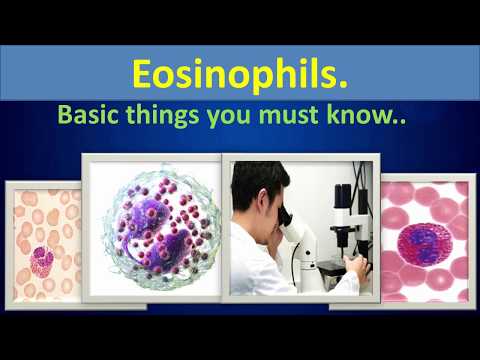
Eosinophilic esophagitis, often shortened to EoE, is a condition affecting the esophagus. The esophagus is the tube that connects your mouth to your stomach. In people with EoE, a type of white blood cell called eosinophils buildup in this area. This can lead to symptoms that might be pretty uncomfortable.
What Are the Symptoms?
Common symptoms of EoE include difficulty swallowing, food getting stuck in the throat, and chest pain that doesn’t seem to come from the heart. Some people might also have acid reflux or heartburn-like symptoms, which can make things even trickier.
Now imagine trying to swallow something and it feels like there’s a lump in your throat or you start coughing. That’s what many folks with EoE experience regularly.
What Triggers Eosinophilic Esophagitis?
The triggers for EoE aren’t always clear-cut but are often linked to food allergies or certain environmental factors. If foods like dairy, eggs, wheat, soy, peanuts, fish or shellfish cause the eosinophils to react when swallowed—that’s a red flag.
Look at it this way: if your body sees these foods as intruders rather than friends; it responds by sending out eosinophils to fight them off.
The Role of Allergens
- Pollen and dust mites are common allergens that can also trigger symptoms—this is especially true for people who have other allergies like hay fever.
- Some patients notice their symptoms worsen during pollen seasons; it’s interesting how connected everything can be!
- The link between food allergies and eosinophilic esophagitis has been heavily studied and often shows up in patients who already have allergic conditions.
Diagnosis: How Is It Done?
If someone suspects they have EoE due to these triggers and symptoms; doctors usually conduct an endoscopy. This involves inserting a thin tube with a camera down the throat while gently sedating the patient—sounds scarier than it often is!
This allows doctors to take tissue samples from the esophagus (known as biopsies) so they can check for those pesky eosinophils causing trouble.
Treatment Options
Mediation typically focuses on addressing both inflammation and identifying food triggers. That could include corticosteroids taken as an inhaler or topical solution that helps reduce inflammation in the esophagus.
- A specialized elimination diet is another common strategy; this means cutting out certain foods while monitoring symptoms closely within weeks post-elimination—to see what works best for you!
Simplifying diet choices varies person-to-person because everyone reacts differently—even some foods considered safe might trigger someone else! That’s why working hand-in-hand with healthcare professionals can help create a personalized approach for managing symptoms effectively over time.
A Final Thought
You know, understanding triggers behind eosinophilic esophagitis takes patience and effort—but you’re not alone on this journey! Learning what works best personally is key since every body reacts differently.
Uncovering the Key Factors Behind Eosinophilic Esophagitis Flare-Ups
Understanding Eosinophilic Esophagitis
Eosinophilic esophagitis, or EoE for short, is a chronic condition where eosinophils—a type of white blood cell—build up in the esophagus. This buildup can lead to inflammation and damage. It often manifests as difficulty swallowing, food getting stuck, or chest pain.
Flare-Ups: What Triggers Them?
Flare-ups can certainly be frustrating; they may happen unexpectedly. The factors behind these episodes are multi-faceted and can vary significantly from person to person.
- Food Allergies: Many people with EoE experience flare-ups after eating specific foods. Common culprits include dairy, wheat, nuts, soy, and seafood.
- Pollen Exposure: Some individuals report increased symptoms during pollen season. This suggests that environmental allergens might play a role.
- Infections: Viral or bacterial infections can also trigger a flare-up by causing inflammation.
- Meds and Drugs: Certain medications may irritate the esophagus and provoke symptoms in sensitive individuals.
The Role of Inflammation
The eosinophils aren’t just sitting there—they’re active players in inflammation. When they gather in the esophagus due to triggers like food or allergens, they can cause swelling and discomfort. Think of it like when you spill water on paper; it gets soggy and weaker.
This inflammation isn’t visible without special tests, making diagnosis tricky sometimes. That said, recognizing patterns in flare-ups can help manage the condition better over time.
Simplifying Complex Interactions
You know how some people might have chronic allergies? EoE works similarly but targets the esophagus specifically. Imagine your immune system being super sensitive; even normal things like certain foods could set it off.
- Diet Adjustments: Keeping a food diary might help identify triggers over time.
- Avoidance Strategies: Once you spot trouble foods or allergens, avoiding them could reduce flare-ups significantly.
- A Healthcare Team Approach: Collaborating with allergists and gastroenterologists often leads to more personalized care plans.
Lifestyle Factors at Play
Your environment plays a big role too. Stress levels, air quality, and diet beyond just specific allergens can all affect how well your body copes with EoE issues. For instance, high-stress times could lead to worse symptoms for many people—it’s kind of like how some folks get headaches when they’re stressed out!
The Bottom Line
Eosinophilic esophagitis is complex but manageable with careful observation of triggers and support from healthcare professionals who understand your individual needs. Over time you’ll likely find ways to handle those pesky flare-ups more effectively!
Uncovering the Triggers Behind Eosinophilic Inflammation
Understanding Eosinophilic Inflammation
Eosinophilic inflammation is a reaction in the body that involves a type of white blood cell called eosinophils. These cells usually help fight off parasites and respond to allergens. But sometimes, they go into overdrive, causing issues.
What Triggers Eosinophilic Inflammation?
There are several potential triggers for this inflammation. Common culprits include allergies to food or pollen, certain medications, and even some infections. It’s like a car alarm going off when there’s no threat—eosinophils acting up for various reasons.
- Food Allergies: Many people with eosinophilic esophagitis have food allergies. Foods like milk, eggs, wheat, soy, fish, peanuts and tree nuts are often involved.
- Pollen and Pet Dander: Environmental factors can also play a role. Seasonal allergies can spark an increase in eosinophils.
- Medications: Some medicines like NSAIDs or antibiotics might trigger inflammation in sensitive individuals.
Eosinophilic Esophagitis: Symptoms
This condition often shows itself through symptoms related to eating. People with eosinophilic esophagitis may experience difficulty swallowing or feel like food is stuck in their throat. Others might have chest pain or stomach ache after meals.
The thing is, these symptoms can mimic other conditions too, making it tricky to diagnose. Sometimes it gets mistaken for acid reflux or just general indigestion.
The Immune Response
You know how sometimes your immune system overreacts? Well, that’s what happens here too! When an allergen enters the body, eosinophils migrate to where they think there’s danger—this leads to swelling and discomfort in areas like the esophagus.
A great analogy is having too many chefs in the kitchen; instead of helping out, they end up creating chaos!
Treatment Options
Treating eosinophilic inflammation typically involves avoiding triggers and using medications that help manage symptoms. This could mean dietary changes or medications that reduce inflammation in the esophagus.
- Avoidance: Identifying specific food triggers through an elimination diet can be beneficial.
- Corticosteroids: These can help reduce inflammation as they calm down the immune response.
- Amino Acid-Based Formula: In kids especially this might be used if regular diets are causing trouble.
The Importance of Diagnosis
If you or someone you know is experiencing symptoms related to eating or digestion regularly—it’s worth speaking with a healthcare professional. Evaluating things like diet and medical history could provide clues regarding eosinophilic inflammation as well as guide appropriate treatment plans without jumping into conclusions too fast.
The bottom line here? Understanding what triggers eosinophilic inflammation can make all the difference when managing symptoms effectively while improving overall quality of life without overwhelming stress from confusion about what’s happening inside your body.. It’s always essential to advocate for yourself—you’re your best friend when it comes to health!
Understanding Eosinophilic Esophagitis: Symptoms and Causes
Eosinophilic esophagitis (EoE) is a chronic inflammatory condition of the esophagus. It happens when eosinophils, a type of white blood cell, accumulate in the esophagus. This condition can lead to difficulty swallowing and other symptoms that affect quality of life.
Symptoms to Note
Common symptoms include:
- Dysphagia, or trouble swallowing
- Food getting stuck in the throat or chest
- Pain or discomfort during swallowing
- Nausea and vomiting
- Chest pain that isn’t related to heart issues
- Weight loss or poor growth in children
The symptoms can be pretty distressing, especially if they impact daily life. Not everyone will experience all these signs, but even a few can indicate a potential issue.
The Causes Behind EoE
Honestly, the exact cause of eosinophilic esophagitis isn’t fully understood. However, it’s believed to involve food allergies, environmental factors, and genetic predispositions.
Many people with EoE have associated allergies to common foods like wheat or dairy. Think of it like your immune system is overreacting to certain substances as if they were harmful invaders.
Diagnosis and Management
A proper diagnosis typically involves an endoscopy. This procedure allows doctors to look inside your esophagus directly for those pesky eosinophils.
Management often includes dietary changes or medications like topical steroids which help reduce inflammation. Sometimes people find relief simply by avoiding triggers in their diet.
If you suspect you have symptoms related to EoE, it’s crucial to connect with a healthcare provider for appropriate evaluation and support.
This understanding creates an opportunity for better management of this unique condition and enhances communication between patients and healthcare teams.