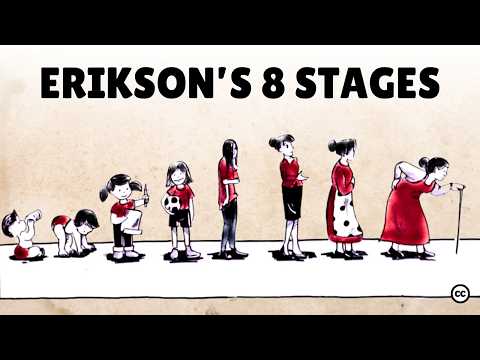
Life is a fascinating journey, isn’t it? Each stage brings new challenges and opportunities for growth. One framework that helps us understand this journey is Erik Erikson’s Stages of Life. Imagine life as a series of milestones, where each phase asks us to tackle certain questions about ourselves and our relationships.
Erikson proposed eight stages, from infancy to late adulthood. At each stage, we face specific conflicts that can shape our personalities and life paths. For instance, in childhood, the focus is on developing trust with caregivers. In adolescence, the challenge lies in forming a cohesive identity.
These stages are not just theoretical; they resonate with our personal experiences. By exploring them, you can gain valuable insights into your own life and those around you. However, it’s important to approach this framework with an open mind.
**A word of caution:** While Erikson’s theories offer valuable perspectives on human development, it’s crucial to consult various specialists and seek diverse sources of information. Life experiences are complex and unique; no single theory can encapsulate everyone’s story. Always stay curious and informed!
The information provided in this article is intended solely for general informational and educational purposes. It does not constitute medical advice, diagnosis or professional treatment, and should not be considered a substitute for consultation with a qualified doctor or other licensed healthcare professional. Any health-related decisions should be made in consultation with accredited medical professionals.
While efforts have been made to ensure the information is accurate and up to date, no guarantees are given—either express or implied—regarding its accuracy, completeness, currency or suitability. Use of this information is at your own discretion.
It is strongly recommended to consult official sources such as the NHS (National Health Service) or other recognised medical institutions before acting on any information contained on this website or article. Under no circumstances should professional medical advice be ignored or delayed due to content read here.
This content is of a general and informational nature only. It is not intended to replace individualised guidance from a healthcare professional or to establish any doctor-patient relationship. The publication of this information does not imply any professional responsibility, guarantee or obligation on the part of the author or this site.
A Clear Guide to Understanding Human Development Across the Lifespan
Understanding human development across the lifespan helps us make sense of our experiences and growth. One influential framework is Erik Erikson’s stages of psychosocial development. This theory outlines eight distinct phases, each profoundly shaping who we are.
Infancy (0-1 year): In this stage, trust vs. mistrust is key. Babies learn to rely on caregivers for basic needs. When caregivers are warm and reliable, infants develop a sense of trust.
Early Childhood (1-3 years): Here, the conflict revolves around autonomy vs. shame and doubt. Toddlers strive for independence by doing things themselves. Supportive environments encourage self-confidence.
Preschool Age (3-6 years): This stage focuses on initiative vs. guilt. Children begin to assert control over their environment through play and other activities. Encouragement from parents helps them feel capable and adventurous.
School Age (6-12 years): Competence vs. inferiority becomes the challenge here. As children interact with peers in school, they start comparing themselves to others. Success leads to a sense of competence; failure can lead to feelings of inadequacy.
Adolescence (12-18 years): Identity vs. role confusion defines this period. Teens explore different identities and values while seeking social acceptance. Successful navigation fosters a strong sense of self.
Young Adulthood (18-40 years): The focus shifts to intimacy vs. isolation during this stage. Forming intimate relationships is critical for emotional well-being at this age; meaningful connections lead to greater fulfillment.
Middle Adulthood (40-65 years): Generativity vs. stagnation is the key issue here, where individuals seek to create or nurture things that will outlast them, such as raising children or contributing to society.
Late Adulthood (65+ years): Integrity vs. despair marks this final stage of life where reflecting on one’s life becomes important. A sense of fulfillment leads to wisdom; regret can lead to despair.
Understanding these stages helps us navigate our own experiences as well as support others in their journeys through life’s challenges.
By recognizing these stages, we cultivate empathy towards ourselves and others during various life transitions.
If you’re curious about your own development or that of someone else, consider how these insights might apply in real-life situations!
Exploring the Journey of Growth from Childhood to Old Age
Understanding our growth from childhood to old age is a fascinating journey. One helpful way to explore this journey is through Erik Erikson’s stages of life. He proposed eight stages, each with its own unique challenges.
As children, we start developing trust. This happens when our needs are met consistently, such as when caregivers respond to our cries. Without this reliability, we may grow up feeling anxious.
Next, we move into the stage of autonomy. Here, toddlers learn to make choices—like picking out their clothes or deciding what to eat. This sense of independence is crucial for building self-esteem.
As we enter preschool age, the focus shifts to initiative. Children begin exploring their world creatively and socially. If they’re encouraged in their efforts, they learn confidence in tackling new tasks.
In elementary school, competence becomes key. Here, skills like reading and math come into play. Success in these areas fosters a sense of achievement, while struggles might lead to feelings of inferiority.
Once we hit adolescence, identity takes center stage. Teenagers often grapple with questions about who they are and where they fit in society. This exploration helps shape their adult identity.
Young adults then face intimacy versus isolation. Building close relationships becomes important here—both romantic and platonic connections help foster emotional well-being.
Middle adulthood brings another shift: generativity versus stagnation. Many people find purpose through family or work during this time, seeking ways to contribute positively to society.
Finally, as we reach old age, integrity comes into focus. Reflecting on life experiences can either bring satisfaction or regret depending on how one approaches these reflections.
Overall, Erikson’s stages teach us that each phase has importance and influences our overall development throughout life. Understanding these stages can help us appreciate the growth others experience too.
It’s important to remember that growth doesn’t follow a strict timeline; people move through these stages at different speeds based on various factors like culture and personal experiences.
Being aware of these stages encourages empathy towards ourselves and others as we navigate life’s ups and downs together!
Unpacking the Key Stage That Shapes Our Lives
Understanding the key stages of life can really help us reflect on our journeys. Erik Erikson, a notable psychologist, developed a theory that maps out eight stages of development. Each stage is like a chapter in a book, contributing to who we become.
From infancy to old age, every stage is important. In each, we face unique challenges and make choices that shape us. These experiences influence how we relate to ourselves and others.
Let’s break down Erikson’s eight stages:
Each stage offers its unique lessons, much like building blocks in a tower—the stronger the foundation, the more resilient the structure.
It’s essential to recognize that not everyone progresses through these stages smoothly or in order. Life events can reshape our experiences at any age.
Erikson’s theory encourages self-awareness as we navigate life’s ups and downs. It highlights how our past influences our present relationships and decisions.
By understanding these stages, we can better empathize with others’ experiences too. Everyone is at a different point in this journey, facing challenges unique to them.
In conclusion, taking time to reflect on these pivotal stages may deepen your understanding of yourself and those around you. The journey through life is about growth—embracing change while learning from it along the way.
Understanding Erikson’s Stages of Life Simplified offers valuable insights into human development. Erik Erikson’s theory outlines eight key stages from infancy to late adulthood, each characterized by a specific conflict that individuals must resolve.
This framework emphasizes that our growth continues throughout our lives, not just in childhood. It highlights the importance of social relationships and experiences at different ages, fostering a sense of community in our development.
Reflecting on these stages helps us recognize the challenges we face and how they shape our identities. For instance, developing trust in infancy lays the groundwork for future relationships. Each stage builds on the previous one, illustrating how unresolved conflicts can impact later life experiences.
Ultimately, simplifying Erikson’s theory makes it accessible and relevant, encouraging self-reflection and understanding among individuals at any age. As we navigate life’s challenges, being aware of these stages can guide us toward personal growth and stronger connections with others.