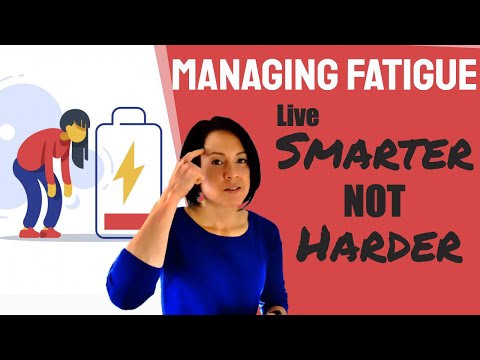
Fatigue is something we all experience from time to time. Imagine running a marathon; your body feels heavy, your mind is clouded, and every step becomes a monumental task. This is fatigue—a complex sensation that can be physical, mental, or emotional. Understanding it is essential, as it affects our daily lives in ways we often underestimate.
Fatigue is not just about lack of sleep or being overworked. It can stem from various factors like stress, health conditions, and even our diets. By peeling back the layers of fatigue, we find an opportunity to better manage our energy levels and improve our overall well-being.
However, it’s important to approach fatigue with caution. Self-diagnosing can lead to misunderstandings about underlying issues. Fatigue can sometimes indicate serious health problems. That’s why seeking guidance from different specialists—like doctors, nutritionists, or mental health experts—is crucial for a comprehensive understanding.
Stay curious! Explore reliable resources and engage with multiple perspectives on this topic. Remember that knowledge empowers informed decisions for managing your energy and improving your quality of life.
The information provided in this article is intended solely for general informational and educational purposes. It does not constitute medical advice, diagnosis or professional treatment, and should not be considered a substitute for consultation with a qualified doctor or other licensed healthcare professional. Any health-related decisions should be made in consultation with accredited medical professionals.
While efforts have been made to ensure the information is accurate and up to date, no guarantees are given—either express or implied—regarding its accuracy, completeness, currency or suitability. Use of this information is at your own discretion.
It is strongly recommended to consult official sources such as the NHS (National Health Service) or other recognised medical institutions before acting on any information contained on this website or article. Under no circumstances should professional medical advice be ignored or delayed due to content read here.
This content is of a general and informational nature only. It is not intended to replace individualised guidance from a healthcare professional or to establish any doctor-patient relationship. The publication of this information does not imply any professional responsibility, guarantee or obligation on the part of the author or this site.
Simple Strategies to Recharge Your Energy and Revitalize Your Day
Feeling tired or drained can be more than just a bad night’s sleep. It’s important to understand what fatigue really means. Fatigue is a lack of energy. It can come from various sources, including stress, poor diet, or even lack of movement.
Sometimes, our bodies need a little help to recharge. Here are some simple strategies that might help you boost your energy and revitalize your day.
1. Stay Hydrated
Water is essential for every part of your body. Dehydration can lead to feelings of fatigue. Try to drink enough water throughout the day. A good rule is to aim for around eight 8-ounce glasses daily, but listen to your body—it might need more!
2. Balanced Diet
Eating well fuels your body like quality gas fills a car. Focus on whole foods like fruits, vegetables, lean proteins, and whole grains instead of sugary snacks which can lead to energy crashes.
3. Regular Exercise
It might seem counterintuitive, but moving more gives you more energy! Simple exercises like walking or stretching can get your blood flowing and wake up your muscles.
4. Manage Stress
Stress drains us mentally and physically. Try relaxation techniques such as deep breathing or meditation for just a few minutes each day; it can clear your mind and refresh your spirit.
5. Take Breaks
Just like a phone needs recharging sometimes, you do too! Short breaks during work or daily tasks allow your mind to reset and keep fatigue at bay.
6. Get Quality Sleep
Sleep is when our bodies repair themselves; it’s crucial for maintaining energy levels during the day! Create a nightly routine that helps signal to your body it’s time to wind down.
7. Connect with Nature
Spending time outside can lift our mood and increase energy levels too! Even a short walk in nature has been shown to improve well-being.
Remember, small changes make big impacts over time! Listen to how these strategies affect you personally; everyone’s needs are different.
Fatigue isn’t always something we have to accept as normal—sometimes it takes simple actions in the right direction for us to feel invigorated again!
Unraveling the Hidden Factors Behind Your Tiredness
Feeling tired? You’re not alone. Fatigue can feel like a heavy blanket, making it hard to focus or enjoy daily activities. Understanding why you’re feeling this way is the first step toward managing it.
Fatigue isn’t just about being sleepy. It can be physical, mental, or emotional. Sometimes, it’s a combination of all three. It’s our body’s way of telling us something isn’t quite right.
Here are some common hidden factors that could be affecting your energy levels:
Each of these factors interacts differently for everyone. For instance, if you’re under stress but also not eating well, this combo might hit harder on your energy than either factor alone.
Consider keeping a diary to track your energy levels alongside lifestyle habits. You might notice patterns that help identify what could be zapping your energy.
It’s also important to remember myths around fatigue. For example, many believe they need more caffeine to combat tiredness. However, excessive caffeine can actually disrupt sleep cycles and worsen fatigue over time.
Finally, make sure to listen to your body. If you find that feelings of exhaustion persist despite making adjustments in life habits, reaching out for guidance can provide further insight.
Understanding fatigue starts with recognizing the hidden factors behind it—your habits, environment and health conditions play crucial roles in how energized or drained you feel each day. You have the power to explore these elements for better well-being!
Unlocking Energy: Four Simple Strategies to Tackle Fatigue
Feeling tired all the time can be frustrating. Fatigue affects many people, whether it’s due to a busy lifestyle, lack of sleep, or stress. Understanding fatigue is key to managing it effectively. Here are four simple strategies to help you tackle that tired feeling.
1. Prioritize Sleep: Sleep is like charging your phone; without enough power, it won’t work properly. Aim for 7-9 hours of quality sleep each night. Create a bedtime routine that helps you wind down.
2. Stay Hydrated: Imagine trying to run a car without fuel; that’s what happens when you don’t drink enough water. Dehydration can make you feel sluggish and tired. Aim for about 8 glasses of water daily or more if you’re active.
3. Move Your Body: Exercise might seem like the last thing you’d want to do when you’re tired, but it can be energizing! Even a short walk can boost mood and energy levels. Think of it as revving up your engine.
4. Eat Smart: What you eat impacts how you feel. Instead of heavy meals that make you feel sleepy, try lighter snacks with protein and healthy fats throughout the day. Foods like nuts, yogurt, and fruits work wonders.
Incorporating these strategies into your daily routine may help improve your energy levels over time. Remember that everyone’s body reacts differently, so it’s important to pay attention to what works for you individually.
It’s also essential to consider other factors affecting fatigue like stress or medical conditions if fatigue persists despite making lifestyle changes. Don’t hesitate to reach out for support if needed—an extra pair of eyes can offer valuable insight in navigating this challenging issue.
In summary:
Implementing these simple steps may lead to feeling more energized throughout the day!
Fatigue is more than just feeling tired; it’s a complex condition that affects physical and mental well-being. It can stem from various factors, such as stress, poor sleep, medical conditions, and even nutrition. Understanding fatigue involves recognizing its multifaceted nature.
Often, people think fatigue is solely about lack of sleep. While inadequate rest contributes significantly, emotional strain and chronic illness play crucial roles too. For example, someone might feel drained after a stressful week at work, even if they got enough sleep.
Managing fatigue requires a holistic approach. Here are some strategies to consider:
Understanding fatigue empowers individuals to take proactive steps toward improving their health. It’s about listening to your body and recognizing when you might need support or making adjustments in life habits. With the right strategies in place, managing fatigue becomes an achievable goal rather than an overwhelming challenge.