The information provided in this article is intended solely for general informational and educational purposes. It does not constitute medical advice, diagnosis or professional treatment, and should not be considered a substitute for consultation with a qualified doctor or other licensed healthcare professional. Any health-related decisions should be made in consultation with accredited medical professionals.
While efforts have been made to ensure the information is accurate and up to date, no guarantees are given—either express or implied—regarding its accuracy, completeness, currency or suitability. Use of this information is at your own discretion.
It is strongly recommended to consult official sources such as the NHS (National Health Service) or other recognised medical institutions before acting on any information contained on this website or article. Under no circumstances should professional medical advice be ignored or delayed due to content read here.
This content is of a general and informational nature only. It is not intended to replace individualised guidance from a healthcare professional or to establish any doctor-patient relationship. The publication of this information does not imply any professional responsibility, guarantee or obligation on the part of the author or this site.
Have you ever noticed changes in your breasts and felt a little worried? You’re definitely not alone. Many women experience fibrocystic breast changes at some point in their lives. It’s more common than you might think.
These changes can cause symptoms like lumpiness, tenderness, or swelling. They may leave you wondering what’s going on. Is it normal? Should I be concerned? Understanding these changes can help ease your mind.
This article aims to explain what fibrocystic breast changes are, how they show up, and ways to care for yourself during this time. It’s important to know that while they are usually benign (which means not harmful), being informed is key to feeling good about your health.
Remember, though: this content doesn’t replace medical advice. Health decisions shouldn’t be made solely based on reading online articles like this one. Always consult with a healthcare professional for personalized guidance.
Together, let’s explore this topic and make sure you feel empowered about your body!
Navigating the Ups and Downs of Breast Health with Confidence
Navigating Breast Health: Understanding Fibrocystic Changes
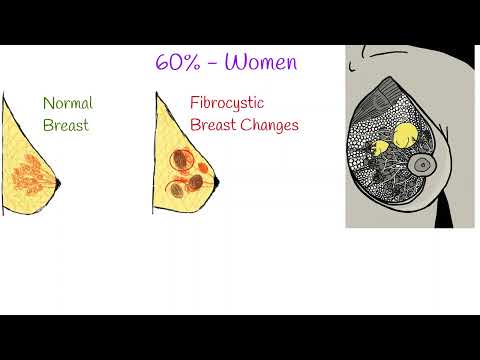
Hey, let’s talk about fibrocystic breast changes. It’s really common, and many women experience it at some point in their lives. Basically, it refers to a group of symptoms from changes in breast tissue. You might feel lumps, tenderness, or even swelling. It’s like your breasts are having their own little adventures.
What are Fibrocystic Changes?
So, fibrocystic changes are mostly due to hormonal shifts in your body. Estrogen and progesterone, two key hormones, can make the breast tissue feel lumpy or bumpy. It’s like when the tides go up and down at the beach; they cause fluctuations that change how things feel.
Sometimes you might even notice that these symptoms get worse right before your period. Afterward? They usually calm down. This pattern happens because of hormone levels changing throughout your menstrual cycle.
Common Symptoms
- Lumps or cysts that can be tender to touch.
- A feeling of fullness or heaviness in the breasts.
- Pain that varies during the menstrual cycle.
If you’re noticing these symptoms, you’re not alone; lots of women go through this. It’s kind of a club nobody really wants to join—but hey, it’s good to know you’re not by yourself!
How To Manage Symptoms
Coping with fibrocystic breast changes is all about comfort and awareness. Wearing a supportive bra can help ease discomfort—like giving your girls a gentle hug all day long! Sometimes heat pads or warm compresses work wonders too; they can soothe aching breasts quite nicely.
Your diet might also play a role here. Some women find that cutting back on caffeine and salty snacks helps reduce symptoms. Think of it like adjusting the volume on your favorite song: sometimes less is more!
When To See A Professional
No need to panic if you’re feeling unsure about what you’re experiencing! If you notice sudden changes—like new lumps appearing or any unusual discharge—it’s worth checking in with someone who can guide you further.
A Word About Myths
It’s important to keep an eye out for myths floating around out there about breast health. For example, many believe that having fibrocystic breasts increases cancer risk. That’s just not true! Regular screening and self-exams should be part of every woman’s routine anyway—just for peace of mind!
The Bottom Line
Navigating breast health doesn’t have to feel overwhelming; understanding what fibrocystic changes mean is key for confidence in your health journey. Be aware of how your body feels during different times each month—it’ll help you understand what’s normal for you.
Remember, knowledge empowers! Taking care of yourself includes knowing when to reach out for help when things start feeling off-course; never hesitate if something feels wrong!
Tips for Managing Symptoms and Promoting Breast Health
Understanding Fibrocystic Breast Changes
Fibrocystic breast changes are common and can be a source of concern for many. They typically involve the development of cysts or lumps in the breast tissue. It’s important to know that these changes are usually benign, meaning they aren’t cancerous.
Symptoms to Look For
You might experience pain or tenderness in your breasts, often linked to your menstrual cycle. Swelling is also common, and you may notice lumpy areas that feel different from surrounding tissues.
Some women observe that their breast tissue feels more bumpy than usual. It’s kind of like the difference between a smooth stone and a rock with ridges, if you know what I mean.
Daily Management Tips
- Icing: Applying a cold compress can help reduce discomfort.
- Supportive Bras: A well-fitting bra provides good support and can ease some pain.
- Pain Relief: Over-the-counter pain relievers like ibuprofen may help but always read labels and consider talking to someone about it.
- Caffeine Reduction: Some women find that cutting back on caffeine helps reduce soreness.
Nutritional Considerations
Your diet plays a role in breast health too! Consuming more fruits and vegetables can have positive effects on overall well-being. Think of antioxidants as little soldiers fighting free radicals—bad guys in your body that you want fewer of!
A diet rich in whole grains can also be beneficial. Like giving your body good fuel for running its race every day, you know?
The Importance of Self-Exams
Regular self-exams can help you become familiar with how your breasts normally feel. This makes it easier to notice any new changes. You’d want to do this monthly, maybe around the same time as your period when breasts tend to swell, just so you get used to what’s typical for you.
When To See A Healthcare Provider
If you notice any sudden changes such as a new lump or if the pain gets severe, it’s wise to consult someone who knows about boobs! Getting checked out can ease worries and give peace of mind.
Coping With Emotional Impacts
Sometimes dealing with symptoms can take an emotional toll too. Talking about feelings with close friends or family members might lighten the load a bit. No one should feel like they’re alone in this journey!
Mental Well-being Matters Too
- Meditation: Mindfulness practices could help with stress relief—simple breathing exercises count!
- Coping Strategies: Finding hobbies or activities that bring joy can make things easier on tough days.
The Bottom Line
Navigating fibrocystic breast changes doesn’t have to be overwhelming. As long as you pay attention to your body and seek comfort when needed, you’re doing great! Remember there’s no stupid question if you’re curious about anything regarding breast health—talking is key!
Simple Strategies to Soothe Discomfort and Promote Breast Health
Understanding Fibrocystic Breast Changes
Fibrocystic breast changes can be a common experience for many people. This condition isn’t an actual disease, more like a normal variation of breast tissue. You know, it often comes with lumps or cysts, which are fluid-filled sacs. These sensations can sometimes lead to discomfort during the menstrual cycle.
Symptoms You Might Notice
Common symptoms include swelling, tenderness, and sometimes a lumpy texture in the breast tissue. The lumpy areas tend to get more noticeable before your period starts. It’s kind of like your body’s way of reacting to hormones.
Simple Strategies for Relief
- Warm Compress: Applying a warm compress can help soothe discomfort. Just soak a cloth in warm water and place it on your breasts for relief.
- Caffeine Reduction: Some people find that cutting back on caffeine helps ease symptoms. Think about swapping that cup of coffee for herbal tea.
- Mild Exercise: Gentle activities like walking or yoga may improve blood flow and help reduce tension in the breast area.
- Avoid Tight Clothing: Wearing loose-fitting clothes can make you feel more comfortable. Tight bras might contribute to discomfort when you’re already sensitive.
Nutritional Approaches
Your diet plays a role too! Incorporating healthy fats from sources like fish or avocados can support overall breast health. Plus, try adding fruits and veggies for their vitamins and minerals.
The Role of Hydration
Adequate hydration is crucial; making sure you drink enough water could be helpful. It’s important for bodily functions, including maintaining healthy tissues.
Caring for Your Breasts
You know, regular self-exams are key! They help you get familiar with your own breast tissue and notice changes over time. If something feels off or different than usual—don’t hesitate to reach out to someone who can provide guidance.
A Word About Hormones
Your hormones fluctuate throughout your cycle, influencing fibrocystic changes. Keeping track of those patterns can give you insights about what’s happening in your body.
When To Seek Help
If the pain or lumps persist beyond your menstrual cycle or worsen over time, it might be worth consulting a healthcare professional just to rule out any other issues. After all, staying informed is part of good health!
The thing is: listening to your body is really important. Every person’s experience is unique—what works wonders for one person might not work as well for another!
Understanding Fibrocystic Breast Changes: Symptoms and Care
Fibrocystic breast changes are quite common among women, but many find them confusing or concerning. The thing is, these changes are not an illness or condition to be alarmed about; they’re just variations in breast tissue. Think of it like the ups and downs in your favorite roller coaster—sometimes it’s bumpy, sometimes it’s smooth.
Women with fibrocystic breast changes often experience symptoms like lumpiness, tenderness, and pain that can fluctuate with their menstrual cycle. It’s kind of like how our emotions can change based on the weather—sometimes sunny, sometimes gray. Understanding this fluctuation can help lessen anxiety about what’s happening in your body.
Care for these changes mostly involves self-awareness and monitoring. Regular breast exams can play a crucial role here—just think of it as routine maintenance for your car. Knowing how your breasts feel normally helps you recognize any new changes that might need a healthcare provider’s attention.
A supportive bra might also help with discomfort during those tender phases. You know? Just like wearing cozy socks on a chilly day makes us feel better! And remember that lifestyle factors such as diet and stress management can impact how you feel.
Beneath the surface, fibrocystic changes reveal how our bodies naturally adapt and respond to hormonal fluctuations. So while it may seem daunting at first glance—like trying to solve a complex puzzle—it often helps to talk openly with friends or professionals who understand what you’re going through.
In essence, understanding these changes empowers women to take charge of their health without unnecessary worry. Listening to your body and seeking support when needed is always the difference between feeling lost and finding clarity.