The information provided in this article is intended solely for general informational and educational purposes. It does not constitute medical advice, diagnosis or professional treatment, and should not be considered a substitute for consultation with a qualified doctor or other licensed healthcare professional. Any health-related decisions should be made in consultation with accredited medical professionals.
While efforts have been made to ensure the information is accurate and up to date, no guarantees are given—either express or implied—regarding its accuracy, completeness, currency or suitability. Use of this information is at your own discretion.
It is strongly recommended to consult official sources such as the NHS (National Health Service) or other recognised medical institutions before acting on any information contained on this website or article. Under no circumstances should professional medical advice be ignored or delayed due to content read here.
This content is of a general and informational nature only. It is not intended to replace individualised guidance from a healthcare professional or to establish any doctor-patient relationship. The publication of this information does not imply any professional responsibility, guarantee or obligation on the part of the author or this site.
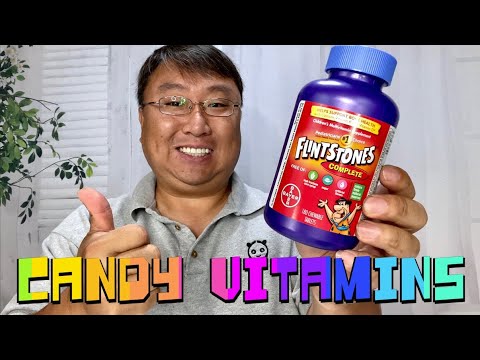
Have you ever wondered if those colorful Flintstones Gummies are actually good for your kids? Honestly, with all the supplements out there, it can be confusing to know what’s safe and effective. You might even think that a gummy vitamin is just candy in disguise!
First off, these gummies are designed to help fill nutritional gaps. They can provide vitamins and minerals that your little ones might not be getting from their diet. But hey, we need to dig deeper than just the fun shapes and flavors.
This article will walk you through the uses of Flintstones Gummies and discuss their safety. We’ll look at what these gummies contain, how they work, and any potential concerns you should know about. It matters because as parents or caregivers, keeping our children healthy is priority number one.
But remember—this content doesn’t replace medical advice. Health decisions should not be made solely based on this article; it’s always essential to consult a healthcare professional before adding anything new to your child’s routine.
Finding the Balance Between Fun and Health When It Comes to Gummy Vitamins
Finding the Balance Between Fun and Health with Gummy Vitamins
Gummy vitamins, like Flintstones Gummies, are a fun way to get some essential nutrients. But finding the right balance between enjoyment and health can be tricky. You know how kids love candies? Well, gummy vitamins can sometimes feel like just another sweet treat.
What Are Gummy Vitamins?
Gummy vitamins are chewy dietary supplements that usually come in flavors that appeal to kids (and adults too!). They often contain vitamins like A, C, D, and E. Some might also include minerals such as calcium or iron.
Are They Really Nutritional?
The thing is, while they provide some vitamins, they shouldn’t replace a well-rounded diet. Think of them like frosting on a cake; it adds sweetness but doesn’t make up the whole meal. It’s great to enjoy them, but getting nutrients from whole foods—like fruits and veggies—is so important too.
Safety Considerations
One concern with gummy vitamins is how easy it is to overeat them. Because they taste good, kids may munch on more than recommended. This could lead to an excess of certain vitamins which isn’t ideal. For example, too much vitamin A can sometimes be harmful.
The Importance of Dosage
The recommended dosage usually varies by age and needs. So it’s vital to check the label carefully—or better yet discuss it with a grown-up if you’re unsure! Remember: just because something is marketed for health doesn’t mean you should go overboard!
Cultivating Healthy Habits
You might wonder how you can incorporate these gummies into your routine without skewing toward excessive fun (and sugar). Start by treating them as part of a bigger picture. If you’re eating well most of the time, having a gummy vitamin here or there won’t hurt.
A Good Compromise?
No doubt about it—gummy vitamins can be an enjoyable addition for both kids and even adults who may have trouble swallowing pills. They bridge that gap between nutrition and enjoyment but keeping moderation in mind is key!
Caution Against Myths
A common myth is that these gummies are equivalent to real food sources of nutrients; they’re not! Whole foods provide fiber and other compounds that gummies simply can’t replicate. So while Flintstones Gummies might help fill gaps in your diet, they don’t replace everything else.
Aiming for Balance
- Use gummy vitamins sparingly with healthy meals.
- Always read labels before choosing brands or dosages.
- Treat these gummies as added fun rather than essentials.
- If uncertain about nutrition needs talk it out—perhaps with someone knowledgeable!
The key takeaway here? Enjoy gummy vitamins responsibly while focusing primarily on balanced meals! It’s all about moderation—sweetness doesn’t have to come at the cost of our health!
Tasty Tangy Treats that Make Snacking a Fun Adventure
Tasty Tangy Treats: Flintstones Gummies
Flintstones Gummies are those colorful, fruity chews that many kids and even some adults enjoy. They’re packed with vitamins and minerals. But, hey, what’s the deal with them?
What Are Flintstones Gummies?
These gummies are a type of dietary supplement. They provide vitamins like A, C, D, E, and B vitamins—good stuff for your body! It’s like having a little dose of nutrition in a candy form.
Who Can Take Them?
Flintstones Gummies are mainly aimed at children. But adults sometimes sneak a few too! They’re designed to help fill nutritional gaps in kids’ diets.
Why Do People Choose Gummies?
The flavor is a big reason! Kids often prefer treats that taste good rather than swallowing pills or tablets. Think of it as turning something healthy into a snack!
Are There Any Concerns?
Like any other treat, moderation is key. Having too many gummies can lead to excess sugar intake and make tummies hurt. You wouldn’t want to eat a whole bag of candy in one sitting, right?
Allergies and Sensitivities
If your child has allergies or food sensitivities, it’s smart to check the labels closely. Some gummies may contain allergens like gelatin or certain food dyes.
The Importance of Balance
No gummy can replace whole foods like fruits and vegetables. They should be seen as an addition rather than the main source of nutrition.
Tangy Treats for All Ages
- Cereal bars
- Dried fruits
- Nuts and seeds
- Yogurt-covered snacks
You know, while Flintstone Gummies can be fun additions to snack time, it’s essential to mix them with other healthy options!
A Final Thought on Usefulness
If you’re considering giving these chewy treats to kids regularly, chatting with a healthcare provider can help ensure they fit into your child’s diet well.
The bottom line is that Flintstone Gummies can add some joy to snacking but shouldn’t take the place of real food—and it’s always about balance!
Curious Consequences of Overindulging in Childhood Favorites
We’ve all got those childhood foods that just hit the spot, right? For many, Flintstones Gummies are one of those delights. They’re bright, fun, and it’s like having candy for breakfast! But what happens when we go a little overboard with these fruity chewables?
First off, let’s talk about sugar. Flintstones Gummies are sweetened to make them tasty. While a little sugar is fine—it’s part of what makes them enjoyable—too much can lead to problems like cavities. It’s kinda like how too much candy can leave you with a stomachache; gummies are no different.
The thing is, these gummies are often seen as vitamins rather than candy, right? So kids might think they can eat as many as they want without consequences. But too many gummies could mean taking in excess vitamins. That’s where it gets tricky.
Overdosing on Vitamins
Did you know that certain vitamins can be harmful in large doses? For instance, vitamin A is found in Flintstones Gummies. Usually, it’s good for your eyes and skin but too much can cause nausea or even dizziness. It’s really important to stick to recommended dosages.
In real life scenarios, kids who munch on tons of these gummies might not realize they’re getting more than they need. Parents should keep an eye on how many their kids are eating; because honestly, consistency helps prevent any mishaps.
Balancing Diet
You might wonder if munching on gummies means children won’t eat real food. If they’re filling up on sweets instead of veggies and fruits, that’s not a great balance. Relying solely on gummy vitamins won’t provide all the nutrients kids really need for growth and development.
Mental Connection with Sweets
So what’s the takeaway here? Moderation is key! Make sure those childhood favorites don’t turn into everyday staples without proper context. A gummy treat now and then isn’t bad; just ensure it’s part of a balanced diet.
- Main Points:
- Sugar content can lead to cavities.
- Excessive vitamin intake may cause side effects.
- A balanced diet is essential for growth.
- Caution against forming bad eating habits.
This way, your child’s love for Flintstones Gummies stays fun without any unwanted surprises popping up down the line!
Flintstones Gummies have been a popular choice for children’s vitamins for years. They’re brightly colored, tasty, and marketed to make nutrition fun. But understanding their uses and safety is essential for parents.
Firstly, these gummies are primarily multivitamins designed to supplement kids with essential nutrients. They can help fill dietary gaps, especially when picky eating habits come into play. The vitamins in them—like A, C, D, E, and various B vitamins—support growth and overall health.
However, it’s crucial to approach these gummies with caution. Even though they taste good, they can pose a risk of overconsumption. Kids might see them as candy and want more than the recommended dose. This could lead to vitamin toxicity; something parents should be aware of.
When considering Flintstones Gummies for your child, it’s helpful to consult with a pediatrician first. Every child’s nutritional needs are different, and a healthcare professional can provide guidance tailored to individual situations.
In conclusion, while Flintstones Gummies can be beneficial as supplemental vitamins for children who may not get enough nutrients from their diet alone; being informed about proper usage is critical. They’re not a substitute for healthy eating habits but rather an adjunct to support balanced nutrition.