The information provided in this article is intended solely for general informational and educational purposes. It does not constitute medical advice, diagnosis or professional treatment, and should not be considered a substitute for consultation with a qualified doctor or other licensed healthcare professional. Any health-related decisions should be made in consultation with accredited medical professionals.
While efforts have been made to ensure the information is accurate and up to date, no guarantees are given—either express or implied—regarding its accuracy, completeness, currency or suitability. Use of this information is at your own discretion.
It is strongly recommended to consult official sources such as the NHS (National Health Service) or other recognised medical institutions before acting on any information contained on this website or article. Under no circumstances should professional medical advice be ignored or delayed due to content read here.
This content is of a general and informational nature only. It is not intended to replace individualised guidance from a healthcare professional or to establish any doctor-patient relationship. The publication of this information does not imply any professional responsibility, guarantee or obligation on the part of the author or this site.
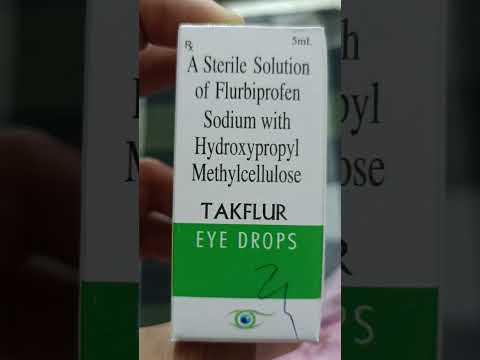
Have you ever been bothered by itchy eyes or intense discomfort from allergies? You’re not alone. Many people find themselves reaching for eye drops to find relief. One such option is Flurbiprofen Sodium Drops. But what exactly are they, and how do they work?
This article will help you understand Flurbiprofen Sodium Drops—what they’re used for, how they function, and the potential side effects that could come with them. We’ve all been there, feeling overwhelmed by health information. So let’s break it down together.
You see, Flurbiprofen is a nonsteroidal anti-inflammatory drug (NSAID), primarily known for its ability to reduce swelling and pain. This means it’s commonly used for conditions like allergic conjunctivitis. Understanding these drops could really make a difference in your day-to-day life.
Of course, while this article aims to provide useful insights, it’s important to remember that it doesn’t replace professional medical advice. Always consult with your healthcare provider before making decisions about any medication.
Discover the Healing Benefits of Flurbiprofen Eye Drops for Your Eye Health
Understanding Flurbiprofen Eye Drops
Flurbiprofen eye drops are a type of medication used mainly to reduce inflammation in the eyes. They belong to a class of drugs called non-steroidal anti-inflammatory drugs (NSAIDs). Think about how you might take ibuprofen for a headache—it’s similar, but for your eyes.
Common Uses
These drops are often prescribed for conditions like allergic conjunctivitis or after cataract surgery. They help soothe irritation and redness. Picture your eyes feeling irritated after staring at a screen too long—these drops can help calm that down.
How It Works
Flurbiprofen works by blocking certain chemicals in the body that cause inflammation and pain. Imagine it as putting out a small fire before it spreads. By stopping those inflammatory substances, your eye feel more comfortable.
Side Effects to Consider
- Irritation: Some people might feel stinging or burning when they first use the drops.
- Redness: Oddly enough, while they treat redness, some might temporarily increase it.
- Dried Eyes: You know how sometimes your skin feels dry? Your eyes can feel similar with these drops.
- Sensitivity: There may be increased sensitivity to light for some users.
A Few Important Notes
If you’ve had an allergic reaction to similar medications before, it’s crucial to talk with someone knowledgeable before using flurbiprofen eye drops. Also, avoid wearing contact lenses while using them because they can get really irritating if there’s any residue from the drop left on your lens.
The Right Way to Use Them
You’ll generally want to put one or two drops in each affected eye as instructed by a professional. It’s kinda like giving your eyes just what they need when they’re not feeling well. And make sure not too touch the dropper tip against anything—that could lead to contamination!
Your Overall Eye Health Matters
A healthy lifestyle plays an important role in maintaining good eye health too! Eating foods rich in vitamins A and C can help protect your vision over time. So while flurbiprofen is there for when things get tough, consistent care is key.
The Bottom Line
Meds like flurbiprofen eye drops can offer relief during those annoying moments of eye discomfort, but knowing how and when to use them is essential. Everyone’s experience might vary! Always keep communication open with healthcare providers about any concerns or questions you have about their use.
What You Need to Know Before Using Flurbiprofen Eye Drops
What are Flurbiprofen Eye Drops?
Flurbiprofen eye drops are a nonsteroidal anti-inflammatory medication. They’re primarily used to reduce inflammation and pain in the eyes. You might come across them if you have undergone eye surgery or dealing with certain eye conditions.
Why would someone use these drops?
The main reason for using flurbiprofen drops is their ability to relieve discomfort caused by inflammation. For instance, after cataract surgery, doctors may recommend these drops to help manage post-operative pain.
How do they work?
These drops block the production of substances in the body called prostaglandins. Prostaglandins are responsible for pain and swelling. Think of them like tiny alarm systems that ring when there’s an injury; flurbiprofen silences those alarms, helping you feel more comfortable.
Are there side effects?
Like all medications, flurbiprofen can have side effects. Common ones include stinging or burning in the eyes right after using the drop. Some people might also notice blurred vision temporarily.
More serious side effects could include redness or itching of the eyes. If you experience any unusual symptoms, it’s best to check with a healthcare professional.
Who should avoid these drops?
If you’re allergic to flurbiprofen or other similar medications, it’s a good idea to steer clear of these drops. Also, those with certain pre-existing eye conditions should consult their healthcare provider before using them.
Can I use other eye products at the same time?
If you’re considering combining flurbiprofen with other eye products like artificial tears or different medicated drops, timing is crucial. Wait at least 5-15 minutes between applications to ensure each one works effectively and doesn’t wash out each other.
How do I administer them properly?
- Wash your hands before handling the bottle.
- Tilt your head back slightly and pull down on your lower eyelid.
- Squeeze out one drop into the pocket created by your eyelid.
- Avoid touching the dropper tip to prevent contamination.
A Couple of Tips
If you find it difficult to keep your eyes open after putting a drop in, try closing them gently for a minute or so—this helps absorb the medication better!
You should also remember that while discomfort from inflammation can be annoying, treating it with medications like flurbiprofen requires following directions closely for best results without overwhelming your system.
An Important Reminder
No medication is totally risk-free; understanding what you’re putting into your body is key! Keep an open dialogue with healthcare providers about any concerns or questions you might have regarding Flurbiprofen eye drops or related treatments—it’s always okay project any doubts!
Discover How Ibuprofen Eye Drops Can Alleviate Discomfort and Enhance Eye Health
Understanding Flurbiprofen Sodium Drops
Hey, let’s talk a bit about flurbiprofen sodium drops. These are a type of eye drop that can help reduce inflammation and relieve discomfort in the eyes. They’re often used after eye surgeries or for certain conditions that cause eye pain.
What are Ibuprofen Eye Drops?
Iburprofen eye drops, which include flurbiprofen, generally belong to a class of drugs called nonsteroidal anti-inflammatory drugs (NSAIDs). Just like taking an ibuprofen pill can ease pain and swelling in your body, these drops help with problems specifically related to your eyes.
How Do They Work?
The thing is, inflammation in the eye can lead to discomfort and even affect vision. When you use these drops, they work locally. This means they target the specific area where the irritation is happening without affecting the rest of your body too much.
Uses of Flurbiprofen Eye Drops
You might be wondering when exactly you’d use these drops. Commonly, they’re prescribed following surgical procedures like cataract surgery or corneal transplants. Basically, they help keep pain levels down and promote healing.
Potential Side Effects
No medication comes without potential side effects. With flurbiprofen sodium drops, some people might experience stinging or burning when they first use them. Others could see redness or watering in their eyes. It’s not super common but it can happen.
Who Should Avoid Them?
If you have a known allergy to NSAIDs or any component of the drop itself—you know—best steer clear! Always check with someone who can give you solid advice before starting any new medication.
Real-Life Analogy
Think of your eyes like a garden: if there’s a weed—let’s say inflammation—you want to remove it without harming the good plants around it (your healthy eye cells). Flurbiprofen targets just that weed! It helps maintain balance.
Important Points to Remember
- If symptoms persist despite using flurbiprofen droplets, consult an expert for further evaluation.
- The exact reason for discomfort should always be identified for proper treatment.
- Droplets should only be used as directed; more isn’t always better!
Understanding Flurbiprofen Sodium Drops: Uses and Side Effects
Flurbiprofen sodium drops are a medication mostly used in the treatment of eye conditions. You might come across it if you need relief from inflammation after eye surgery or if you have specific chronic conditions like uveitis. It’s essentially a nonsteroidal anti-inflammatory drug (NSAID), which means it helps reduce pain and swelling.
When considering flurbiprofen, it’s important to understand its application. It’s typically administered directly to the eye, and the effects can usually be felt quickly, providing almost immediate relief. One often thinks of it like putting on a soothing gel on a sunburn—targeted and effective.
Common Uses
- The management of post-operative inflammation.
- Treatment for certain types of ocular inflammation.
- Pain relief during certain ocular surgical procedures.
Potential Side Effects
However, like any medication, flurbiprofen isn’t without potential side effects. Some users may experience eye discomfort, redness, or even blurred vision temporarily. In rare cases, more severe reactions could happen such as sensitivity to light or deeper issues with vision. It’s crucial to monitor how your body reacts after using these drops.
If you’ve ever taken aspirin for a headache but found that it upset your stomach, think about how some people might feel with flurbiprofen: effective but possibly leading to minor inconveniences along the way.
Cautions
This medication is not suitable for everyone; for instance, those with certain allergies or existing eye conditions should approach with caution. Always having an open conversation with your healthcare provider about your history will help mitigate risks associated with new medications.
Overall, understanding flurbiprofen sodium drops helps demystify their role in treating various conditions while highlighting why it’s essential to be aware of their use and potential side effects. Knowledge empowers informed decisions regarding our health choices!