The information provided in this article is intended solely for general informational and educational purposes. It does not constitute medical advice, diagnosis or professional treatment, and should not be considered a substitute for consultation with a qualified doctor or other licensed healthcare professional. Any health-related decisions should be made in consultation with accredited medical professionals.
While efforts have been made to ensure the information is accurate and up to date, no guarantees are given—either express or implied—regarding its accuracy, completeness, currency or suitability. Use of this information is at your own discretion.
It is strongly recommended to consult official sources such as the NHS (National Health Service) or other recognised medical institutions before acting on any information contained on this website or article. Under no circumstances should professional medical advice be ignored or delayed due to content read here.
This content is of a general and informational nature only. It is not intended to replace individualised guidance from a healthcare professional or to establish any doctor-patient relationship. The publication of this information does not imply any professional responsibility, guarantee or obligation on the part of the author or this site.
Ever felt that achy feeling in your hip or lower back after a long day on your feet? You’re not alone. Many people overlook the gluteus medius, a muscle that plays a major role in our daily activities. This little powerhouse helps stabilize our pelvis when we walk, run, or even stand on one leg. It’s essential for maintaining balance and proper movement.
In this article, we’ll dive into understanding the gluteus medius: its function, why it matters, and how to care for it. You might be surprised at how much impact this muscle has on overall mobility and lower body strength.
Whether you’re an athlete or just someone trying to make it through everyday tasks without discomfort, recognizing the role of the gluteus medius can help you improve your quality of life. We’ll talk about simple exercises to strengthen it and tips to prevent injury.
Remember, though—this article is meant for informational purposes only and shouldn’t replace medical advice. Always consult a healthcare professional before making any decisions regarding your health.
Unlock Your Strongest Lower Body with Targeted Gluteus Medius Workouts
Understanding Gluteus Medius: Function and Care Essentials
Hey there! Let’s chat about the gluteus medius, that often-overlooked muscle in your butt. It’s super important for how you move. Think of it as a stabilizing shield for your pelvis. When you walk or run, it keeps your hips level, which is crucial to prevent injuries.
So, what does the gluteus medius actually do? Well, its primary role is to help with hip abduction and stabilization. In simpler terms, it helps you lift your leg out to the side and keeps everything steady when you’re on one leg—like when you’re tying your shoes or standing on one foot.
The Importance of Strengthening the Gluteus Medius
Having a strong gluteus medius is key for athletes and non-athletes alike. A weak or tight glute may contribute to knee pain, hip issues, or even lower back discomfort. Ever heard someone say they have runner’s knee? Sometimes that’s linked back to weaknesses in this area.
You might be wondering how to care for this muscle effectively. Targeted workouts can help a lot. Exercises like lateral band walks, clamshells, and single-leg deadlifts are fantastic choices. They focus on building strength without straining other muscles too much.
- Lateral band walks: Great for really firing up those outer hips.
- Clamshells: Perfect if you’re looking to engage the glutes with good form.
- Single-leg deadlifts: This one’s awesome for balance too!
Caring For Your Gluteus Medius
It’s not just about exercise though; recovery matters too! Stretching the glutes can help maintain flexibility. Also try foam rolling those areas that feel tight after a workout—it feels good!
Look out for signs that your gluteues medius might be asking for attention—like pain during certain activities or feeling weak when trying to stand on one leg. That’s an indication it may need some love through workouts or stretching.
A Common Misconception
You might hear that strong legs mean just working quadriceps (the big muscles in front of your thighs). While quads are important—they tend to steal the spotlight sometimes—ignoring those behind you can lead to imbalances over time.
An accurate approach focuses on developing all aspects of strength in your legs—including hamstrings and indeed the gluteus medius—as part of a balanced workout routine.
Your Next Steps
If you’re ready to start incorporating these insights into workouts, remember gradual progress is key! Don’t rush—it’s about building consistency over time while listening to what your body tells you.
Your lower body deserves attention; give it what it needs through well-rounded exercises focusing on all muscles involved! With patience and care towards strengthening this crucial muscle group you’ll likely notice improvements not just in performance but overall comfort in day-to-day activities too!
Unlocking the Secrets of Your Body’s Hidden Muscle
Understanding the Gluteus Medius
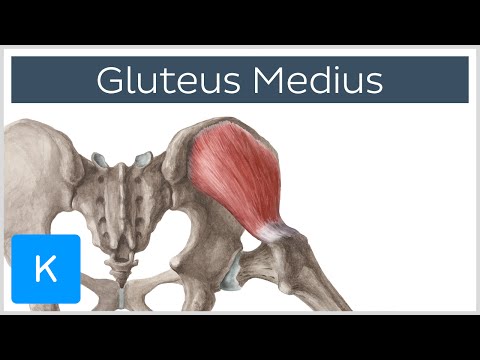
The gluteus medius is a muscle located on the outside of your hip. It’s like a little superhero for your body, helping with stability and movement. When you walk, run, or even stand on one leg, this muscle plays a key role. You might not see it at first, but it has big responsibilities.
Function of the Gluteus Medius
Its main job? Keeping your pelvis level during activities. Think about when you walk down the street. Each time one foot leaves the ground, the gluteus medius helps keep your hips balanced. If it’s weak or not working well, you may notice some wobbles in your walk.
This muscle also assists in moving your legs out to the side and rotating them inward. So, if you’re dancing or even just stretching, you’ll be thankful for it!
Caring for Your Gluteus Medius
Like any other muscle, keeping the gluteus medius strong is important. Engaging in exercises that target this area can make a difference. You might consider lateral band walks or side lunges as good starters.
- Lateral Band Walks: Place a resistance band around your thighs and take small steps sideways.
- Side Lunges: Step to one side and push back up through your heel to engage those muscles.
You know? Stretching is also vital! Tight muscles can lead to discomfort and pain over time.
Avoiding Common Issues
If you don’t take care of the gluteus medius, problems can arise. Weakness here could lead to knee pain or lower back issues since everything is connected in your body.
Also important: pay attention to how you feel during physical activities. If something seems off—maybe an ache or unusual tightness—it’s worth looking into more closely.
The Bottom Line
The gluteus medius is more than just another muscle; it’s crucial for overall mobility and stability. By understanding its function and taking care of it with proper exercises and stretches, you’re investing in better movement now and later on.
So next time you’re working out or enjoying a stroll in the park—remember that little muscle helping you every step of the way!
Unleashing the Power of Your Hip Muscles
Understanding the Gluteus Medius
The gluteus medius is one of the key muscles in your hip. It lies on the outer side of your hip, right under your skin. Think of it like a stabilizer for your body, helping you maintain balance when you walk, run, or even stand. When this muscle is strong, you move more efficiently.
So, what does it actually do? The gluteus medius primarily helps with hip abduction. That means it pulls your leg away from the midline of your body. But it also plays a role in rotating your thigh and stabilizing your pelvis during movement. If you’ve ever watched a dancer or an athlete move gracefully, you can bet their gluteus medius is working hard!
Why Is It Important?
A strong gluteus medius contributes to overall hip health and function. If it’s weak or not functioning well, you might notice issues like lower back pain or knee problems. Imagine trying to balance on a seesaw: if one side is heavier (or weaker), things get tricky.
Weakness in this muscle can lead to poor walking patterns or overuse of other muscles that aren’t made for heavy lifting or stabilization. It’s like trying to build a house on an unsteady foundation; it’ll just lead to problems down the road.
Caring for Your Gluteus Medius
Caring for this muscle includes exercise and stretching routines aimed at strengthening it while ensuring flexibility too. Simple exercises like clamshells and lateral leg raises can help boost strength without needing fancy gym equipment.
- Clamshells: Lie on your side with knees bent and feet together. Lift your top knee while keeping feet together.
- Lateral Leg Raises: While lying on one side, lift the top leg straight up without bending at the knee.
You shouldn’t ignore stretching either! Stretching helps prevent tightness that can restrict movement. Think about how stiff a rubber band gets after being stretched too much; that’s similar to what happens in our muscles when we don’t stretch them regularly.
Signs Your Gluteus Medius Needs Attention
If you’re experiencing pain in your hips, knees, or even lower back while engaging in daily activities, it’s worth paying attention to your grluteal muscles—especially the gluteus medius! Also, if you’re tripping while walking or feel unsteady at times, this could indicate weakness.
The Takeaway
Your gluteus medius may be small compared to some other muscles but its function is huge! By taking steps to strengthen and care for it through targeted exercises and healthy movement habits, you’re building resilience against injury and discomfort in everyday life. So next time you move around—whether dancing at a party or just walking down the street—remember how important that little muscle really is!
Understanding Gluteus Medius: Function and Care Essentials
The gluteus medius is one of three major muscles in the buttocks. You know, it plays a crucial role in stabilizing the pelvis, especially during activities like walking or running. Essentially, this muscle helps keep us upright and balanced.
If you think about it, imagine a tightrope walker. Their stability comes from engaging their gluteus medius as they shift weight from one foot to the other. Without a strong gluteus medius, this balance would be much harder to maintain.
In terms of function, the gluteus medius is responsible for hip abduction. That means it helps lift your leg away from your body and also assists with hip rotation. You might notice that when you climb stairs or get up from a chair, this muscle springs into action.
Now, neglecting your gluteus medius can lead to various issues like hip pain or even lower back discomfort. Weakness here often contributes to injuries in other areas—like knees or hips—because other muscles have to compensate for its lack of strength.
So how do we care for the gluteus medius? Strengthening exercises are key. Think lunges, clamshells or leg raises—these really activate that muscle group. Stretching is equally important; tightness can restrict movement and lead to discomfort.
Overall, keeping an eye on your gluteus medius is essential not just for athletes but for anyone who wants to maintain overall body health. Small changes in routine can make a big difference over time.