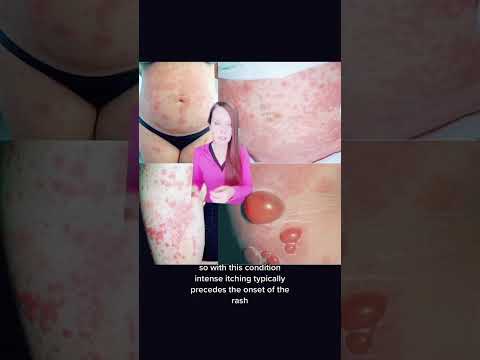
Grover’s disease may sound unfamiliar, but it affects many people. This skin condition can cause discomfort and confusion, making it essential for us to understand it better. Imagine your skin is like a peaceful lake, but suddenly, ripples disturb its calmness. That’s how Grover’s disease can feel—unexpected and unsettling.
It often appears as small red or brown spots on the skin, usually on the chest and back. While it may seem minor, recognizing symptoms early is key to managing its effects. Treatments can vary significantly from topical creams to other therapies, depending on the severity of the condition.
However, exploring medical topics can be overwhelming with so much information available today. It’s crucial to seek guidance from various specialists and trustworthy sources. Each person’s experience with Grover’s disease may differ; therefore, relying on diverse perspectives will help you make informed health choices. Always approach health information with a healthy dose of skepticism and curiosity—your skin deserves it!
The information provided in this article is intended solely for general informational and educational purposes. It does not constitute medical advice, diagnosis or professional treatment, and should not be considered a substitute for consultation with a qualified doctor or other licensed healthcare professional. Any health-related decisions should be made in consultation with accredited medical professionals.
While efforts have been made to ensure the information is accurate and up to date, no guarantees are given—either express or implied—regarding its accuracy, completeness, currency or suitability. Use of this information is at your own discretion.
It is strongly recommended to consult official sources such as the NHS (National Health Service) or other recognised medical institutions before acting on any information contained on this website or article. Under no circumstances should professional medical advice be ignored or delayed due to content read here.
This content is of a general and informational nature only. It is not intended to replace individualised guidance from a healthcare professional or to establish any doctor-patient relationship. The publication of this information does not imply any professional responsibility, guarantee or obligation on the part of the author or this site.
Discover Effective Solutions for Managing Grover’s Disease
Grover’s Disease is a skin condition that primarily affects men, particularly those over 50. It’s characterized by itchy red spots or bumps on the skin, often found on the chest and back. Understanding this disease is important for effective management.
The exact cause of Grover’s Disease isn’t known. Some studies suggest it may be linked to sun exposure, sweating, or certain medications. It’s like your skin sending a little alarm when something irritates it.
Symptoms can vary from person to person. Common signs include:
While there’s no one-size-fits-all treatment, several strategies can help manage the symptoms. Here are some effective solutions you can consider:
In more severe cases, a healthcare provider might recommend stronger treatments such as prescription creams or phototherapy.
It’s also important to practice good skin care. Gentle cleansing and using fragrance-free products can prevent additional irritation.
Staying informed is key to managing Grover’s Disease effectively. You don’t have to navigate this alone; discussing your concerns with a healthcare provider can provide you with personalized advice.
Always remember that everyone’s experience with Grover’s Disease is unique. What works for one person may not work for another, so exploring different approaches might take time.
Being proactive about your health is essential. With appropriate management strategies in place, many people find relief from the symptoms associated with Grover’s Disease and lead comfortable lives despite this condition.
Finding the Perfect Moisturizer for Skin Comfort and Relief
Finding the right moisturizer can be a game-changer, especially for those dealing with skin conditions like Grover’s disease. Understanding the characteristics of moisturizers helps you choose wisely.
Moisturizers help keep the skin hydrated and create a barrier against irritants. They are essential in managing dryness or discomfort associated with skin conditions.
When selecting a moisturizer, consider these key factors:
Some people find that richer creams provide relief when their skin feels tight or itchy. It’s like giving your skin a protective hug.
Also, pay attention to how your skin responds over time. If it seems worse after using a product, it might not be the right fit.
Test products first on a small area of your skin before full application. This patch test can help prevent adverse reactions.
Keeping your moisturizer handy after bathing can also be helpful. Applying it while your skin is still damp maximizes hydration.
Lastly, remember that everyone’s skin is unique. What works wonders for one person may not suit another. Exploring different brands and types can help you find what truly comforts your skin.
Educating yourself about moisturizers empowers you to make better choices that support your skin health journey without relying solely on treatments for conditions like Grover’s disease. Always consult with healthcare professionals before making significant changes to your skincare routine.
Uncovering Similarities: Conditions That Mimic Grovers Disease
Grover’s Disease, also known as transient acantholytic dermatosis, is a skin condition that can cause itchy, red spots. However, several other skin conditions can mimic its symptoms. Understanding these similarities can be really helpful.
Here are some common conditions that may resemble Grover’s Disease:
Determining what skin condition you have is important for effective treatment. A thorough examination by a healthcare professional is often necessary for accurate diagnosis.
In some cases, people may jump to conclusions based on limited information online or through friends’ advice. This can lead to misdiagnosis, which might worsen symptoms instead of helping them.
Remember that even if two conditions appear similar at first glance, their underlying causes and treatments could be quite different. Always consult with a healthcare provider if you notice unusual changes in your skin.
Research continues to uncover more about Grover’s Disease and its mimics. Staying informed helps you make better health decisions for yourself or your loved ones!
Grover’s Disease, also known as transient acantholytic dermatosis, is a skin condition that can lead to confusion and concern for those affected. Understanding its symptoms and treatments is crucial for both patients and healthcare providers.
The primary symptom of Grover’s Disease is the appearance of small, red or brown spots on the skin, often accompanied by itching. These lesions typically appear on the chest and back but can also occur elsewhere. It’s common for individuals to initially mistake it for other skin conditions, which emphasizes the need for accurate diagnosis.
The exact cause of Grover’s Disease remains unclear, but factors like heat, sweating, and sun exposure seem to contribute. This unpredictability can make the condition frustrating. However, understanding that it is often self-limiting offers some relief.
Treatment options vary based on severity. Topical corticosteroids may help reduce inflammation and itching. In more persistent cases, dermatologists may recommend phototherapy or other prescription medications.
Key takeaways:
Being informed empowers individuals with Grover’s Disease to seek appropriate care while alleviating unnecessary worry. An empathetic approach from caregivers further enhances this journey toward understanding and management.