The information provided in this article is intended solely for general informational and educational purposes. It does not constitute medical advice, diagnosis or professional treatment, and should not be considered a substitute for consultation with a qualified doctor or other licensed healthcare professional. Any health-related decisions should be made in consultation with accredited medical professionals.
While efforts have been made to ensure the information is accurate and up to date, no guarantees are given—either express or implied—regarding its accuracy, completeness, currency or suitability. Use of this information is at your own discretion.
It is strongly recommended to consult official sources such as the NHS (National Health Service) or other recognised medical institutions before acting on any information contained on this website or article. Under no circumstances should professional medical advice be ignored or delayed due to content read here.
This content is of a general and informational nature only. It is not intended to replace individualised guidance from a healthcare professional or to establish any doctor-patient relationship. The publication of this information does not imply any professional responsibility, guarantee or obligation on the part of the author or this site.
Have you ever thought about the hidden dangers lurking in everyday items? Heavy metal poisoning might sound like something out of a sci-fi movie, but it’s more common than you think. From lead in old pipes to mercury in certain fish, these metals can quietly sneak into our lives.
Understanding heavy metal poisoning is really important. It can affect anyone—adults, kids, even pets. You might experience symptoms that range from headaches and confusion to serious health issues like kidney damage. Yeah, it can get serious.
This article will break down what heavy metal poisoning is all about—its symptoms and how it can be treated. We’ll tackle how these metals affect your body and share some real-life examples to make it relatable. The more you know, the better prepared you’ll be.
Remember though, while this information is valuable, it’s always essential to consult a healthcare professional for any health concerns. Don’t rely solely on this article for making decisions about your wellbeing.
Uncovering the Hidden Signs of Toxic Exposure
Understanding Heavy Metal Poisoning
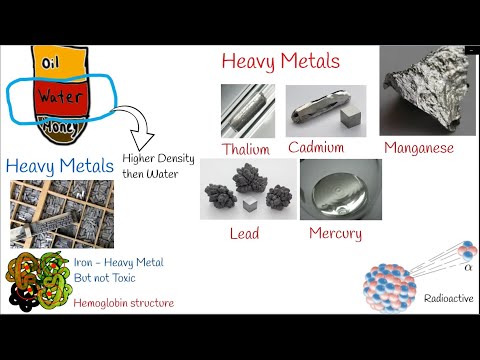
Heavy metal poisoning happens when you’re exposed to metals like lead, mercury, cadmium, or arsenic. These elements can be harmful even in small amounts. They usually get into your body through contaminated food, water or air.
Common Symptoms
So, how do you know if you might have heavy metal poisoning? Symptoms can vary widely but often include:
- Fatigue and weakness
- Nausea or vomiting
- Headaches
- Dizziness
- Tingling in hands and feet
- Mood changes like anxiety or irritability
It’s interesting to note that sometimes these symptoms are pretty general. You might just feel “off” without knowing why.
Hidden Signs of Toxic Exposure
You might not notice some signs right away. For example, if you’ve got unexplained stomach cramps that don’t go away, it could be worth looking closer at your environment.
Sometimes people experience cognitive issues like memory problems or confusion. This is often overlooked. It’s easy to dismiss them as just stress or aging.
Testing for Poisoning
If you suspect heavy metal poisoning, doctors usually conduct blood tests to measure levels of these metals in your system. Sometimes urine tests are also used because they can show how much metal has been excreted from the body.
Treatment Options
Treatment generally involves removing the source of exposure—like getting rid of lead pipes in a home. But that’s just one step.
Chelation therapy is another method used often. This involves administering medications that bind to heavy metals in the body so they can be excreted more easily. However, this treatment isn’t suitable for everyone and should always be guided by a healthcare professional.
Avoiding Exposure
You know? Prevention is key! Ensuring your living space is safe is crucial—especially if you live near industries known for pollution or have old paint which may contain lead.
- Test drinking water for contaminants.
- Avoid certain fish known to accumulate mercury.
- If renovating your home, watch out for older materials that may contain hazardous substances.
Remember, being proactive about your health can make a big difference!
Uncovering the Hidden Impact of Heavy Metals on Brain Health
Understanding Heavy Metals
Heavy metals like lead, mercury, and cadmium can sneak into our lives in surprising ways. They might come from contaminated water, old paint, or even certain seafood. The thing is, even tiny amounts can have a serious impact on our brains.
How Do They Affect Brain Health?
You see, heavy metals often disrupt normal brain function. For example, lead exposure has been linked to cognitive decline. It’s like trying to run your computer with a virus; it just doesn’t work right. Symptoms can range from headaches and fatigue to more severe issues like memory problems.
Recognizing the Symptoms
Spotting heavy metal poisoning isn’t always straightforward. Common signs include:
- Confusion or difficulty concentrating
- Irritability and mood swings
- Sleep disturbances
- Tingling or numbness in limbs
If you notice these things showing up more often than usual, that’s a cue to consider environmental factors.
The Role of Testing
If you suspect heavy metal exposure, testing is important. Doctors usually do blood tests for metals like lead and mercury. These tests help determine if there’s an issue that needs addressing.
Treatments Available
When it comes to treating heavy metal poisoning, chelation therapy is a common approach. This process involves using medication that binds the metals so they can be removed from the body more easily. It’s kinda like using a magnet to pull out harmful scraps from your car engine.
Avoiding Exposure
Avoiding high-risk situations is key if you want to protect yourself. For example:
- Check for lead in homes built before 1978.
- Select seafood low in mercury like shrimp or catfish.
- Avoid using clay cookware that might contain cadmium.
Final Thoughts on Heavy Metals and Brain Health
The hidden impact of heavy metals on brain health can’t be overlooked. Although these substances are sometimes invisible threats around us, awareness goes a long way in prevention and treatment.
If you ever feel something’s off with your health after possible exposure—it’s smart to reach out for professional guidance instead of ignoring your instincts!
Unmasking the Hidden Dangers Within: Recognizing the Signs of Heavy Metal Poisoning in Adults
Understanding Heavy Metal Poisoning
Heavy metal poisoning happens when there’s too much lead, mercury, cadmium, or arsenic in the body. These metals can hurt you in various ways because they interfere with normal body functions. Sometimes you might not even know it’s happening until you’re feeling pretty unwell.
Common Sources of Exposure
- Old paint and plumbing can have lead.
- Certain kinds of fish are high in mercury.
- Cadmium is often found in batteries and certain industrial processes.
- Pesticides may contain arsenic.
You see, we come into contact with these metals through our environment, work, or even some consumer products. It’s easy to underestimate their presence. But being aware is key; awareness leads to prevention.
Recognizing Symptoms
The symptoms of heavy metal poisoning can be vague and vary depending on which metal is involved. For example, lead poisoning might cause fatigue and mood changes. Mercury exposure could lead to tremors or memory issues.
- Nausea and vomiting are common signs.
- You may experience headaches that won’t go away easily.
- Mood swings aren’t unusual either—feeling depressed? It could be more than just life stress.
If you’re itching for clarity—having several of these symptoms doesn’t automatically mean you’re poisoned, but it’s worth checking in with health care proffessionals if things don’t seem right for an extended period.
Diagnosis and Treatment Options
If someone suspects heavy metal poisoning, doctors usually perform blood tests to measure levels of these metals. Sometimes urine tests help too. But don’t wait around; early detection really matters here!
- Treatment often involves removing the source of exposure first—so avoiding contaminated water or food is a big step.
- Chelation therapy is a common method where medications are used to help remove metals from the body—think of it as cleaning out your system!
This treatment isn’t without risks though; it should only be done under medical supervision because it can cause side effects like dehydration or even kidney damage if not managed properly.
Myths About Heavy Metal Poisoning
A lot of misconceptions float around about heavy metals. Some people think that just eating certain foods can rid your body of these toxins magically—that’s simply not true! Your body needs time to heal naturally after proper treatment; it’s no race against time!
- No one-size-fits-all solution exists for detoxifying from heavy metals; everyone’s situation differs based on numerous factors like health condition and level of exposure.
- Avoid falling for quick detoxification products—they often lack evidence-based backing.
The bottom line? Awareness and critical thinking go a long way when it comes to understanding heavy metal poisoning in adults. If you have any concerns about symptoms or potential exposure, reaching out for professional help is always a smart move! Taking proactive steps today could make all the difference tomorrow!
Understanding Heavy Metal Poisoning: Symptoms and Treatments
Heavy metal poisoning is a serious health issue, often arising from exposure to metals like lead, mercury, cadmium, and arsenic. It’s not just found in industrial settings; sometimes it sneaks into our environment through contaminated food and water. Imagine lead in old paint or mercury from certain fish—these things can cause significant harm over time.
The symptoms of heavy metal poisoning can be quite varied and depend on the specific metal involved. For instance, lead poisoning may cause developmental delays in children or cognitive issues in adults. Mercury exposure, on the other hand, can lead to neurological problems and even mood changes. It’s tricky since these symptoms often overlap with other conditions.
Treatment for heavy metal poisoning typically involves detoxification or chelation therapy. The idea is to remove the harmful metals from the body safely. Chelation therapy uses medications that bond with heavy metals, allowing your body to excrete them through urine. Sounds complex, right? But it’s like having a special key that unlocks the door to get rid of toxins.
Monitoring and prevention are equally important aspects. Regular check-ups can help catch high levels early before they become more serious. Additionally, being aware of sources of heavy metals—like avoiding certain fish or checking for lead in older homes—is crucial.
This area of medicine is continually evolving as we learn more about how to identify risks and improve treatments. If you’re concerned about any potential exposure, talk with a healthcare professional who can offer personalized advice.