The information provided in this article is intended solely for general informational and educational purposes. It does not constitute medical advice, diagnosis or professional treatment, and should not be considered a substitute for consultation with a qualified doctor or other licensed healthcare professional. Any health-related decisions should be made in consultation with accredited medical professionals.
While efforts have been made to ensure the information is accurate and up to date, no guarantees are given—either express or implied—regarding its accuracy, completeness, currency or suitability. Use of this information is at your own discretion.
It is strongly recommended to consult official sources such as the NHS (National Health Service) or other recognised medical institutions before acting on any information contained on this website or article. Under no circumstances should professional medical advice be ignored or delayed due to content read here.
This content is of a general and informational nature only. It is not intended to replace individualised guidance from a healthcare professional or to establish any doctor-patient relationship. The publication of this information does not imply any professional responsibility, guarantee or obligation on the part of the author or this site.
Understanding How Ballet Dancing Impacts Foot Health
Ever thought about what happens to your feet when you dance? You might be surprised to know that ballet can actually transform not only your posture but also your foot health.
Ballet is beautiful, intricate, and demands a lot from our bodies. It’s not just about elegance; it’s about strength and flexibility. Yet, as stunning as it is, it can also put a strain on those delicate bones and muscles in your feet.
You see, our feet absorb all the pressure from jumping and landing. That’s a lot of wear and tear! But don’t worry! With proper care, many dancers manage their foot health while pursuing their passion.
This article will explore how ballet dancing affects foot health—both positively and negatively. We’ll dive into common issues dancers face and ways to protect those precious feet of yours. By understanding these impacts, you can enjoy dancing while keeping your feet happy.
Of course, remember this content doesn’t replace professional medical advice. Always consult a healthcare professional for personal health decisions.
Transforming Beauty: The Journey of Ballet Feet
Ballet dancing is often seen as the epitome of grace and beauty. But, have you ever thought about how it impacts foot health? It’s quite the journey, really.
The Demands of Ballet
Ballet requires a lot from the feet. Dancers spend hours on their toes, literally! This can lead to some unique changes in foot structure and function.
Consider this: a dancer’s foot has to be strong yet flexible. It has to adapt to various positions while maintaining balance. That’s no small feat!
Common Changes in Foot Structure
Over time, ballet dancers might notice changes like flatter arches or even bunions. A bunion is that bony bump on the side of your big toe—ouch! These happen because of repetitive stress and tight shoes.
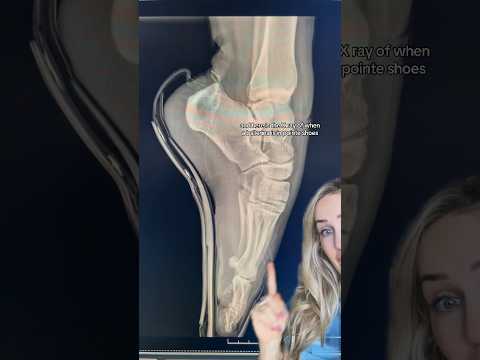
If you think about it, wearing pointe shoes—which are hard and snug—puts extra pressure on the toes. It’s like cramming your feet into tiny boxes for hours!
Foot Strength and Flexibility
Despite these challenges, ballet can also make feet stronger. Dancing promotes muscle conditioning throughout the foot and ankle.
This strengthening might help prevent certain injuries if done properly. It’s important for dancers to warm up well before classes or performances; it’s kind of like preparing an athlete before a game.
The Role of Proper Footwear
You know how shoes can totally change how your feet feel? In ballet, proper footwear is crucial. Pointe shoes should fit just right—not too tight or too loose—and allow movement without causing harm.
Dancers often work closely with professionals when choosing their shoes. This ensures they get the best support possible.
Caring for Ballet Feet
Dancers need to care for their feet just like athletes do with any part of their bodies. Stretching and strengthening exercises can go a long way in maintaining healthy dance feet.
- Stretch regularly after classes to maintain flexibility.
- Massage your feet after dancing; this can help alleviate tension.
- Pamper those toes with good skin care—no one wants dry or cracking skin!
The Balance Between Artistry and Health
Ballet is not just about looking pretty; it’s also about taking care of oneself while pursuing art. Balancing technique with health awareness is key for any dancer.
If you think about it, every time they dance, they’re telling a story through their movements—and that story shouldn’t come at the cost of their physical wellbeing.
A Final Thought
You see, transforming beauty through ballet isn’t just an external process; it’s internal as well. Dancers embody grace while navigating potential challenges in foot health along the way.
Their journey reminds us all that beauty comes in many forms, including how we take care our bodies—and those beautiful ballet feet deserve all the love!
The Hidden Struggles Behind Graceful Dances
Ballet is a beautiful art form. It combines strength, grace, and precision. But behind the elegance, there are real physical challenges—especially for the feet. Let’s dive into how ballet dancing impacts foot health.
Foot Anatomy 101
Your foot has many parts: bones, muscles, tendons, and ligaments. They all work together to support your body’s weight and allow for movement. Now imagine putting your feet in pointe shoes—this is where things get tricky. Pointe shoes force the dancer’s foot into a specific position that can lead to all sorts of issues.
Common Foot Problems in Ballet
- Blisters: Friction from shoes can cause blisters.
- Corns and Calluses: These are thick patches of skin that develop as a protective response to pressure.
- Stress Fractures: Repeated stress on bones may lead to tiny cracks.
- Tendonitis: Overworking the tendons can cause pain and inflammation.
- Flat Feet or High Arches: Ballet often exacerbates existing foot conditions.
You might wonder why dancers choose to keep performing despite these challenges. For many, it’s about passion and dedication. But this passion does come with risks for foot health.
The Role of Footwear
Pointe shoes are designed specifically for ballet performance. They provide support but also put lots of strain on the feet. The rigid structure forces the dancer’s toes into a confined space, which can lead to discomfort or injury over time.
The thing is, while dancers need strong supportive footwear, they also have to balance that with mobility. It’s like walking a tightrope—you want stability but also flexibility!
Caring for Dancer’s Feet
Dancers often develop routines for foot care. This includes stretching and strengthening exercises aimed at preventing injuries or easing existing pain.
Some opt for ice packs after practice or massages to soothe sore spots—especially around those hard-working arches! It’s all about finding what helps without taking away from performance.
A Pathway Toward Awareness
Mental health plays an important role too, you know? With injuries come doubts about performance abilities which can be tough on self-esteem—and that only adds stress.
Talking openly about these struggles helps break down barriers. More awareness around foot health in ballet could lead to better practices—for both current dancers and future generations! It’s crucial we start paying attention here!
A Final Note on Balance
Ballet dancing is more than just dancing; it involves understanding one’s body—the good and bad aspects alike! Balancing beauty with safety isn’t always easy.
So next time you watch a performance, remember there are real challenges behind those graceful movements! Dancers’ dedication deserves recognition—not just applause—but also respect for their sacrifices along the way.
The Untold Stories of Grace and Resilience
The Connection Between Ballet and Foot Health
Hey there! Ballet is not just art; it’s athleticism, discipline, and expression. But along with the gracefulness it brings, ballet can have some significant impacts on foot health. Let’s explore that a bit.
High Demands of Ballet
Ballet dancers are often praised for their strength and flexibility. However, the physical demands of dancing can be tough on the feet. Think of your feet as the foundation of a building. If the foundation isn’t strong, everything else can suffer.
- Repetitive movements like turning and jumping put stress on foot muscles.
- The shoes used in ballet, known as pointe shoes, can add extra strain.
- Long hours of practice lead to fatigue and sometimes injury.
Common Foot Issues
Dancers may face a range of common foot complications. Just as athletes might have sore knees or elbows, ballet dancers tend to deal with specific problems:
- Plantar fasciitis: This is inflammation in the tissue that connects your heel bone to your toes, causing sharp pain in the heal area.
- Bunions: A bunion is when your big toe pushes against your other toes which leads to swelling at the base—definitely uncomfortable!
- Stress fractures: Repeated impact from jumping can lead to tiny cracks in foot bones—ouch!
Coping Strategies
You know what’s cool? Many dancers develop resilience through these challenges. They learn ways to take care of their feet while continuing their passion for dance. Here are a few strategies they might use:
- Foot exercises: Simple stretching or strengthening exercises can help improve foot health.
- Selecting Proper Shoes: Wearing well-fitted shoes with good support makes a difference.
- Resting: Taking breaks seems obvious but is crucial for recovery!
The Mental Aspect
Ballet isn’t just about physical health; it also helps with mental resilience. Dancers often face challenges just like anyone else but find ways to push through them.” Building discipline through dance translates into real-life skills—like facing adversity head-on.”
A Community Support System
You know how important community is? Many dancers find solace in sharing experiences with fellow artists which helps manage both physical and emotional stresses.” Supporting one another fosters resilience—a beautiful aspect of art!”
This connection between ballet and foot health reflects not only how bodies respond to rigorous training but also how minds grow stronger alongside them.” So next time you see a performance think about all those stories intertwined in every graceful movement!
Understanding How Ballet Dancing Impacts Foot Health
Ballet dancing is a beautiful art form. But, it can be tough on the feet. Dancers use their feet in unique and demanding ways. This leads to both benefits and challenges for foot health.
On one hand, ballet strengthens the muscles in the feet and legs. This can improve balance and stability. Stronger feet help with posture too, which is crucial for dancers. Think of it like building a sturdy foundation for a house; without it, everything else could crumble.
However, there are risks involved. The repetitive motions and demands of ballet often lead to injuries or discomfort. Common issues include tendonitis, stress fractures, and even bunions. These problems arise from the extreme positions dancers put their feet in regularly.
It’s also important to consider footwear. Ballet shoes are designed to support performance but may not provide adequate cushioning or arch support for daily wear. So, while they enhance grace on stage, they might compromise foot health off it.
Another aspect is training technique—proper training can mitigate some risks to foot health. Education about correct body mechanics plays a significant role here. Just like how athletes undergo strength training to prevent injuries, ballet dancers need to focus on safe practices as well.
Ultimately, ballet can enrich physical ability and artistry but understanding its impact on foot health is essential for longevity in the craft. Balancing the beauty of dance with self-care might be one of the most important lessons a dancer will learn throughout their journey.