The information provided in this article is intended solely for general informational and educational purposes. It does not constitute medical advice, diagnosis or professional treatment, and should not be considered a substitute for consultation with a qualified doctor or other licensed healthcare professional. Any health-related decisions should be made in consultation with accredited medical professionals.
While efforts have been made to ensure the information is accurate and up to date, no guarantees are given—either express or implied—regarding its accuracy, completeness, currency or suitability. Use of this information is at your own discretion.
It is strongly recommended to consult official sources such as the NHS (National Health Service) or other recognised medical institutions before acting on any information contained on this website or article. Under no circumstances should professional medical advice be ignored or delayed due to content read here.
This content is of a general and informational nature only. It is not intended to replace individualised guidance from a healthcare professional or to establish any doctor-patient relationship. The publication of this information does not imply any professional responsibility, guarantee or obligation on the part of the author or this site.
Ever found yourself wondering how long that pain relief pill actually lasts? You’re not alone. Many people pop acetaminophen for headaches, fevers, or body aches, but timing can be confusing.
The thing is, understanding how long acetaminophen works can make a big difference in managing your pain effectively. Picture this: you have a busy day ahead and you need to feel your best. If you don’t know when the relief kicks in or wears off, it’s hard to plan.
This article will break down exactly how long acetaminophen relieves pain and what factors might affect its duration. We’ll look at common dosages, the science behind how it works, and even discuss things like age and overall health that can influence effectiveness.
Remember though, this isn’t a substitute for professional medical advice. It’s always best to talk to a healthcare professional about your specific situation so you can make informed decisions about your health.
Unraveling the Timeline for Effective Relief
Understanding Acetaminophen
Acetaminophen, also known as paracetamol, is a popular pain reliever. Many people reach for it when they’re dealing with headaches, muscle aches, or even fevers. But have you ever wondered how long it actually works? Let’s dive in.
How It Works
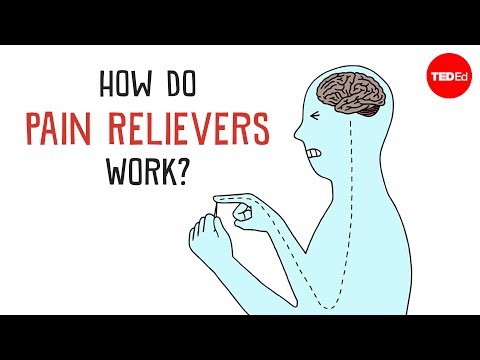
When you take acetaminophen, it goes into your bloodstream and starts to block pain signals in the brain. It’s like turning down the volume on a radio—suddenly things become more bearable. In general, its effects start to kick in around 30 minutes after taking it.
The Timeline of Relief
You might be surprised to find out that acetaminophen can provide relief for about four to six hours. This varies from person to person due to factors like age, weight and overall health. So it’s important to understand that not everyone will feel relief for the same amount of time.
When Should You Take It?
If you’re experiencing pain, taking acetaminophen might seem like a wise choice. Usually people take one dose every four to six hours if needed. However, it’s key not to exceed the recommended dose over 24 hours—this can lead to serious health issues.
A Personal Example
For instance, imagine you’ve got a bad headache from staring at screens all day. You take an acetaminophen tablet around 1 p.m., and within about half an hour you’re feeling better. By 5 p.m., you notice the discomfort creeping back—time for another dose! But make sure you keep track of how many you’ve taken so far.
Common Misunderstandings
A common myth is that taking more than the recommended dose speeds up relief. That’s not true! Overdoing it can actually harm your liver and lead to more severe problems down the line.
Additive Effects
If you’re also using other medications—like some cold meds or prescription pills—be cautious as they might also contain acetaminophen. Check labels closely; you never want double up without knowing!
Final Thoughts
In short, acetaminophen can be an effective way to relieve pain for several hours at a time but understanding its timeline helps you use it smartly and safely. Next time you’re reaching for that bottle make sure you’re doing so knowledgeably—you’ll thank yourself later!
Exploring the Truth Behind Pain Relief with Acetaminophen
Understanding Acetaminophen for Pain Relief
Hey, you’ve probably heard of acetaminophen. It’s one of the most commonly used pain relievers out there. People take it for headaches, muscle aches, and even arthritis. But how does it actually work? And how long can you expect it to relieve your pain?
What is Acetaminophen?
Acetaminophen, also known as paracetamol in some places, is a medication you can find in many over-the-counter products. It’s often included in cold and flu medications too. The cool thing about acetaminophen is that it’s not an anti-inflammatory drug like ibuprofen or aspirin. Instead, it works mainly in the brain.
How Does It Work?
You know how when you feel pain, your body sends signals to your brain? Acetaminophen interferes with those signals. It changes the way your body processes pain and also helps to regulate temperature if you’re running a fever.
How Long Does It Last?
The effects of acetaminophen typically kick in within 30 minutes to an hour after taking it. For many people, it lasts around 4 to 6 hours but this can differ based on several factors.
- Your metabolism: Everyone’s body works differently.
- Your age: Older adults may process medication more slowly.
- The dose: Taking a higher amount won’t always mean longer relief—there’s a limit!
Possible Side Effects
While acetaminophen is generally considered safe when used as directed, overdoing it can cause serious liver damage. That’s why sticking to recommended dosages matters a lot! If you’re unsure what’s right for you or if you’re taking other medications, it’s wise to check with someone knowledgeable.
Misperceptions About Pain Relief
A lot of people think that if one dose doesn’t completely eliminate their pain, they should just take more right away. But that’s not always the way to go! Sometimes waiting for the medicine to take effect first is smarter than doubling up too soon.
In Conclusion
The relief from acetaminophen may be temporary but understanding its mechanics can help manage expectations better throughout your day-to-day life. If pain persists or becomes more severe, seeking further advice might be essential! Remembering all these little details helps keep things in perspective when using this common medicine for pain relief.
Unlocking the Mystery: Discover How Quickly Acetaminophen Can Relieve Your Pain
Understanding Acetaminophen
Acetaminophen, also known as paracetamol in some regions, is a common pain reliever. It’s often used for headaches, muscle aches, arthritis, and other discomforts. You might have seen it in many over-the-counter medications.
How It Works
Thing is, acetaminophen helps relieve pain by affecting how your body senses pain. It primarily acts in the brain, blocking signals that tell you you’re hurting. Imagine turning down the volume on annoying music; that’s kind of what acetaminophen does for your pain.
Onset of Action
You might be wondering how quickly it works. Generally speaking, acetaminophen starts to relieve pain within 30 minutes to an hour after taking it. Factors like whether you’ve eaten or your metabolism can affect this timing.
Duration of Relief
The relief from acetaminophen doesn’t last forever. Typically, it can provide relief for about 4 to 6 hours. This means if you take it at noon and it’s doing its job well, you’ll likely need another dose around dinner time.
A Typical Scenario
Imagine you’ve got a headache after a long day at work. You take a couple of acetaminophen tablets and within an hour or so, the pounding starts to fade away! You might feel comfortable enough to finish your evening tasks without distraction.
Dosing Considerations
It’s important to stick to recommended doses because taking too much can lead to serious liver issues. So always check the label and keep track of how much you’ve taken during the day.
Myths and Facts About Acetaminophen
- Mistake: Some people think that more is always better. Actually, this can be very dangerous!
- Reality: The recommended dose is safe when followed properly; going above this can harm your liver.
- Mistake: Another myth is that alcohol can’t mix with acetaminophen.
- Reality: While many people take them together without issue occasionally, regular use with heavy drinking is risky!
Your Takeaway
The key takeaway here is that acetaminophen provides a helpful way to manage pain for many people when used correctly. Remember its onset time and how long the relief lasts; this can help you plan your doses effectively!
If ever unsure about dosage or effects—especially if you have other health considerations—it’s wise to consult someone who specializes in health care matters.
Acetaminophen, also known as paracetamol, is a common pain reliever. It’s often used to treat mild to moderate pain. But, how long does it actually work? Understanding this can help manage pain effectively.
Typically, acetaminophen starts to relieve pain within 30 minutes to an hour after taking it. The peak effect usually occurs around the one- to four-hour mark. This means if you take it for a headache, you might start feeling better pretty soon!
The duration of relief can last anywhere from four to six hours. This varies by individual factors like metabolism, age, and overall health. Sometimes people wonder if they can take more for longer-lasting pain relief. It’s important to stick within the recommended dose because exceeding it can cause serious liver damage.
Your body processes acetaminophen through the liver. When taken in proper amounts, most people tolerate it well; however, too much can lead to toxicity. That’s why understanding dosage is key—it’s all about finding that sweet spot for managing your pain safely.
So next time you reach for acetaminophen for relief, keep in mind how quickly it works and its duration. And remember to follow package guidelines or check with a health professional if you’re unsure about what’s right for you.