The information provided in this article is intended solely for general informational and educational purposes. It does not constitute medical advice, diagnosis or professional treatment, and should not be considered a substitute for consultation with a qualified doctor or other licensed healthcare professional. Any health-related decisions should be made in consultation with accredited medical professionals.
While efforts have been made to ensure the information is accurate and up to date, no guarantees are given—either express or implied—regarding its accuracy, completeness, currency or suitability. Use of this information is at your own discretion.
It is strongly recommended to consult official sources such as the NHS (National Health Service) or other recognised medical institutions before acting on any information contained on this website or article. Under no circumstances should professional medical advice be ignored or delayed due to content read here.
This content is of a general and informational nature only. It is not intended to replace individualised guidance from a healthcare professional or to establish any doctor-patient relationship. The publication of this information does not imply any professional responsibility, guarantee or obligation on the part of the author or this site.
Have you ever thought about how vital your kidneys are? These bean-shaped organs do a lot more than just filter your blood. Did you know they play a crucial role in regulating blood pressure and balancing fluids? It’s pretty impressive when you think about it.
Sometimes, though, our kidneys can run into serious trouble. You might hear about someone needing a kidney removed and wonder why that happens. It’s not as uncommon as you might think! There are several reasons behind the decision to remove a kidney, and understanding them can really help ease your concerns.
This article dives into the whys and hows of kidney removal. We’ll explore different types of procedures, potential benefits, and recovery expectations. You’re not alone if you have questions or feel uncertain; many people share similar worries.
Remember, this content isn’t a substitute for professional medical advice. Health decisions should always involve consulting with a healthcare expert to ensure you’re making the best choice for yourself.
Understanding Your Journey: What to Expect After Kidney Removal
Kidney removal, also known as nephrectomy, is a big step. It might be needed for various reasons like kidney disease or tumors. But honestly? The journey doesn’t stop when you leave the operating room. Let’s break down what you can expect after surgery.
Recovery Time
First things first, recovery takes time. Most people spend a few days in the hospital after the procedure. After that, it can take several weeks before you feel like yourself again. You know how sometimes after a tough workout, your muscles need time to heal? Your body is doing something similar here—just on a bigger scale.
Pain Management
Post-surgery pain is common and normal. Doctors usually provide medication to help with that discomfort. It’s important to follow their advice closely and communicate if you’re in more pain than expected.
Dietary Changes
You might need to make some diet adjustments too. Eating healthy can really aid your recovery. Foods rich in proteins and vitamins are often recommended during this phase to support healing.
- Fruits and vegetables are essential.
- Whole grains can provide necessary energy.
- Avoid excessive salt and processed foods.
Your healthcare provider will likely give specific nutritional guidance based on your situation, so listen closely!
Follow-up Appointments
Don’t skip those follow-ups! They’re crucial for monitoring your healing progress and managing any long-term effects of losing a kidney. Just like getting a regular check-up after getting braces, this helps ensure everything’s on track.
Emotional Well-being
The emotional aspect shouldn’t be overlooked either. It’s completely normal to feel anxious or even sad about the changes in your body or life post-surgery. Talking it out with friends or family—or even joining support groups—can help tons.
The Long-Term Outlook
You might wonder how losing one kidney affects daily life moving forward? Many people live perfectly normal lives with one functioning kidney! Your body adapts; it’s pretty remarkable how resilient we can be.
If you’ve been active before, it doesn’t mean you have to stop being active now.. Just ease back into your routine as advised by your healthcare provider.
The Bottom Line
Navigating life post-kidney removal involves both physical and emotional shifts but understanding what to expect makes it easier to manage everything that comes up along the way.
If doubts arise or something doesn’t feel right during recovery, reaching out for clarity helps keep peace of mind intact.
Your journey might have twists and turns; however it’s yours—and taking care of yourself remains key!
Understanding the Realities of Recovery After Kidney Surgery
Hey there! Let’s talk about recovering from kidney surgery. It’s a big deal, and understanding what happens after can really help you or someone you care about through the process.
What Does Kidney Surgery Involve?
Kidney surgery can involve removing all or part of a kidney. This might be needed for various reasons like tumors, severe infections, or chronic diseases like polycystic kidney disease. The most common type is a nephrectomy.
The Recovery Timeline
Recovery times vary based on the type of surgery and individual health factors. Generally speaking, recovery could take anywhere from a few weeks to several months.
- Hospital Stay: After surgery, most people stay in the hospital for 1 to 4 days.
- Initial Rest: For the first week or so at home, it’s super important to rest as much as possible.
- Gradual Return: You might start feeling more like yourself in a month, but full recovery may take longer.
Pain Management
You know how surgeries usually come with some pain? It’s no different here. Doctors may prescribe pain relievers which can help manage this discomfort. Some people might worry about becoming dependent on these meds; it’s always good to discuss concerns with your healthcare provider.
Coping With Mental Health
Mental well-being is just as important during recovery. Some folks feel anxious or depressed after surgery; it’s totally normal! Consider talking with loved ones or professionals if feelings get overwhelming.
Nourishing Your Body
Your body needs nutrients to heal itself after such a procedure. Eating balanced meals rich in protein, fruits, and vegetables can be very beneficial. It’s also wise to stay hydrated; water helps flush out toxins and recover faster!
Bending and Lifting Restrictions
You might have heard that bending and heavy lifting should be limited post-surgery. That’s true! Doing too much too soon can strain your healing body parts. Lifting anything over ten pounds isn’t recommended for at least six weeks.
Follow-Up Appointments
Catching up with your doctor after surgery is crucial—think of them as checkpoints for your healing journey. They’ll monitor how you’re doing and check if everything’s healing correctly.
Misperceptions About Recovery
A lot of myths surround recovery after kidney surgery that need clearing up. First off: not everyone experiences severe pain post-op; some manage quite well with over-the-counter meds!
- Surgery Equals Permanent Limitations: Many patients return to their usual activities without major changes in lifestyle after full recovery!
- You Can’t Live Healthy With One Kidney:This one is just false; plenty of people live happy lives with just one kidney!
Your Journey Through Recovery
The experience is unique to each person—factors like age, overall health, and support systems play vital roles here.. Positive encouragement goes along way when it comes to healing!
If you’re going through this yourself—or helping someone who is—be patient both physically and emotionally during this time.. Healing isn’t always linear but focusing on progress day by day matters most!
Navigating the Journey of Hope and Healing After Kidney Cancer Surgery
Kidney cancer surgery can be a daunting experience. It’s often necessary for treating the disease, but it’s also a big step in your healing journey. Many people feel a mix of emotions beforehand and after, and that’s perfectly okay.
Understanding Kidney Removal
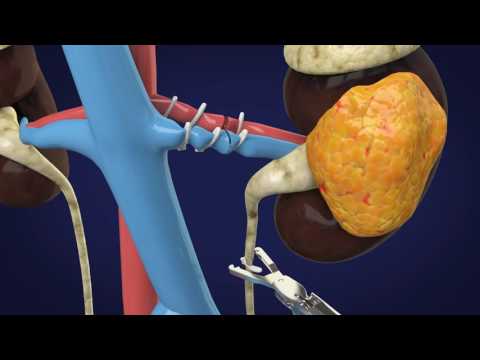
When doctors decide to remove a kidney, it’s usually due to cancer or other serious conditions. This process is called nephrectomy. Depending on how severe the cancer is, doctors may choose partial nephrectomy—removing just part of the kidney—or radical nephrectomy, which means taking out the whole kidney along with surrounding tissues.
- Partial Nephrectomy: If the tumor is small and localized, this approach helps preserve some kidney function.
- Radical Nephrectomy: This is considered when cancer has spread more significantly. In this case, removing everything helps ensure that cancerous cells are taken out completely.
You might wonder why it’s so important to remove part or all of your kidney. Simply put, the aim is to eliminate as much of the cancer as possible to give you the best chance at recovery.
The Benefits of Surgery
Surgery can be a turning point in managing kidney cancer. For many patients, removing cancerous tissue can lead to remission—a time when no signs of cancer are detectable. However, it’s important to understand that surgery isn’t an instant fix; recovery takes time.
Post-surgery healing involves both physical and emotional aspects. You may experience pain at first; that’s totally normal while your body adjusts and heals. It’s like when you get a cut; it takes time for skin to mend after being hurt.
Coping Through Recovery
The journey doesn’t end once you’re home from surgery. Healing can include regular check-ups with your healthcare team—this ensures any new issues are caught early if they arise. During recovery, support from family and friends plays a huge role too! They can lift your spirits on tough days when motivation feels low.
- Easting well: Eating healthy foods contributes to overall healing by providing essential nutrients that help restore your body’s strength.
- Mental Health: It’s vital not only to focus on physical health but mental health too; there could be anxiety or fear about what lies ahead in life post-cancer treatment.
You might find talking therapies or support groups helpful during this time; connecting with others who understand what you’re going through can make all the difference!
A New Normal
Your life after surgery may look different than before—and that’s perfectly okay! Some adjustments will likely be needed as you navigate this new chapter; they don’t mean giving up but adapting instead!
It can take a bit for things like energy levels or regular activities to return fully back to where they were once at pre-surgery.” Patience really is key here.” Everyone’s timeline for recovery varies based on numerous factors including personal health history and treatment path chosen earlier on.
The Power of Hope
This journey isn’t easy—but remember you’re not alone in it! Plenty have walked similar paths and found hope along their way toward healing.” Allow yourself moments of doubt—that’s human,” but also seek light amid darkness whenever possible!
Your experience matters immensely and sharing stories with others going through similar hardships often opens doors towards understanding more about one another’s battles against illness itself.” Hang onto hope!” It could guide every step forward as each day unfolds ahead!
Understanding Kidney Removal: Reasons, Types, and Benefits
Kidney removal, or nephrectomy, is a surgical procedure that involves taking out one or both kidneys. It’s important to understand why this might be necessary. Sometimes, it’s due to conditions like cancer, severe injuries, or chronic infections. Other times, it may be a part of treating kidney disease.
Reasons for Kidney Removal
There are various reasons someone might need their kidney removed. A malignant tumor could be growing in the kidney tissue. Alternatively, non-cancerous conditions like cysts or significant damage from trauma can also lead to nephrectomy.
Types of Nephrectomy
The type of nephrectomy performed depends on the specific situation. There are mainly two types: partial and radical nephrectomy. In a partial nephrectomy, only the affected part of the kidney is removed while leaving healthy tissue intact. Radical nephrectomy involves taking out the entire kidney along with some surrounding structures.
- Partial Nephrectomy:This is often preferred when possible because it preserves as much function as can be retained.
- Radical Nephrectomy:This is typically done when there’s significant disease spread.
The Benefits of Nephrectomy
The benefits of a nephrectomy largely revolve around improving health outcomes. For example, removing a cancerous kidney can significantly increase survival rates and reduce symptoms like pain or discomfort associated with tumors. Reclaiming health is often observed post-surgery as patients start feeling better once recovery takes place.
Pain management can improve as well since complications associated with affected kidneys are addressed directly through surgery. In cases where only one kidney remains afterward—like in many patients—the remaining organ usually adapts quite well and takes over most functions needed for filtering blood.
An important aspect to keep in mind after such procedures is monitoring overall health closely since living with one kidney requires attention to diet and lifestyle adjustments at times
.
This surgery isn’t undertaken lightly but understanding its necessity and potential benefits makes it clearer why sometimes it’s just what needs to happen for better long-term wellness .