The information provided in this article is intended solely for general informational and educational purposes. It does not constitute medical advice, diagnosis or professional treatment, and should not be considered a substitute for consultation with a qualified doctor or other licensed healthcare professional. Any health-related decisions should be made in consultation with accredited medical professionals.
While efforts have been made to ensure the information is accurate and up to date, no guarantees are given—either express or implied—regarding its accuracy, completeness, currency or suitability. Use of this information is at your own discretion.
It is strongly recommended to consult official sources such as the NHS (National Health Service) or other recognised medical institutions before acting on any information contained on this website or article. Under no circumstances should professional medical advice be ignored or delayed due to content read here.
This content is of a general and informational nature only. It is not intended to replace individualised guidance from a healthcare professional or to establish any doctor-patient relationship. The publication of this information does not imply any professional responsibility, guarantee or obligation on the part of the author or this site.
Have you ever thought about how much we rely on our legs? They’re not just for walking; they support us in countless ways every single day. Yet, many people don’t really understand what goes on inside those legs, and that can impact our bone and muscle health.
Here’s a surprising fact: the human leg is made up of over 200 bones and muscles working together like an intricate machine. When you consider how much stress we put on them—from running to lifting heavy objects—it’s clear that understanding leg anatomy can help us take better care of them.
This article dives into the fascinating world of leg anatomy. You’ll learn about the bones, muscles, tendons, and ligaments that make up your legs. Plus, we’ll discuss how to keep these structures strong and healthy so you can live life to the fullest.
Remember, this information isn’t a substitute for professional medical advice. It’s always important to consult a healthcare professional when making health decisions. Let’s get started on this journey toward better bone and muscle health!
Discover the Key to Your Leg’s Strength and Stability
Understanding Your Leg Anatomy
Hey, let’s talk about leg strength and stability. It starts with understanding the basics of your leg anatomy. Your legs are made up of bones, muscles, ligaments, and tendons. All these parts work together to help you walk, run, jump, and balance.
The Bones
Your leg bones include the femur (the upper thigh), tibia (the larger bone in the lower leg), and fibula (a smaller bone next to the tibia). This structure supports your body weight and allows for movement. Think of these bones as the framework of a house; without a strong frame, everything else can fall apart.
The Muscles
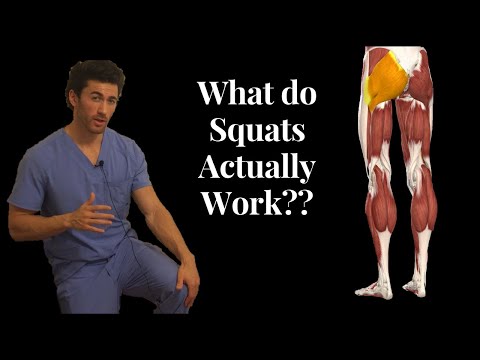
Muscles play a vital role too. The quadriceps in front of your thigh help with kicking and extending your knee. On the back side, hamstrings bend your knees and help you run. Imagine them like ropes pulling on levers; they need to be strong for everything to work well.
Ligaments and Tendons
Ligaments connect bones at joints while tendons link muscles to bones. For instance, if you think about your knee joint, it has crucial ligaments that keep it stable when you move or twist. These connections might feel small but they’re essential—like glue holding everything in place.
Why Strong Legs Matter
You might wonder why all this is important? Strong legs support good posture and balance which reduce the risk of falling or injury as we age. If you’ve ever seen someone struggle to stand up from a chair or climb stairs—you understand how crucial leg strength is!
Improving Leg Strength
You can work on building stronger legs through exercises like squats, lunges or cycling; they target those key muscles we discussed earlier. Even simple activities like walking can make a big difference over time.
Common Myths
- Myth: You need heavy weights to build strong legs.
Reality: Bodyweight exercises can be just as effective! - Myth: Stretching is enough for leg health.
Reality: Strength training is equally important along with stretching. - Myth: Only younger people need to care about their legs.
Reality: Everyone at any age benefits from maintaining leg strength.
Caring for Your Bones and Muscles
Nourishment plays a role too! Eating a balanced diet rich in calcium (like dairy products) supports bone health while protein helps muscle repair after exercise. Think of it as fueling your car regularly so it runs smoothly.
A Final Thought
Your legs are pretty amazing when you think about it! They carry you through life’s adventures every day. By understanding how they work from an anatomical perspective—and taking steps towards their strength—you’re doing yourself a favor now and later.
Exploring the Anatomy That Keeps You Moving
Understanding the Anatomy That Keeps You Moving
The human leg is a fascinating structure. It’s made up of bones, muscles, tendons, and ligaments. Each part plays a vital role in helping us walk, run, and jump. So let’s take a closer look at what makes our legs tick.
The Bones
The leg consists of several key bones. The femur is the longest bone in your body, connecting the hip to the knee. Below the knee, you’ll find two important bones: the tibia (the shin bone) and the fibula. Think of the tibia as your sturdy main support beam while the fibula acts like a smaller side support.
Muscles Matter
Muscles are what allow movement. Major muscle groups in your legs include the quadriceps at the front of your thigh and hamstrings at the back. The calves consist mainly of two muscles known as gastrocnemius and soleus—these help with walking and running.
When you want to run or jump, your brain sends signals to these muscles to contract or relax. It’s pretty impressive how this all works together! For example, when you bend your knee, you’re using both your quadriceps—those help straighten it—and hamstrings—those help flex it.
Tendons and Ligaments
Tendons connect muscles to bones while ligaments connect bone to bone. This connectivity is crucial for stability and movement in joints like knees and ankles. A well-known tendon is the Achilles tendon at the back of your ankle; it’s one of the strongest tendons in your body!
Keeping Everything Healthy
To keep those bones and muscles healthy, regular activity matters. Strength training can build muscle mass around those key areas while weight-bearing exercises help enhance bone density. Ever noticed how athletes have strong legs? They work really hard on conditioning!
A balanced diet also plays an essential role here; calcium strengthens bones while proteins support muscle repair after physical activity—something like eating chicken after a good workout can make sense.
A Common Misconception
Sometimes people think that only young people need to worry about their leg health but that’s not true! As we age, maintaining leg strength becomes even more important for balance and mobility.
Listening To Your Body
If you start feeling pain or discomfort when moving around it’s probably best not ignore those signals from your body! Consulting with someone knowledgeable can often be a good step toward understanding what’s happening.
The anatomy of our legs is designed for movement but just like any system it needs some upkeep along with awareness regarding its limits. Embracing an active lifestyle while understanding how every part works together makes all that movement even more enjoyable!
Exploring the Fascinating Structure and Function of Your Legs
Understanding Your Legs: Structure and Function
Your legs are an amazing part of your body, really. They help you walk, run, jump, and even stand still. But there’s a lot more that goes on beneath the surface. Let’s break it down.
Bone Structure
The bones in your legs provide support. The main ones are the femur (thigh bone), tibia (shin bone), and fibula (smaller bone alongside the tibia). Think of them like the strong pillars of a building; they need to be sturdy to hold everything up.
Bones are actually living tissues that go through a process called remodeling. This is where old bone is replaced with new bone. Factors like age, nutrition and activity level can affect this process.
Muscle Groups
Your leg muscles can be grouped into three main areas: quadriceps, hamstrings, and calves. The quadriceps are located at the front; these muscles help you extend your knee when you kick or stand up from sitting.
The hamstrings are found at the back of your thigh, and they’re crucial for bending your knee. Calf muscles help you lift your heel off the ground when walking or running—think about standing on tiptoes!
Joints
The knees and ankles are major joints in your legs. Joints connect bones together and allow for movement. The knee joint is really interesting because it acts like a hinge—only allowing movement in one direction (like opening a door).
Ankles give flexibility; they allow you to move in various directions while providing stability as well.
Nerves and Blood Supply
Nerves signal muscles to contract or relax during physical activities. For example, if you’re playing basketball, signals from nerves tell your leg muscles to move quickly.
Blood vessels also play an important role by supplying oxygen-rich blood to these muscles, so they have energy to function properly.
Caring for Your Leg Health
- Exercise: Regular physical activity strengthens bones and muscles.
- Nutrition: Eating calcium-rich foods supports bone health; think dairy products or leafy greens.
- Hydration: Staying hydrated helps maintain muscle function during exercise.
- Sitting Less: Prolonged sitting can stiffen joints; try standing or moving around frequently.
You know? Just like how cars need maintenance to run smoothly, taking care of our legs is essential for good health too. If something feels off—like pain or discomfort—it’s always best to consult someone who knows about body mechanics!
Your legs might seem like just a means of getting from point A to B., but they’re actually complex structures that require care and attention! Understanding how they work gives us valuable insight into maintaining their strength and function over time.
Understanding Leg Anatomy for Better Bone and Muscle Health
Understanding leg anatomy is key for maintaining bone and muscle health. The leg consists of bones, muscles, tendons, and ligaments working together. Each component plays an important role in movements like walking or running.
The major bones in the leg are the femur, tibia, and fibula. The femur is the thigh bone—it’s the longest bone in your body! The tibia, also known as the shinbone, carries weight while the fibula runs alongside it but doesn’t bear much weight.
Muscles are equally crucial. They help you move by contracting and relaxing. Think of your quadriceps at the front of your thigh; they’re responsible for kicking a soccer ball. Your hamstrings at the back help you bend your knee. Each muscle needs to be strong and flexible to support healthy movement.
Tendons connect muscles to bones, allowing force transfer from muscle contractions to facilitate movement. Ligaments connect bones at joints to provide stability. If you’ve ever twisted an ankle, you know how important those ligaments are! Injuries can lead to pain or decreased mobility.
Understanding this anatomy isn’t just niche knowledge; it’s relevant for everyone—from athletes seeking peak performance to older adults aiming for fall prevention. Strengthening exercises like squats can keep muscles fit while balancing helps with stability.
Proper nutrition also plays a role here. Calcium is vital for bone health while proteins support muscle growth and recovery after exertion. So stack up on leafy greens and lean meats!
The bottom line? A little awareness of leg anatomy goes a long way toward ensuring better overall health as we age or pursue active lifestyles. Taking care of our legs keeps us moving freely through life’s adventures.