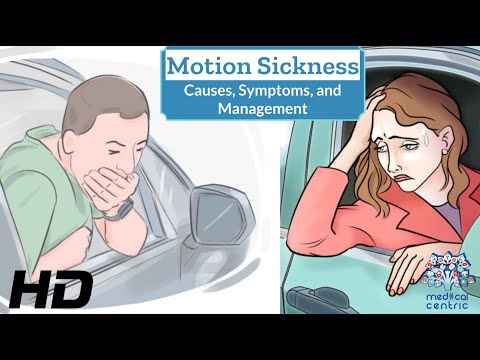
The information provided in this article is intended solely for general informational and educational purposes. It does not constitute medical advice, diagnosis or professional treatment, and should not be considered a substitute for consultation with a qualified doctor or other licensed healthcare professional. Any health-related decisions should be made in consultation with accredited medical professionals.
While efforts have been made to ensure the information is accurate and up to date, no guarantees are given—either express or implied—regarding its accuracy, completeness, currency or suitability. Use of this information is at your own discretion.
It is strongly recommended to consult official sources such as the NHS (National Health Service) or other recognised medical institutions before acting on any information contained on this website or article. Under no circumstances should professional medical advice be ignored or delayed due to content read here.
This content is of a general and informational nature only. It is not intended to replace individualised guidance from a healthcare professional or to establish any doctor-patient relationship. The publication of this information does not imply any professional responsibility, guarantee or obligation on the part of the author or this site.
Understanding Motion Sickness Oral: Uses and Potential Risks
Ever been on a road trip, cruising along, when suddenly your stomach flips? It’s like your inner ear is throwing a party you didn’t sign up for. That’s motion sickness. It’s pretty common, and it can really throw a wrench in what should be a fun time.
This article dives into motion sickness medications that you take by mouth. They’re designed to help ease those uncomfortable feelings of nausea and dizziness. But hey, while these meds can be helpful, they come with their own risks and side effects too.
We’re going to unpack how these oral treatments work, when they’re best used, and some things to watch out for if you decide to give them a try. Understanding this could mean the difference between enjoying your travels or feeling miserable halfway through the ride.
Honestly, health advice can get confusing. This isn’t a substitute for professional guidance; always check with your healthcare provider before making any decisions about treatment options.
Say Goodbye to Nausea and Embrace Every Journey
Understanding Motion Sickness
Motion sickness can be a real drag, right? Imagine being on a road trip, enjoying the scenery, and suddenly feeling queasy. That’s motion sickness for you—when your body gets confused about movement. It happens when your inner ear, eyes, and deeper parts of the body send mixed signals to your brain.
What Causes Motion Sickness?
Think of your inner ear as your body’s GPS. It helps maintain balance and tells your brain where you are in space. However, if you’re reading a book in a moving car, your inner ear senses motion while your eyes see something still. This mismatch can lead to nausea and discomfort.
Common Symptoms
You might experience various symptoms like sweating, dizziness, or that unsettling feeling in your stomach. Some people also feel tired or even get headaches when they’re motion sick.
Treatments for Motion Sickness
There are several ways people handle motion sickness. Medications like antihistamines can help reduce nausea. These often come in pill form or as patches you place behind your ear.
- Dramamine: A common medication that’s over-the-counter.
- Bonine: Another option that some find effective.
- Patches: Scopalamine patches are useful for longer journeys.
Potential Risks of Medications
If you’re considering these medications, remember they can have side effects. You might feel drowsy or lethargic—like you just want to nap instead of explore new places! Always read the labels and look for potential interactions with other drugs.
Nausea Relief Techniques
If meds aren’t for you—or if you’d rather try other options—there are natural remedies too! Ginger tea or ginger chews have been popular choices for some folks dealing with nausea from motion sickness.
Lifestyle Adjustments
You could also make some adjustments before traveling: sit where the motion is least felt (like the front seat of a car), look at the horizon to stabilize what you’re seeing, and try to breathe deeply during trips—even short ones!
The Importance of Hydration
This may sound simple, but staying hydrated is crucial! Sometimes dehydration can make feelings of nausea worse. Drinking water on trips helps keep everything balanced!
- Avoid heavy meals before travel.
- Sip fluids regularly rather than gulping down large amounts at once.
A Word on Acupressure
This is another interesting approach! Applying pressure on certain points on the wrist might help some individuals cope better with nausea—it’s all about finding what works best for you without pressures from outside sources!
Final Thoughts
Navigating through life should be enjoyable—not plagued by anxiety over feeling sick! Understanding how motion sickness works is key; knowing there are options out there may empower individuals facing this issue regularly. So whether it’s investing in over-the-counter remedies or trying home techniques—you’ve got choices!
Find relief fast and regain your comfort on the move.
Understanding Motion Sickness
Motion sickness can feel pretty awful. It’s that dizzy, queasy feeling you sometimes get when you’re in a car, boat, or even on a roller coaster. This happens because your brain gets mixed signals from your inner ear, eyes, and deeper body sensors. It’s like a communication breakdown in your body.
When you’re moving but your eyes see something still, like reading a book or looking at your phone, it confuses your brain. Think of it as trying to listen to two different songs at once. Not easy, right?
Oral Medications for Motion Sickness
You might have heard about oral medications that help with this issue. These often come in the form of tablets or chewables taken before you travel. They work by blocking signals to the brain that trigger nausea.
Common options include dimenhydrinate and meclizine. These medications can help prevent symptoms but they can also bring on side effects like dry mouth or drowsiness. Each person reacts differently; what works for one might not work for another.
Using Oral Medications Wisely
If you decide to try these meds, timing is key! Taking them about 30 minutes before movement usually gives them time to kick in. It’s all about preparation—like packing snacks before a long trip.
- Always check recommended dosages on the package.
- If you’re unsure about certain medication interactions with other drugs you take, it’s worth talking to someone who understands this stuff well.
- Never mix medications without guidance; it’s just not worth the risk.
Potential Risks and Considerations
While oral remedies can be helpful, they’re not for everyone! Some folks might experience side effects that could make traveling uncomfortable instead of relieving their symptoms.
If you’re pregnant or have certain underlying health conditions—like glaucoma or prostate issues—you should be extra cautious and better off discussing these concerns with a healthcare provider first.
Other Ways to Find Relief
You know? It’s not all about pills! There are natural methods too. Things like deep breathing exercises or staring at the horizon may help settle your stomach during movement.
- Avoid heavy meals before traveling; light snacks often do better!
- Keeps windows open for fresh air—sometimes just being outside helps more than anything else.
- Sitting where there’s less motion (like the front seat) can make a big difference too!
The Bottom Line
Motions sickness isn’t something anyone wants to deal with while trying to enjoy travels. Oral medications are one possible relief option, but they come with their own pros and cons. Stay informed and choose what feels best for your body—and always consider alternatives if medication doesn’t sit right with you!
Finding Relief: The Best Solution for Motion Sickness
Understanding Motion Sickness
Motion sickness is a frustrating condition that can happen when you’re traveling by car, boat, or plane. It’s caused by a mismatch between what your eyes see and what your inner ear senses. Think of it like this: your ears sense motion while your eyes might be focused on something stationary, like a book or the screen of your phone. This confusion can lead to symptoms like nausea, dizziness, and sweating.
What Happens in Your Body
Your brain receives signals from the visual system (your eyes) and the vestibular system (your inner ear). When you’re on the move, these signals should align. But sometimes they don’t. For instance, if you’re reading while riding in a car, your inner ear feels motion but your eyes are fixed on a stationary page.
Oral Treatments for Motion Sickness
There are various over-the-counter medications that people often use to combat motion sickness. Antihistamines are common options; they work by blocking signals in the brain that trigger nausea. Some well-known brands include dimenhydrinate (Dramamine) and meclizine.
These medications can be helpful but may come with side effects like drowsiness or dry mouth. It’s always good to read labels or speak to someone knowledgeable about how these meds fit into your personal health situation.
Potential Risks with Oral Medications
While many find relief with these oral solutions, there are also risks to consider. Some people might experience increased drowsiness which could affect their ability to drive or operate machinery safely. Additionally, certain individuals—like those with specific health conditions—might need to avoid particular medications altogether.
Alternatives Beyond Medication
If medication isn’t for you—or if you’re simply looking for other ways to manage motion sickness—there are alternatives worth exploring. Ginger is often touted as a natural remedy; it can take various forms from teas to candies and even capsules.
Then there’s acupressure; some folks swear by these wristbands that apply pressure on specific points believed to alleviate nausea symptoms.
A Personal Touch: What Works Best?
The thing is, everyone’s body reacts differently; what works wonders for one person may not for another. Keeping an eye on triggers helps—maybe it’s winding roads or strong smells? Recognizing patterns can help you prepare better next time!
If you’re consistently facing motion sickness during travel, consider discussing it with someone who knows more about this topic—like a healthcare provider—to find tailored solutions that suit you best.
Understanding Motion Sickness Oral: Uses and Potential Risks
Motion sickness is something many people experience. It happens when our brain receives conflicting signals from our inner ear, eyes, and deeper body parts about movement. For example, if you’re reading a book in a moving car, your inner ear senses motion, but your eyes are focused on a still image. This mismatch can lead to discomfort.
Oral medications for motion sickness, like dimenhydrinate or meclizine, are commonly used. They work by blocking signals in the brain that cause nausea and dizziness. These meds can be really effective for many folks heading out on long trips.
However, they are not without risks. Common side effects can include drowsiness and dry mouth. Some people might feel a bit fuzzy-headed after taking them too. That’s why it’s important to know how these medications affect you before driving or operating machinery.
Also, there are potential interactions with other medications or conditions—so reading labels and consulting with a healthcare provider is wise. You know? It’s always better to be safe than sorry! Plus, natural remedies like ginger may help some individuals without the side effects associated with pharmaceuticals.
Ultimately, understanding both the benefits and risks of oral treatments for motion sickness is essential for making informed choices about how to manage this common issue.