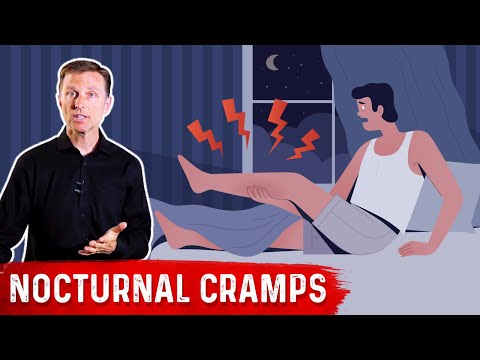
Have you ever been jolted awake by an intense pain in your foot that feels like a tight knot? You’re not alone. Nighttime foot cramps, also known as nocturnal leg cramps, can be frustrating and bewildering. They often strike suddenly and can keep you from getting a good night’s sleep.
Understanding why these cramps occur is the first step to finding relief. Various factors like dehydration, muscle fatigue, or even certain medications can play a role. Many people experience these sharp contractions in their feet or calves without warning, leaving them puzzled about what causes them and how to prevent them.
Finding the right strategies to ease this discomfort can improve your nightly rest and overall well-being. Stretching before bed, staying hydrated, and incorporating potassium-rich foods into your diet are just a few options that might help.
However, it’s important to remember that while common, nighttime foot cramps can sometimes signal underlying health issues. If you experience frequent or severe cramps, it’s wise to consult with healthcare professionals who understand your situation comprehensively.
Always seek information from various specialists and trusted media sources. Health is complex; understanding it fully requires looking beyond one perspective. Stay curious about your body—your health journey deserves attention and care!
The information provided in this article is intended solely for general informational and educational purposes. It does not constitute medical advice, diagnosis or professional treatment, and should not be considered a substitute for consultation with a qualified doctor or other licensed healthcare professional. Any health-related decisions should be made in consultation with accredited medical professionals.
While efforts have been made to ensure the information is accurate and up to date, no guarantees are given—either express or implied—regarding its accuracy, completeness, currency or suitability. Use of this information is at your own discretion.
It is strongly recommended to consult official sources such as the NHS (National Health Service) or other recognised medical institutions before acting on any information contained on this website or article. Under no circumstances should professional medical advice be ignored or delayed due to content read here.
This content is of a general and informational nature only. It is not intended to replace individualised guidance from a healthcare professional or to establish any doctor-patient relationship. The publication of this information does not imply any professional responsibility, guarantee or obligation on the part of the author or this site.
Simple Solutions for a Restful Night’s Sleep
Getting a restful night’s sleep is crucial for your overall well-being. One common issue that can disrupt your slumber are nighttime foot cramps. Understanding these cramps can provide relief and improve your sleep quality.
Nighttime foot cramps, or muscle spasms, often occur suddenly. They can cause intense pain and wake you from sleep. Think of it like a sudden cramp during exercise but happening while you’re resting.
There are several factors that contribute to these cramps. Dehydration is one of the biggest culprits. When your body lacks enough water, muscles can start to tighten.
Another factor is a lack of certain minerals like potassium, magnesium, or calcium. These nutrients help muscles function properly. Imagine trying to drive a car without fuel; it just doesn’t work smoothly.
Here are some simple solutions that may help reduce nighttime foot cramps:
Consider adjusting your sleeping position too. Sleeping on your back with a pillow under your knees might ease tension in the feet.
If you do experience a cramp during the night, gently stretching the affected muscle may provide immediate relief. You could also try massaging the area or applying warmth.
Finally, if nighttime foot cramps are frequent or severe, it’s wise to consult with someone who understands health conditions better than I do. Keeping track of when they happen can provide helpful information in those discussions.
Remember that each person’s body is different; what works for one might not work for all. Listen to what feels right and make gradual changes as needed. Sleep is vital, so being proactive about comfort can lead to more peaceful nights ahead!
Discover the Hidden Nutritional Deficiencies Behind Your Foot Cramps
Foot cramps, especially at night, can be a perplexing and painful experience. They often leave you wondering why they happen. One of the lesser-known causes is nutritional deficiencies.
Our muscles need certain nutrients to function well. When we’re low on these, cramps can occur more frequently. Let’s explore some hidden nutritional deficiencies that may be behind those annoying foot cramps.
Magnesium plays an important role in muscle function. It helps muscles relax after they contract. If you don’t get enough magnesium, it can lead to cramping and tightness. Foods rich in magnesium include spinach, nuts, seeds, and whole grains.
Calcium is another crucial nutrient for muscle contractions and relaxation. Without enough calcium, your muscles might spasm unexpectedly. Dairy products like milk and yogurt are great sources of calcium, as are leafy greens and fortified plant-based milks.
Potassium, often referred to as the “muscle mineral,” helps balance fluids in your body and keeps your muscles functioning properly. Bananas are famous for their potassium content but other fruits like oranges and vegetables like potatoes also pack a punch.
Sodium, while sometimes viewed negatively, actually plays a key role too! It helps maintain fluid balance and allows for proper nerve signaling to prevent cramping. Just remember: too much sodium can lead to other health issues.
The best way to avoid these deficiencies is by eating a varied diet that includes all food groups. Don’t forget that hydration is also essential! Water aids nutrient absorption and muscle function.
If you’re experiencing frequent cramps despite a balanced diet, it may be time to evaluate other factors like exercise routines or hydration levels.
Remember, while nutrition matters greatly, it’s only one piece of the puzzle for managing foot cramps at night or any other time of day! Always listen to your body; it often sends signals when something’s off-balance.
Stay curious about your health! Understanding how nutrition affects your body empowers you to make informed decisions about what you eat every day.
Unraveling the Secrets Behind Foot Cramps and What They Mean for Your Health
Foot cramps can be both painful and puzzling. They often strike suddenly, leaving you feeling sore and confused. Understanding the reasons behind these cramps can help you manage them better.
In essence, a foot cramp occurs when a muscle involuntarily tightens. Think of it like a rubber band that suddenly snaps back into shape. This can happen in any muscle but is most common in the calves, feet, and toes.
One frequent time for foot cramps is at night. Nighttime foot cramps are often experienced while sleeping or just before falling asleep. They can wake you up and disrupt your rest.
There are several factors that might contribute to these cramps:
Certain conditions may also increase your risk of foot cramps. For example, people with diabetes often report more frequent muscle spasms. Additionally, pregnancy can lead to leg and foot cramps due to changes in blood flow and electrolyte levels.
So what can be done about them? While there’s no one-size-fits-all solution, here are some helpful tips:
If you’re experiencing frequent or severe cramps, it’s wise to consult someone for personalized advice. It’s always important to listen to your body.
Remember not all leg pain is from cramps; sometimes it could signal other issues like nerve problems or blood flow concerns. So being attentive to changes is key.
Exploring why you experience foot cramps is an ongoing journey of awareness about your health. Keeping track of when they occur may help identify patterns linked to lifestyle choices or underlying conditions.
In summary, while foot cramps are often benign, understanding their cause helps in prevention and relief strategies. Staying informed empowers you to take control of your health decisions responsibly.
Nighttime foot cramps can be a frustrating experience, often disrupting restful sleep. Understanding the underlying causes and potential remedies can empower individuals to address this common issue.
Nighttime cramps typically occur when the muscles in the feet suddenly tighten. This can happen due to several factors, including dehydration, mineral deficiencies (like magnesium or potassium), and prolonged periods of inactivity during the day. Think of your muscles like rubber bands; if they’re not well taken care of, they can snap unexpectedly.
Sometimes lifestyle changes or even footwear choices may play a significant role in reducing cramps. Wearing supportive shoes during the day helps prepare your feet for rest at night.
If nighttime foot cramps become frequent or severe, it might be wise to check in with a healthcare provider. They can help rule out any serious conditions that could be contributing to muscle spasms.
Ultimately, understanding your body’s signals is crucial. Addressing simple lifestyle changes can lead to significant improvements in your quality of life. Embrace small adjustments; they often pave the way for more restful nights and better overall health.