Have you ever felt a rush of energy or anxiety during a stressful moment? That reaction often involves norepinephrine, a fascinating chemical in our bodies. Norepinephrine plays a crucial role in how we respond to stress, regulating our fight-or-flight response. It’s like an internal alarm system, preparing us to tackle challenges or escape danger.
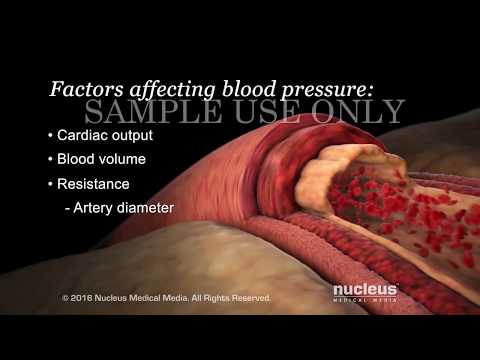
When we encounter a stressful situation, norepinephrine is released from the adrenal glands and nerves. This helps increase heart rate, blood pressure, and even sharper focus. Think of it as your body’s turbo boost, readying you for action.
Yet, while norepinephrine can be beneficial in short bursts, chronic overproduction can lead to issues like anxiety or high blood pressure. It’s essential to understand both its positive and negative effects on our health.
Warning: While learning about norepinephrine is intriguing and helpful for understanding your body’s responses better, it’s vital to seek information from trustworthy sources. Consulting healthcare professionals and diverse media can offer valuable insights tailored to your needs. Always approach health topics with curiosity but discernment; not everything you read is accurate or applicable to your situation.
The information provided in this article is intended solely for general informational and educational purposes. It does not constitute medical advice, diagnosis or professional treatment, and should not be considered a substitute for consultation with a qualified doctor or other licensed healthcare professional. Any health-related decisions should be made in consultation with accredited medical professionals.
While efforts have been made to ensure the information is accurate and up to date, no guarantees are given—either express or implied—regarding its accuracy, completeness, currency or suitability. Use of this information is at your own discretion.
It is strongly recommended to consult official sources such as the NHS (National Health Service) or other recognised medical institutions before acting on any information contained on this website or article. Under no circumstances should professional medical advice be ignored or delayed due to content read here.
This content is of a general and informational nature only. It is not intended to replace individualised guidance from a healthcare professional or to establish any doctor-patient relationship. The publication of this information does not imply any professional responsibility, guarantee or obligation on the part of the author or this site.
Unraveling the Impact of Norepinephrine on Our Body’s Reactions
Norepinephrine is a fascinating chemical in our body. It works as both a hormone and a neurotransmitter. Understanding its role can help us grasp how our body reacts to various situations.
When you encounter a stressful situation, norepinephrine kicks in. Think of it like an alarm system that prepares your body to respond. This reaction is often termed the “fight or flight” response.
Here’s how norepinephrine affects your body:
However, too much norepinephrine over time can lead to problems. Chronic stress can cause prolonged high levels of this chemical. This might result in anxiety or other health issues.
Interestingly, norepinephrine also plays a role in mood regulation. Low levels have been linked to conditions like depression. Balancing it is key.
Lifestyle factors can influence norepinephrine levels as well. Regular exercise, adequate sleep, and healthy eating contribute positively.
It’s important to remember that everyone’s response varies based on individual health and circumstances. What works for one person might not work for another.
Being aware of how substances like norepinephrine affect us encourages mindful living. Acknowledging stress signals allows us to take proactive steps toward managing them effectively.
Stay curious about how your body works! Understanding these processes empowers you to make informed health decisions every day.
Unraveling the Connection Between Norepinephrine and Our Body’s Response to Stress
Understanding the connection between norepinephrine and stress can be enlightening. Norepinephrine is a hormone and a neurotransmitter. It plays a significant role in how our body reacts to stress.
When we face a stressful situation, norepinephrine kicks in. It’s part of the body’s “fight or flight” response. This response prepares us to either confront danger or escape from it. You might feel your heart race or your muscles tense up; these are signs that norepinephrine is at work.
Norepinephrine helps in several ways:
Think of it as your body’s emergency signal system. When stress hits, norepinephrine acts fast to help you react appropriately.
However, while this response can be beneficial in short bursts, constant high levels of norepinephrine can become problematic. Chronic stress leads to prolonged release of this hormone, which might contribute to various health issues like anxiety or high blood pressure.
Some people think that all stress is bad. But remember, stress itself isn’t entirely negative. It can motivate us to meet deadlines or prepare for challenges too.
Balancing our body’s norepinephrine levels is essential for overall well-being. Key strategies include regular physical activity, healthy eating, and practicing relaxation techniques like deep breathing or mindfulness.
It’s important to understand that everyone experiences stress differently and has unique responses to it. Being aware of how your body reacts can empower you to manage your stress better.
Takeaway: Norepinephrine plays a crucial role in our body’s reaction to stress but managing its levels thoughtfully is key for health and balance in life. Understanding this connection helps us make more informed choices about our well-being without falling into myths surrounding stress management.
Understanding the Surprising Effects of Excess Norepinephrine on Your Body and Mind
Norepinephrine is a key player in our body’s response to stress. It’s a hormone and neurotransmitter that helps regulate our fight-or-flight response. This means it prepares us to react quickly when faced with danger.
However, like anything in life, too much norepinephrine can lead to some surprising effects on both the body and mind. When stress becomes chronic, norepinephrine levels can stay elevated. This isn’t ideal.
Here are some potential effects of excess norepinephrine:
The body’s natural balance is crucial. Think of norepinephrine like a dial—you want it set just right for different situations. When it’s cranked too high consistently, things can get out of whack.
Mental fog is another issue that may arise from prolonged high levels of this hormone. You might feel scattered or unfocused, making everyday tasks seem more challenging.
It’s important not to dismiss these symptoms. Understanding them helps you recognize how stress impacts your health and well-being.
Sometimes people try to manage their stress through unhealthy coping methods, like overeating or substance use. These might provide temporary relief but aren’t a long-term solution.
Instead, consider healthier options for lowering those elevated levels:
Remember that each person’s response to stress is unique. Listening to your body and recognizing when something feels off is essential.
If you’re unsure about what you’re experiencing or how best to address it, reaching out for guidance from someone knowledgeable about health may be beneficial.
Understanding how excess norepinephrine affects us empowers us to make informed decisions about our well-being—leading us toward healthier habits and improved quality of life.
Understanding norepinephrine is essential for grasping how our body reacts to stress and controls various physiological functions. Norepinephrine, also known as noradrenaline, is a neurotransmitter and hormone produced primarily in the adrenal glands. It plays a crucial role in the body’s fight-or-flight response, helping us react quickly during stressful situations.
When faced with danger or anxiety, norepinephrine is released into the bloodstream. This surge causes an increase in heart rate and blood pressure, preparing our muscles for action. Think of it as switching on a turbo booster in a car; it gets you ready to either confront a challenge or escape from it.
However, while this response is vital for survival, chronic elevation of norepinephrine can lead to health issues. Conditions like anxiety disorders, chronic stress, and hypertension can result from prolonged exposure to high levels of this neurotransmitter.
It’s important to consider how lifestyle factors affect norepinephrine levels. Regular exercise helps regulate its production and release, promoting overall mental health. Conversely, poor diet and lack of sleep may contribute to imbalances that can affect mood and physical well-being.
By understanding how norepinephrine works, we can make informed choices to enhance our mental health and manage stress effectively. Emphasizing mindfulness techniques like deep breathing or meditation can be beneficial in regulating our body’s responses as well.
In summary:
Seeing norepinephrine’s impact on both mind and body encourages us to prioritize wellness strategies that support healthy responses to life’s challenges.