The information provided in this article is intended solely for general informational and educational purposes. It does not constitute medical advice, diagnosis or professional treatment, and should not be considered a substitute for consultation with a qualified doctor or other licensed healthcare professional. Any health-related decisions should be made in consultation with accredited medical professionals.
While efforts have been made to ensure the information is accurate and up to date, no guarantees are given—either express or implied—regarding its accuracy, completeness, currency or suitability. Use of this information is at your own discretion.
It is strongly recommended to consult official sources such as the NHS (National Health Service) or other recognised medical institutions before acting on any information contained on this website or article. Under no circumstances should professional medical advice be ignored or delayed due to content read here.
This content is of a general and informational nature only. It is not intended to replace individualised guidance from a healthcare professional or to establish any doctor-patient relationship. The publication of this information does not imply any professional responsibility, guarantee or obligation on the part of the author or this site.
Have you ever wondered how much weight is normal to gain during pregnancy? It’s a question that many expecting parents ask. The truth is, it can feel overwhelming with all the information out there. Some sources might say one thing, while others contradict them. What’s the right answer?
Understanding normal weight gain during pregnancy isn’t just about numbers; it’s about health—yours and your baby’s. Each pregnancy is unique, and factors like pre-pregnancy weight and overall health play a huge role in determining what’s typical for you.
This article will break down what you can expect regarding weight gain throughout your pregnancy journey. We’ll talk about why it matters, how to approach it without stress, and even some common myths that might be causing confusion.
Remember, this isn’t a substitute for professional medical advice. Every individual is different, so it’s crucial to consult with a healthcare provider for personalized guidance tailored to your situation. Let’s dive into this together!
Understanding Healthy Weight Changes During Your Pregnancy Journey
Pregnancy is an incredible time, filled with a mix of excitement and questions. One big topic that comes up is weight gain. It’s totally normal to wonder about how much weight you should gain during this period.
Why Does Weight Gain Happen?
When you’re pregnant, your body goes through significant changes. You’re not just carrying a baby; you’re also storing nutrients for both of you. It’s like preparing for a long journey where you need extra supplies!
What’s a Healthy Amount of Weight Gain?
The amount of weight gain can vary based on your starting weight before pregnancy. For instance, if you had a normal weight, gaining between 25 and 35 pounds is often recommended. If you were underweight, maybe more would be healthy.
If you were overweight before getting pregnant, the guidelines suggest gaining less—about 15 to 25 pounds typically makes sense.
The Breakdown of Weight Gain
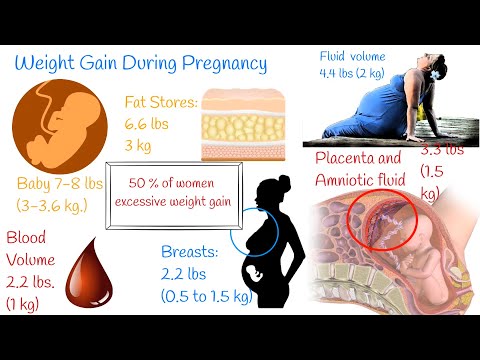
Okay, let’s break it down! When we think about where that weight comes from, here’s the scoop:
- The baby: weighs around 7-8 pounds at birth.
- The placenta: which nourishes the baby can weigh about a pound or so.
- Amniotic fluid: this is what cushions the baby and can add another pound.
- Your increased blood volume: pregnant bodies make more blood; that’s around 4 pounds!
- Larger breasts: they can add one or two extra pounds as well.
- Your body fat stores are also critical for energy during breastfeeding.
Healthy Choices Matter
You might be wondering what role food plays in all this? Well, making nourishing choices helps support healthy growth for your little one. Think fruits, veggies, whole grains, lean protein—that sort of stuff!
Weight Fluctuations Are Normal
It’s also important to remember that some fluctuation in weight is expected throughout pregnancy. You might gain quickly one month and less another month—and that’s okay too! Every pregnancy is unique.
Mental Health Counts
No doubt about it, mental health plays a huge role here too. A pregnant person may feel stress about their body changing or how much they’re gaining—this feeling is very common! Reaching out to friends or family can help ease those feelings.
Stay Active If Possible
If your healthcare provider gives the green light, gentle exercise like walking or yoga can be very beneficial during pregnancy. It supports both physical health and emotional well-being!
A Final Thought
You know? At the end of the day—what’s most important is having a healthy pregnancy experience. Listen to your body and don’t hesitate to ask questions along the way.
Educating yourself on healthy habits can truly help make this journey even more rewarding!
Understanding Healthy Weight Gain Milestones for Expecting Moms
Weight gain during pregnancy is a natural and important part of the journey to motherhood. It supports both the baby’s growth and the mother’s health. But, it can be confusing to know what’s considered “normal”. So, let’s break it down.
The Basics of Weight Gain
First off, how much weight should an expecting mom gain? This typically depends on their starting weight before pregnancy. The Institute of Medicine suggests general guidelines based on BMI (Body Mass Index).
- If a woman is underweight (BMI less than 18.5), gaining about 28-40 pounds could be healthy.
- A normal weight (BMI between 18.5 – 24.9) might see a gain of 25-35 pounds.
- If overweight (BMI between 25 – 29.9), about 15-25 pounds may be appropriate.
- Finally, for obesity (BMI over 30), it’s usually around 11-20 pounds.
Trimester-by-Trimestre Breakdown
The rate of weight gain also varies across the trimesters. Here’s a simple picture:
- During the first trimester, many women don’t gain much—about one or two pounds is common.
- The second trimester often sees more noticeable increases; about one pound per week is a good target.
- In the third trimester, it can ramp up even more—sometimes up to two pounds a week!
This makes total sense because babies grow rapidly in those last months. But every body is different! And that’s alright!
What Influences Weight Gain?
A bunch of factors can come into play with how much an expecting mom gains:
- Genetics:Your family history can impact weight trends; some people just tend to gain more or less.
- Nutritional Choices:The type of food eaten matters! Nutritious meals support healthy growth while junk food might lead to unnecessary gains.
- Pregnancy Complications:Certain conditions like gestational diabetes may influence weight management as well.
Moms-to-Be Should Listen to Their Bodies
You know your body best! It’s crucial for pregnant women to stay attuned to their own feelings and needs. If cravings arise, it often means your body needs something specific—like extra vitamins or minerals!
The Role of Healthcare Providers
If doubts or concerns come up regarding weight gain, don’t hesitate to reach out—to your doctor or midwife. They tailor advice based on personal health status and help clarify any confusion you might have.
And remember: every pregnancy is unique! It’s not just about numbers on the scale; it’s about nurturing both mom and baby through this whole experience!
A Note on Postpartum Changes
This journey doesn’t end at delivery; postpartum adjustments occur too! It might take time for bodies to find their new normal after baby arrives—not everything snaps back overnight!
Taking care during pregnancy can set a great foundation for long-term health—both for moms and little ones alike!
Navigating the Changes and Embracing the Journey in Your Final Trimester
The final trimester of pregnancy can be an emotional and physical rollercoaster. You’re nearing that finish line where you’ll meet your little one. But, it’s also a time when many questions about weight gain pop up. Let’s take a closer look at what’s normal and how to embrace these changes.
Understanding Normal Weight Gain
Weight gain during pregnancy isn’t just about indulging in cravings or feeling bloated. It’s part of a natural process that supports both your body and the developing baby. For most women, typical weight gain in the third trimester ranges from 1 to 2 pounds per week.
Look, these numbers can vary based on different factors like your starting weight and overall health. If you began your pregnancy at a healthy weight, gaining around 25 to 35 pounds in total is often recommended. But if you’re starting on the heavier side or lighter side, those numbers can adjust.
Your Body’s Changes
You might notice more than just changes on the scale. Your body is working hard—your blood volume increases to supply nutrients to your baby, which means more fluid retention too. So, some of that weight isn’t just extra fat; it’s blood, water, and growing tissue!
Also consider: as your baby grows, so does everything else—like your uterus and placenta! All part of preparing for birth.
Emotional Aspects
The mental side is just as important as the physical. Many women feel pressure around their bodies during this time due to societal expectations about “ideal” pregnancy physiques. It’s totally normal to feel overwhelmed sometimes.
Remember that every body is different. Try focusing on how you feel instead of just what the scale says! Celebrate milestones like reaching certain weeks or feeling those little kicks.
Nourishment Matters
This isn’t a license to eat anything under the sun though—think of nourishing yourself with healthy foods instead of empty calories. Incorporating fruits, vegetables, lean proteins, and whole grains helps with energy levels and overall well-being.
If you have concerns about food choices or cravings it’s helpful talk with someone who specializes in nutrition during pregnancy for personalized support.
Movement is Key
If it feels good—keep moving! Gentle exercises like walking or prenatal yoga can help manage stress and maintain strength without overdoing it. Your body knows best what feels right!
A Support System
No one should go through this journey alone; talking with friends who’ve been pregnant or joining support groups helps too! Sharing experiences lightens burdens; plus it can keep things real when you’re navigating challenges!
The Journey Ahead
Your final trimester is not only about waiting for delivery but also embracing change within yourself! Understanding why weight gain happens can help ease worries so you can focus on enjoying this unique experience ahead—meeting your baby!
- Breathe through each stage;
- Dive into self-compassion;
- Savor every moment!
Understanding Normal Weight Gain During Pregnancy
Pregnancy is a unique journey that brings about many changes, not just emotionally but physically too. One significant aspect is weight gain. It’s totally normal to wonder how much weight you should gain while pregnant. The truth is, it varies from person to person.
The general guideline suggests that women of normal weight before pregnancy should aim for a gain of about 25 to 35 pounds. But hey, what does this really mean for you? Well, it’s not just about the number on the scale; it’s more about the overall health of both mom and baby.
Weight gain during pregnancy isn’t just about the baby’s weight. It includes various factors like increased blood volume, amniotic fluid, and even breast tissue! Think of your body as a home preparing for a new arrival – it needs extra space and resources.
It’s important to note that gaining too little or too much can lead to complications. Underweight gains can affect the baby’s growth while excessive weight could increase risks for conditions like gestational diabetes or hypertension.
Nutrition plays a key role here. A balanced diet rich in fruits, vegetables, whole grains, and lean proteins provides essential nutrients needed for developing your baby. Remember those cravings? It’s okay to indulge sometimes! Just aim for moderation.
Regular check-ups with your healthcare provider can help keep track of your progress. They’ll offer personalized advice based on your unique situation—because every pregnancy is different!
So if you’re expecting or planning to be, understanding normal weight gain during pregnancy can empower you in making informed decisions throughout this beautiful journey.