The information provided in this article is intended solely for general informational and educational purposes. It does not constitute medical advice, diagnosis or professional treatment, and should not be considered a substitute for consultation with a qualified doctor or other licensed healthcare professional. Any health-related decisions should be made in consultation with accredited medical professionals.
While efforts have been made to ensure the information is accurate and up to date, no guarantees are given—either express or implied—regarding its accuracy, completeness, currency or suitability. Use of this information is at your own discretion.
It is strongly recommended to consult official sources such as the NHS (National Health Service) or other recognised medical institutions before acting on any information contained on this website or article. Under no circumstances should professional medical advice be ignored or delayed due to content read here.
This content is of a general and informational nature only. It is not intended to replace individualised guidance from a healthcare professional or to establish any doctor-patient relationship. The publication of this information does not imply any professional responsibility, guarantee or obligation on the part of the author or this site.
Have you ever woken up feeling like you barely slept at all? You’re not alone. Obstructive sleep apnea (OSA) affects millions of people, often leaving them tired during the day and struggling to focus. It happens when your throat muscles relax too much during sleep, blocking your airways and causing brief pauses in breathing. Scary, right?
This article is here to help you understand OSA better and explore some gadgets that might make a real difference in managing it. From CPAP machines to smart pillows, there are various tools designed to improve sleep quality. But it’s important to know that while these gadgets can be helpful, they aren’t a substitute for professional medical advice.
Before trying out new devices or treatments, consult a healthcare professional who can offer guidance tailored to your specific needs. Understanding the nuances of obstructive sleep apnea not only empowers you but also encourages better health decisions.
If you’re curious about how technology can make your nights more restful, keep reading! Let’s dive into the world of solutions that could change how you experience sleep.
Discover the Most Effective Solutions for Better Sleep and Health
Understanding Obstructive Sleep Apnea
Obstructive sleep apnea (OSA) is a common sleep disorder. It happens when your throat muscles relax too much during sleep, blocking your airway. This means you might snore loudly or even stop breathing for short periods while you’re snoozing.
People with OSA often wake up feeling tired, even after a full night’s sleep. It’s like running a marathon and then taking a nap instead of resting properly. The lack of quality sleep can lead to various health issues over time.
Recognizing the Symptoms
You might wonder how to know if you have OSA. Common symptoms include loud snoring, gasping for air during the night, and feeling excessively sleepy during the day. If you’ve ever felt like sleeping at your desk or dozing off while watching TV, it could be a sign.
Gadgets That Help
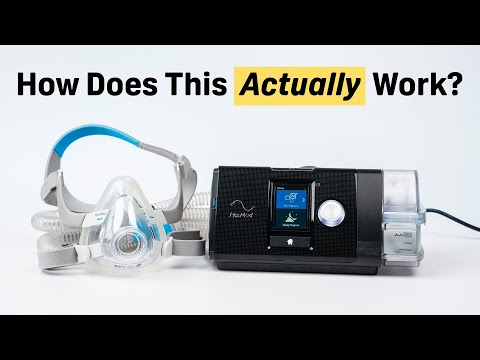
Now let’s talk about some gadgets that can help manage OSA. One popular device is the CPAP machine (Continuous Positive Airway Pressure). It’s like having a gentle breeze blowing into your nose while you sleep, keeping your airway open.
- CPAP Machine: It’s the gold standard for treating OSA. It consists of a mask that fits over your nose or mouth and connects to a machine that provides air pressure.
- Aromatherapy Diffusers: These won’t directly help with apnea but can create a calming environment that promotes better sleep quality overall.
- Sensors and Wearables: Some smartwatches and fitness trackers monitor your nighttime breathing patterns. They give insights into how well you’re sleeping and whether there’s any irregularities.
Lifestyle Changes Matter Too
You know, it’s not all about gadgets. Certain lifestyle changes can also improve sleep quality if you’re dealing with OSA. Losing weight can significantly reduce symptoms since excess weight can put pressure on the throat muscles.
Avoiding alcohol and sedatives before bed is also wise as they relax throat muscles more than usual—making it easier for them to block airflow!
The Importance of Consulting Professionals
If you suspect you have obstructive sleep apnea, it’s important to consult with healthcare professionals who can guide you through diagnosis options like sleep studies. They’ll help determine the best course tailored just for you.
Your Path to Better Sleep
The path toward better sleep may require some trial and error with gadgets and lifestyle choices. What works wonders for one person might not be effective for another—that’s okay! Patience and persistence are key in finding what suits your individual needs.
Discover the Best Solutions to Enhance Your Sleep Quality
Understanding Obstructive Sleep Apnea
Obstructive sleep apnea (OSA) is a condition that causes interruptions in breathing during sleep. It happens when the muscles at the back of your throat fail to keep your airway open. Imagine trying to breathe through a straw that keeps getting pinched—frustrating, right? That’s what it can feel like for someone with OSA.
People with OSA often snore loudly and may feel very tired during the day because their sleep gets disrupted. It’s not just about feeling groggy; this can lead to other health issues like high blood pressure or heart disease over time.
Signs You Might Have Sleep Apnea
Some common signs include waking up gasping for air, persistent daytime fatigue, or difficulty concentrating. If you’re noticing these symptoms, it’s worth chatting with someone about them.
The Role of Gadgets
Now, let’s talk gadgets—these are tools designed to help manage sleep apnea and improve overall sleep quality. One popular option is the CPAP machine (continuous positive airway pressure). Think of it as a gentle airflow system that keeps your airway open as you sleep.
This device is fitted with a mask worn over your nose or mouth. Sure, it might look a bit odd at first, but many find they adjust after using it for a while. And honestly? It can make such a difference in sleeping better!
Other Helpful Tools
- Wearable Devices: Fitness trackers and smartwatches can monitor your sleep patterns. They give you insights into how well you’re sleeping and even alert you if you’re snoring.
- Mouthguards: These are used by some people to prevent teeth grinding but can also help keep your airway open by adjusting jaw position.
- Pillows: A specially designed pillow can help align your neck and head properly during sleep, reducing obstruction caused by gravity when lying down.
Lifestyle Changes Matter Too
You know, sometimes gadgets alone aren’t enough—lifestyle changes play a huge role too! Maintaining a healthy weight, avoiding alcohol before bed, and sleeping on your side instead of your back can help improve symptoms considerably.
If you’re concerned about OSA or how well you’re sleeping generally, consider speaking with someone who knows more about this stuff. Getting adequate rest is super important for overall health—you deserve that good night’s sleep!
Discover the Tools That Can Transform Your Restful Nights
Understanding Obstructive Sleep Apnea
Obstructive sleep apnea (OSA) is a condition that affects your breathing while you sleep. It’s like having a temporary pause in breathing, often caused by the throat muscles relaxing too much. Imagine trying to breathe through a straw that’s getting squeezed; it’s tough, right?
What Happens During Sleep?
When you have OSA, these pauses can last for a few seconds to even minutes, which can happen many times throughout the night. This disrupts your sleep cycle and often leads to feeling tired during the day, which isn’t fun at all.
You might not even know it’s happening unless someone tells you. Often, partners notice loud snoring or gasping for air while sleeping.
Tools to Help with OSA
There are several gadgets designed to help manage OSA and improve your sleep quality. These tools range from simple lifestyle changes to more advanced technology.
Continuous Positive Airway Pressure Machine (CPAP)
The CPAP machine is one of the most common treatments for OSA. It works by blowing air into your throat to keep the airway open during sleep. Think of it as a gentle fan that prevents any obstructions while you rest.
Dental Devices
Dental devices are another option. They look kinda like mouthguards and are designed by dentists specifically for snoring or apnea. They work by repositioning your jaw to keep your airway open—like pushing down on that straw so it doesn’t get squished.
Positional Therapy
This involves changing how you sleep. Some people snore more when sleeping on their backs. Sleeping on your side might reduce this issue! There are special pillows available that encourage side sleeping—kind of like having a cozy nudge all night long.
Sensors and Apps
In today’s tech-savvy world, many people use smart gadgets or apps that track their sleep patterns. These tools collect data about how well you’re sleeping, alerting you (and maybe even your doctor) if there are concerns about how frequently you’re waking up or snoring.
Lifestyle Changes Matter
This may sound simple, but weight management can really affect OSA symptoms too! Losing extra pounds—even a small amount—can make breathing easier during sleep.
- Avoiding alcohol close to bedtime helps reduce muscle relaxation in the throat.
- Quitting smoking can also be beneficial as it irritates throat tissues.
- Create a bedtime routine; calming activities might get you ready for better rest!
A Word of Caution
If you’re suspecting OSA or have real concerns about it—best practice would be talking with a healthcare provider who knows about this stuff! They’ll guide you through what may work best in your situation instead of guessing yourself.
Understanding Obstructive Sleep Apnea: Gadgets That Help
Obstructive sleep apnea (OSA) is a condition where breathing repeatedly stops and starts during sleep because of blocked airways. This can lead to poor sleep quality and serious health issues over time. You know, it’s like trying to breathe through a straw—really difficult and tiring.
Many people are looking for solutions to manage OSA, and technology is coming to the rescue. Gadgets designed for sleep apnea aim to make breathing easier at night, improving overall well-being. They help people get better sleep, which is essential for good health.
Common Gadgets
- CPAP Machines: Continuous Positive Airway Pressure (CPAP) machines are the most common gadgets used. They deliver a steady stream of air, keeping airways open while you sleep.
- Oral Appliances: These devices fit in your mouth and reposition your jaw to keep your throat open. Think of them like a retainer but designed specifically for helping with breathing.
- Smart Pillows: Some pillows have built-in sensors that detect snoring or changes in breathing patterns. They can adjust their position automatically to help keep the airway clear.
It’s worth mentioning that while these gadgets can be helpful, they’re not one-size-fits-all solutions. Getting properly diagnosed is key because OSA can vary greatly from person to person.
The integration of technology into managing OSA reflects how innovation can improve life quality in real ways. People’s experiences show that devices can help them regain control over their nights and, ultimately, their days too.
This isn’t just about gadgets; it’s about reducing risks associated with untreated apnea like heart disease or diabetes. By understanding OSA and using tools designed to address it, many find relief and begin sleeping soundly again.