The information provided in this article is intended solely for general informational and educational purposes. It does not constitute medical advice, diagnosis or professional treatment, and should not be considered a substitute for consultation with a qualified doctor or other licensed healthcare professional. Any health-related decisions should be made in consultation with accredited medical professionals.
While efforts have been made to ensure the information is accurate and up to date, no guarantees are given—either express or implied—regarding its accuracy, completeness, currency or suitability. Use of this information is at your own discretion.
It is strongly recommended to consult official sources such as the NHS (National Health Service) or other recognised medical institutions before acting on any information contained on this website or article. Under no circumstances should professional medical advice be ignored or delayed due to content read here.
This content is of a general and informational nature only. It is not intended to replace individualised guidance from a healthcare professional or to establish any doctor-patient relationship. The publication of this information does not imply any professional responsibility, guarantee or obligation on the part of the author or this site.
Have you ever noticed your child throwing tantrums or arguing back more than you’d expect? It’s more common than you think. Sometimes, behaviors like these can point to something deeper—like Oppositional Defiant Disorder (ODD). This condition often leads to a cycle of conflict that can leave both kids and parents feeling frustrated.
Understanding ODD is important, especially if you’re dealing with these challenges. This article will break down what ODD looks like, including the symptoms that can surface in daily life. Together, we’ll explore effective care options that can make a difference.
But here’s the thing: just reading about it can’t substitute for professional medical advice. Health decisions should always involve a qualified healthcare professional who understands your unique situation. We’re here to help you better understand ODD, so you can support your child and find the resources you need.
Understanding the Signs and Solutions for Managing Defiant Behavior in Children
Understanding Defiant Behavior in Children
Defiant behavior in children can be really challenging, both for them and for parents. It often shows up as arguing, refusing to follow rules, or being easily annoyed. You might notice this more during certain life changes, like moving schools or family problems.
What is Oppositional Defiant Disorder?
Oppositional Defiant Disorder (ODD) is a diagnosis some kids get when their defiance is intense and affects their daily life. It’s important to know that not all defiant behaviors mean a child has ODD. Sometimes, it’s just part of growing up.
Some common symptoms include:
- Frequent temper tantrums
- Argumentative behavior with adults
- Blaming others for mistakes
- Easily annoyed by others
- Spiteful attitude
Why Do Kids Act This Way?
There are many reasons behind defiant behavior. Sometimes, kids feel overwhelmed by emotions like anxiety or frustration. They might show it through acting out instead of talking about their feelings.
This behavior could also stem from a mix of genetics and environment. The way parents handle stress or conflict can influence how children respond too.
How Can You Manage This Behavior?
The first step is understanding that these behaviors are signals from your child—like they’re trying to communicate something. Instead of reacting negatively, try to listen and empathize.
Certain strategies can help manage defiance:
- Create structure: Having consistent routines helps kids feel secure.
- Use clear consequences: Make sure your kid knows what happens if they misbehave.
- Praise positive behavior: Catch them being good! Recognition can encourage more of the same.
- Avoid power struggles: If you find yourself arguing over small things, take a step back; it’s not worth it.
The Role of Professional Help
If you feel overwhelmed, seeking help from therapists or counselors can be beneficial. They can provide tools and support tailored for your unique situation. Plus, talking with other parents can give you valuable insights too!
Your Emotions Matter Too
Your feelings as a parent are important—caregiving can be exhausting when faced with defiance every day. Make sure to prioritize your well-being so you can better handle challenges when they arise.
Coping Together
Navigating ODD or just difficult behaviors isn’t easy—but you’re not alone in this journey! Engaging in open conversations with your child about their feelings will foster trust and connection over time.
Navigating the Challenges and Building Positive Connections
Understanding Oppositional Defiant Disorder
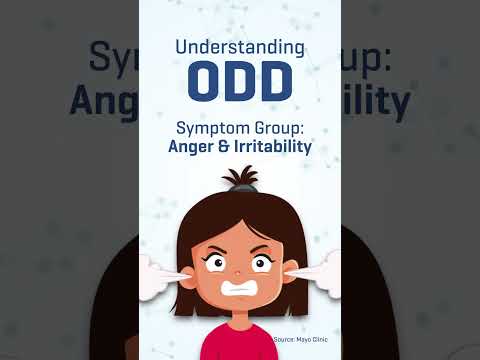
Oppositional Defiant Disorder (ODD) is a behavioral condition primarily seen in children. It’s where kids consistently show anger, irritability, and defiance towards authority figures. You might notice things like frequent tantrums or argumentative behavior. So what’s going on here?
Common Symptoms
Kids with ODD may often lose their tempers or argue with adults. They might deliberately annoy others or blame others for their mistakes. These behaviors can impact their relationships and schooling.
- Avoiding rules or requests from parents.
- Exhibiting a lot of mood swings.
- Bearing a grudge or being touchy.
The intensity of these symptoms can vary, sometimes making it tricky to pin down. It’s important to consider the context—every child can have tough days!
Coping Strategies
Navigating ODD can be challenging for both kids and their families. Building positive connections is key here. Think of it like nurturing a plant—the more love and attention you give, the better it grows.
- Consistent routines help kids feel secure.
- Positive reinforcement encourages good behavior.
- Clear communication about expectations reduces confusion.
You know? Sometimes, just listening to how they feel can diffuse tension. The goal is to create an environment where they feel understood rather than judged.
The Role of Caregivers
Caring for a child with ODD takes patience and dedication. It’s not always easy; frustrations might mount quickly during tough days. Seeking support from professionals can provide families with practical strategies tailored to their situation.
You might also find that connecting with other parents facing similar challenges offers comfort and insight. Sharing experiences often lightens the burden!
Mental Health Considerations
If you notice persistent signs of distress in your child, pursuing assessment through mental health professionals is wise. Early intervention can lead to more effective strategies for managing behaviors over time.
- Family therapy could improve communication dynamics.
- Cognitive-behavioral therapy (CBT) helps in addressing negative thought patterns.
A Final Thought
Navigating ODD requires understanding and empathy from everyone involved—parents, teachers, friends! Remember that building positive connections takes time—it’s a process filled with ups and downs, just like any relationship really!
Unlocking Effective Strategies for Managing Defiant Behavior in Children
Understanding Oppositional Defiant Disorder
When a child consistently displays defiant behavior, it can really be frustrating for parents and caregivers. Oppositional Defiant Disorder (ODD) is a pattern of angry or irritable mood, argumentative or defiant behavior, and vindictiveness. It’s more than just typical childhood mischief; it’s persistent and usually noticeable in multiple settings like home and school.
Symptoms of ODD
Kids with ODD may often argue with adults, refuse to comply with rules, or deliberately annoy others. They might blame others for their mistakes or get angry easily. Have you seen a child who seems to challenge authority at every turn? That could be part of the bigger picture.
- Frequent temper tantrums.
- Excessive arguing with adults.
- Defiance towards rules.
- Easily annoyed by others.
- Bearing grudges or being spiteful.
The thing is, it’s important to recognize these behaviors early. But diagnosing ODD requires careful consideration by professionals who look at the child’s age and development level. Not all strong-willed children have ODD!
Effective Strategies for Management
Managing defiant behavior doesn’t mean using harsh discipline. In fact, it’s about finding constructive ways to communicate and guide your child. Positive reinforcement can work wonders! Rewarding good behavior helps kids feel valued while reducing negative actions over time.
- Create clear expectations: Make sure your child understands what you expect from them in a given situation.
- Consistent consequences: Setting up logical consequences for misbehavior helps children learn from their actions.
- Cuddle time: Use affection to bond! A simple hug can help reduce tension after a conflict.
You know, showing empathy works too! Listening might seem like an easy thing to do but sometimes kids just want someone to hear their frustration without judgment. Imagine being that person for your child—it changes the dynamic!
The Role of Caregivers
Caring for a child with defiant behavior can be taxing emotionally. It’s vital that caregivers also take care of themselves during such times. Support groups can provide much-needed encouragement and advice from others experiencing similar challenges.
- Self-care matters: Whether it’s exercise or meditation—find what keeps you balanced!
- Avoid power struggles:If arguments arise, choose battles wisely; sometimes, letting go is the better choice.
A positive environment goes a long way in managing these behaviors effectively. Surround your child with encouragement rather than criticism whenever possible; it means more than words can say!
The Bottom Line
Navigating ODD in children isn’t easy but understanding the symptoms and applying effective strategies offers hope for improvement over time—and remember, every effort counts! Sometimes it’s all about small steps that lead us closer towards long-lasting positive change in our little ones lives!
Understanding Oppositional Defiant Disorder: Symptoms and Care
Oppositional Defiant Disorder (ODD) is a behavioral condition typically diagnosed in childhood. It can be tough for both kids and their parents. It’s essential to grasp the symptoms to approach care effectively.
Children with ODD often show a pattern of angry outbursts, defiance, and irritability. You might notice them arguing with authority figures or refusing to comply with rules. This can be frustrating, not just for parents but also for teachers and peers.
The symptoms are usually more than just typical childhood behavior. Imagine a child who often seems to challenge rules, responds negatively to instructions, or blames others for their mistakes. These behaviors can lead to serious issues in social settings and at school.
Caring for a child with ODD involves patience and understanding. Strategies may exist that help manage the behaviors effectively, such as consistent routines or positive reinforcement techniques. Therapy can also provide valuable support—not just for the child but the whole family.
Creating an environment where open communication thrives is vital. Encourage kids to express their feelings in healthy ways rather than acting out. Building strong relationships may help reduce some of the tension associated with these challenges.
It’s worthwhile considering that what works best varies from one child to another—there’s no one-size-fits-all solution here. Involving professionals when needed ensures you’re not alone on this journey; they can offer tailored strategies suited for your child’s specific situation.
Overall, having a solid understanding of ODD—its symptoms and possible care strategies—can lead to more effective management of the disorder. Empathy and patience make all the difference as children navigate through their emotions and behaviors.