The information provided in this article is intended solely for general informational and educational purposes. It does not constitute medical advice, diagnosis or professional treatment, and should not be considered a substitute for consultation with a qualified doctor or other licensed healthcare professional. Any health-related decisions should be made in consultation with accredited medical professionals.
While efforts have been made to ensure the information is accurate and up to date, no guarantees are given—either express or implied—regarding its accuracy, completeness, currency or suitability. Use of this information is at your own discretion.
It is strongly recommended to consult official sources such as the NHS (National Health Service) or other recognised medical institutions before acting on any information contained on this website or article. Under no circumstances should professional medical advice be ignored or delayed due to content read here.
This content is of a general and informational nature only. It is not intended to replace individualised guidance from a healthcare professional or to establish any doctor-patient relationship. The publication of this information does not imply any professional responsibility, guarantee or obligation on the part of the author or this site.
Understanding Oral Health: Safe Practices for Pleasure
Did you know that maintaining good oral health can actually boost your overall well-being? Think about it: our mouths are gateways to our bodies, impacting everything from nutrition to confidence. It’s kind of wild, right?
Many people overlook how important oral hygiene is not just for preventing bad breath or cavities, but also for enhancing intimacy and pleasure. It’s a topic that deserves more attention. After all, no one wants to worry about their smile during special moments.
This article dives into safe practices that you can adopt to ensure your mouth stays healthy while enjoying life fully. We’ll explore simple tips and habits that can make a huge difference.
Remember, though—this isn’t meant to replace medical advice! It’s essential to consult healthcare professionals when making decisions about your oral health. Your well-being should always be a priority.
Let’s chat about how you can keep that smile sparkling while enjoying every moment.
Unlocking a Simple Strategy for a Brighter Smile
Understanding Oral Health
Hey, let’s talk about oral health! It’s super important and goes beyond just having pearly whites. You know, a healthy mouth can affect your whole body, not just your smile. It can even help with confidence and self-esteem.
The Basics of Oral Hygiene
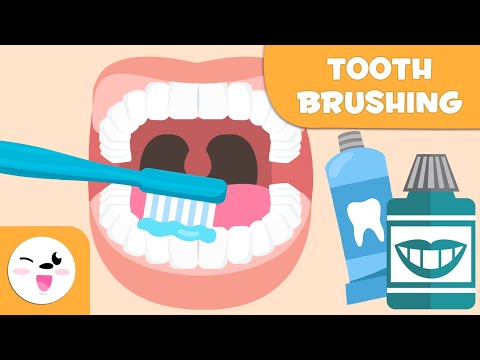
First off, what is oral hygiene? It’s simply keeping your mouth clean and free from diseases. Regular brushing and flossing are the main practices here. Brushing at least two times a day helps remove plaque—this sticky stuff that builds up on your teeth.
Flossing is equally key. Think of it like cleaning between books on a shelf. Without flossing, food particles and plaque can get trapped between teeth, leading to cavities or gum issues.
The Role of Diet
Your diet plays a big role too. Foods high in sugar can lead to tooth decay. Have you ever noticed how sweet candies stick to your teeth? That’s because the bacteria in your mouth feed on sugar and produce acid as a byproduct, which is bad news for enamel—your teeth’s protective layer.
- Fruits and veggies are great for your mouth!
- Dairy products like cheese can help neutralize acids.
- Drinking water is always beneficial; it flushes away harmful substances.
Avoiding Bad Habits
Sometimes, we don’t realize our habits can harm our oral health. Smoking or chewing tobacco is one example that has dire consequences on gums and overall health.
If you enjoy drinking coffee or tea, be mindful of stain potential! Rinsing your mouth with water after these drinks can help keep those stains at bay.
You might think regular visits to the dentist are just about cleanings or fixing problems. But they’re also about prevention! Dentists check for early signs of cavities or gum disease that you may not even notice yet.
A good rule of thumb is to see the dentist every six months but don’t hesitate if something feels off before then!
The Importance of Consistency
The thing is, being consistent with these practices makes a big difference over time—it’s not about being perfect every day but making an effort regularly. Just like exercise; it’s the steady routine that pays off eventually.
- Create reminders for brushing or flossing if you forget sometimes.
- Get into routines that incorporate oral hygiene seamlessly into daily life – like brushing after breakfast!
Sharing what you know with friends or family might also encourage good habits all around. Sometimes people don’t realize how simple changes could make their smiles brighter!
This whole journey towards better oral health isn’t just about looks—it’s about feeling good overall too! Just as we take care of our bodies through exercise and nutrition, our mouths need love as well.
Think little changes first! That way they’re easier to stick with long-term!
Unlocking the Secrets to a Brighter Smile and Healthier Teeth
Understanding Oral Health
Let’s face it, we all want a bright smile, right? It’s not just about looking good; oral health is linked to overall well-being. Poor oral hygiene can lead to problems like tooth decay or gum disease which can affect your body in ways you might not expect. Seriously, it matters.
The Basics of Oral Hygiene
Good oral hygiene starts at home. Brushing twice a day and flossing daily are essential habits. Think of brushing as giving your teeth a nice bath, washing away food particles and plaque (that sticky stuff that builds up). Flossing? It’s like getting into those hard-to-reach gaps where the toothbrush just can’t go.
Choosing the Right Tools
Not all toothbrushes are created equal! A soft-bristled brush is usually recommended because it’s gentle on your gums while still being effective. And don’t forget about toothpaste—look for fluoride options, as fluoride helps protect against cavities.
The Role of Diet
Your diet also plays a significant role in how healthy your mouth is. Sugary foods are basically party invitations for bacteria that cause cavities. On the flip side, crunchy fruits and veggies can do wonders for your teeth by acting like natural cleaners.
Regular Dental Check-ups
You know how you get regular check-ups with your doctor? Well, you need them for your teeth too! Visiting the dentist every six months helps catch any issues early on before they become bigger problems. Plus, they can give your teeth a professional clean that takes things up a notch.
Mouthwash: Worth It?
Mouthwash can be helpful but think of it more as an addition to your routine rather than a substitute for brushing and flossing. Some mouthwashes help kill bacteria; others freshen breath but always read labels to find one that suits you best.
Protecting Your Smile
If you play sports or grind your teeth at night, consider investing in a mouthguard. This little piece of gear can prevent serious damage to your pearly whites during activities or while you sleep—trust me on this one!
The Impact of Smoking and Alcohol
Smoking isn’t great for anyone’s health—and it definitely doesn’t help with oral health either. It can lead to gum disease and even cancer down the line… yikes! Similarly, excessive alcohol consumption can dry out the mouth which increases risk for tooth decay.
Final Thoughts on Oral Health
A brighter smile starts with small steps toward better habits every day. You might be surprised at how much difference those tiny actions make over time—kind of like watering plants regularly helps them grow! Remember, doing these things consistently is key.
Essential Tips for a Bright Smile and Healthy Teeth
Taking care of your teeth is more than just brushing them. It’s about building good habits that will stick with you throughout life. A bright smile doesn’t just look good; it reflects your overall health too.
Brush Regularly
You’ve probably heard it a million times, but brushing twice a day really helps maintain a healthy mouth. Use fluoride toothpaste, as it protects your teeth from decay. Make sure to brush for at least two minutes each time, covering all surfaces. You know, the front, back, and chewing surfaces.
Floss Daily
Brushing alone won’t get rid of all the food particles stuck between your teeth. That’s where flossing comes in handy! Think of floss like a tiny toothbrush that fits into tight spaces. Floss once a day to keep those areas clean.
Mouthwash Matters
Mouthwash can be an extra boost for your oral health. Look for one that kills bacteria and freshens breath. However, don’t rely solely on mouthwash; it’s like icing on the cake but not the cake itself!
Watch Your Diet
Your diet plays a huge role in oral health too. Sugary snacks can lead to cavities because they feed harmful bacteria in your mouth. Instead of candy, consider munching on fruits or veggies—they’re not just good for you but also help clean teeth while you eat them!
Stay Hydrated
You might not think about it much, but drinking water is crucial for keeping your mouth healthy. Water helps wash away food particles and keeps saliva flowing—saliva is our body’s natural defense against tooth decay.
Avoid Tobacco Products
Tobacco isn’t just bad for lungs; it’s also harmful to teeth and gums! It can lead to stains and gum disease over time. If this is something you’re using, consider finding support to quit.
Regular Dental Checkups
This one’s important: see a dentist at least once every six months! These visits are vital for catching issues early and preventing bigger problems later on—kind of like regular car maintenance keeps an engine running smoothly.
Be Mindful with Whitening Products
If you’re thinking about whitening products or treatments, do some research first! Some options can harm enamel if used incorrectly or too often—nobody wants that! Consulting with a dentist before trying anything can save you trouble down the line.
Your Bright Smile Awaits!
Loving your smile means taking care of it through daily habits and making smart choices along the way. Remember that small changes can have big impacts on oral health over time.
Oral health often takes a backseat in conversations about overall well-being, yet it’s foundational to both physical and emotional health. Safe practices for oral pleasure, encompassing activities like kissing or oral sex, can bridge the gap between enjoyment and health.
First off, maintaining good oral hygiene is crucial. Regular brushing and flossing remove plaque—a sticky film of bacteria—minimizing risks of infections that could spread during intimate moments. Think of it like keeping your garden tidy; a well-kept space is less likely to attract pests.
Moreover, awareness of sexually transmitted infections (STIs) is important. Engaging in open discussions with partners can help you understand risks. Just as you’d discuss boundaries or preferences, talking about sexual health fosters trust and safety.
Using barrier methods, like flavored condoms for oral sex, adds an extra layer of protection. This not only reduces the risk of STIs but can also make the experience feel more adventurous—kind of like trying out new flavors at an ice cream shop!
Another aspect often overlooked is hydration. Staying well-hydrated keeps your mouth moist and enhances pleasure while reducing discomfort. It’s like watering a plant; when it’s hydrated, it thrives and flourishes.
Cultural factors also play a role in how we view oral practices. Some societies embrace them fully while others may carry stigma. Recognizing these differences can enhance communication between partners who may come from diverse backgrounds.
In reflection, understanding safe practices around oral pleasure not only enriches physical intimacy but also cultivates deeper connections based on respect and awareness between partners.