The information provided in this article is intended solely for general informational and educational purposes. It does not constitute medical advice, diagnosis or professional treatment, and should not be considered a substitute for consultation with a qualified doctor or other licensed healthcare professional. Any health-related decisions should be made in consultation with accredited medical professionals.
While efforts have been made to ensure the information is accurate and up to date, no guarantees are given—either express or implied—regarding its accuracy, completeness, currency or suitability. Use of this information is at your own discretion.
It is strongly recommended to consult official sources such as the NHS (National Health Service) or other recognised medical institutions before acting on any information contained on this website or article. Under no circumstances should professional medical advice be ignored or delayed due to content read here.
This content is of a general and informational nature only. It is not intended to replace individualised guidance from a healthcare professional or to establish any doctor-patient relationship. The publication of this information does not imply any professional responsibility, guarantee or obligation on the part of the author or this site.
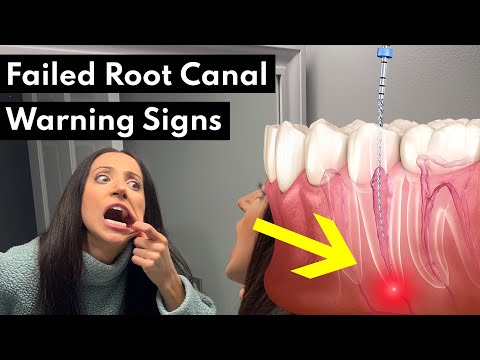
Have you recently had a root canal? If so, you might be wondering, “Is this pain normal?” It’s a common concern. Maybe you’ve heard it’s a painful procedure, and now you’re experiencing discomfort that feels intense. You’re not alone; many people have similar thoughts after dental work.
This article dives into understanding pain after a root canal. We’ll talk about what signs to watch for and when it’s important to reach out for help. Pain can vary from mild to severe, and knowing the difference is key. Sometimes it’s just part of the healing process; at other times, it could signify something more serious.
Your dental health matters greatly, and recognizing these signals can help you manage your recovery better. Pain management is crucial because it affects your daily life—eating, speaking, even sleeping can be tough when discomfort lingers.
Keep in mind that this content isn’t a substitute for professional medical advice. Health decisions should always involve consultation with a healthcare professional who understands your individual situation.
Quick and effective relief strategies for post-root canal discomfort
Understanding Discomfort After a Root Canal
Getting a root canal can be a bit daunting, right? But it’s actually a common procedure that helps save teeth. However, like any medical procedure, some discomfort can follow. Knowing the signs and how to manage pain can make things easier.
Common Symptoms Post-Procedure
- Slight swelling in the gums.
- Tenderness or pain around the treated tooth.
- Sensitivity to hot or cold.
These symptoms are usually normal and should fade over time. However, sometimes they can feel more intense than expected. This is when relief strategies come into play.
Simple Relief Strategies
You might wonder, what can I do if I’m feeling discomfort? There are several approaches that could help.
- Ice packs: Applying an ice pack on your cheek for about 15 minutes at a time may reduce swelling and numb the area slightly.
- Pain relievers: Over-the-counter medications like ibuprofen or acetaminophen can be helpful. Just be sure to follow the instructions on the label.
- Saltwater rinses: Rinsing with warm salt water can soothe your gums and reduce irritation—think of it as a gentle cleanse for your mouth!
- Avoid certain foods: Steer clear of hard or chewy foods for a few days to avoid putting pressure on the sensitive area.
When You Should Call Your Dentist
If you notice any severe pain that doesn’t subside within a few days, that’s something to mention to your dentist. Other signs to watch for include fever, excessive swelling, or pus discharge—these could indicate an infection.
You know how sometimes we have those nagging feelings something isn’t right? Trust those instincts! Reaching out for professional advice is always wise if you’re worried.
A Few Final Thoughts
Pain tolerance differs among individuals; what’s mild for one person may feel intense for another. The goal here is managing comfort while also ensuring you heal properly. Use these strategies as helpers along your journey!
The key takeaway is staying in touch with your dental provider if anything feels off. Open communication is crucial when it comes to recovery!
Understanding the Unexpected Discomfort Following Your Procedure
So, you’ve just had a root canal, and now you’re feeling some discomfort. First off, that’s totally normal. It’s common to feel some pain after dental procedures. Let’s break down what happens, why it might hurt, and when you should seek help.
What Causes the Pain?
Think of it like this: your tooth has gone through a bit of trauma. During a root canal, the dentist removes infected pulp from inside the tooth. This can cause irritation to surrounding nerves and tissues.
You might also have some inflammation after the procedure. Inflammation is just your body’s way of healing itself but can lead to discomfort in that area.
Types of Discomfort You Might Feel
- Mild Pain: Some soreness in your jaw or around the tooth is pretty normal.
- Sensitivity: It might feel sensitive to hot or cold for a little while.
- Soreness from Anesthesia: The area may be tender where they injected numbing medicine.
When Should You Be Concerned?
If you notice escalating pain instead of improvement over a few days, that could be a red flag. Also watch out for symptoms like fever or swelling that seems unusual.
If your pain feels sharp or throbbing rather than dull and achy, it’s worth giving your dentist a call. They know what’s typical after these procedures and can give advice tailored just for you.
Coping with Discomfort
You can generally manage mild pain with over-the-counter pain relievers like ibuprofen or acetaminophen. Make sure to follow the dosage instructions on the packaging!
Icing the area outside your cheek may help reduce swelling as well. Just remember not to apply ice directly on skin; wrap it in cloth first!
A Word About Expectations
The thing is, everyone heals at different speeds. Some people bounce back quickly while others take their time—and that’s okay! Your body knows what it needs.
If everything feels overwhelming or unusual though, reaching out for support is important! Your dental team wants to ensure you’re comfortable and on track with recovery.
Final Thoughts
Pain after a root canal isn’t surprising; it’s part of healing. Keep an eye on how you’re feeling and don’t hesitate to ask questions if something seems off. You’re not alone in this process—lots of folks go through similar experiences!
Understanding Discomfort: Why Your Tooth Hurts When You Bite After a Root Canal
So, you just had a root canal, and now when you bite down, there’s discomfort? That’s not uncommon! Let’s break it down.
What Happens During a Root Canal?
A root canal is a procedure to save a damaged tooth. The dentist removes the infected or inflamed tissue inside the tooth. They clean and disinfect the area, then seal it up. But this doesn’t mean everything feels perfectly fine right away.
Why Does It Hurt When You Bite?
Your tooth might feel sore for several reasons after this procedure. First off, inflammation is totally normal. Think of inflammation like swelling; it happens because your body is healing itself.
- Nerve Sensitivity: Sometimes, the nerves can be extra sensitive after treatment.
- Biting Pressure: Even if the root canal was successful, the surrounding tissues need time to adjust to being “normal” again.
- Leftover Infection: An infection could still be lurking around in and near the tooth area.
The Importance of Healing Time
Your body requires time to heal after dental work. This means that slight discomfort can happen as everything settles into place. It’s natural! But what do you do if it’s more than just mild discomfort?
When Should You Call Your Dentist?
If pain escalates or if there’s swelling that doesn’t go down after a few days, that’s when you should reach out. Other signs might include:
- You notice pus or unusual drainage from your gums.
- The pain feels sharp or doesn’t improve with over-the-counter medication.
- You have a fever along with tooth pain.
Pain Management Post-Root Canal
You can take steps at home to manage discomfort. Over-the-counter pain relievers can help ease soreness—ask your pharmacist for suggestions tailored to your needs. Also, try sticking to soft foods for a little while and avoid anything too hot or cold.
A Word of Caution
Please also remember that everyone’s experience can vary widely after a root canal. This means some might heal quickly while others may take longer than expected—be patient with yourself!
If you’re ever unsure about what you’re feeling post-procedure, just pick up that phone and talk to your dentist—they’re there to help!
Understanding Pain After Root Canal: Signs and When to Call
So, getting a root canal is often met with fear and apprehension. But, honestly, it’s usually a pretty straightforward procedure that can relieve persistent tooth pain. Still, pain after the procedure is something many people experience.
The thing to understand is that some discomfort is normal. Your mouth has just gone through a significant procedure, so mild soreness can occur. It often feels like a dull ache and should gradually improve over time.
However, not all pain is created equal. If you experience severe pain that doesn’t seem to get better or even worsens after a few days, that could be a red flag. Other signs to watch for include swelling in your gums or face and changes in your bite sensation.
If you’re facing any of these symptoms, it’s always better to err on the side of caution. A follow-up visit with your dentist could clarify whether it’s just your body healing or if there’s another issue at play—like an infection or incomplete treatment.
In many cases, calling your dentist can alleviate anxiety. They may provide guidance on managing discomfort or recommend an examination if necessary.
In short, while some soreness is expected after a root canal, listen to your body. Don’t hesitate to reach out for support if something feels off—that’s what your dental team is there for!