
The information provided in this article is intended solely for general informational and educational purposes. It does not constitute medical advice, diagnosis or professional treatment, and should not be considered a substitute for consultation with a qualified doctor or other licensed healthcare professional. Any health-related decisions should be made in consultation with accredited medical professionals.
While efforts have been made to ensure the information is accurate and up to date, no guarantees are given—either express or implied—regarding its accuracy, completeness, currency or suitability. Use of this information is at your own discretion.
It is strongly recommended to consult official sources such as the NHS (National Health Service) or other recognised medical institutions before acting on any information contained on this website or article. Under no circumstances should professional medical advice be ignored or delayed due to content read here.
This content is of a general and informational nature only. It is not intended to replace individualised guidance from a healthcare professional or to establish any doctor-patient relationship. The publication of this information does not imply any professional responsibility, guarantee or obligation on the part of the author or this site.
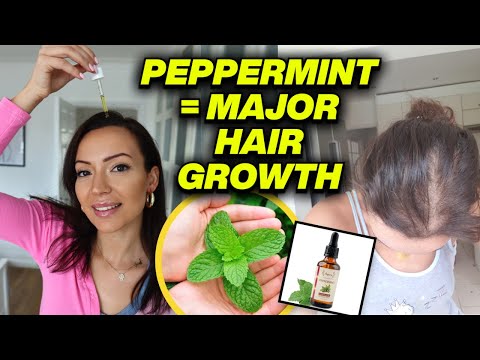
Have you ever wondered why some people seem to have the thickest hair while others struggle with thinning locks? It can be frustrating, right? Well, you might be surprised to learn that something as simple as peppermint oil could play a role in hair growth and care.
This article dives into how peppermint oil can nourish your scalp and potentially boost hair growth. It’s not just a fragrant addition to your tea or toothpaste; it has properties that many people are now looking at for their hairstyles.
You see, essential oils have been around for ages, but not all of them are created equal. Peppermint oil, for instance, is gaining attention for its stimulating effects. This means it might help improve blood circulation in your scalp, which is key for healthy hair.
But hey, while we’re exploring this exciting topic together, it’s vital to remember that this content doesn’t replace medical advice. Always consult your healthcare professional before making any changes related to hair health or treatments.
So let’s uncover the facts and myths about peppermint oil and its role in our hair care routine!
Uncovering the Hidden Risks of Peppermint Oil for Your Hair
Understanding Peppermint Oil
Peppermint oil has gained popularity in hair care. It’s often praised for its refreshing scent and potential benefits. But what about the hidden risks? Let’s break it down.
What is Peppermint Oil?
Peppermint oil comes from the leaves of the peppermint plant. It’s rich in menthol, which gives it that cool feeling when you apply it. This oil is often used in shampoos and conditioners, sometimes as a natural remedy for hair growth.
Potential Benefits
Many people believe peppermint oil can stimulate hair growth. The idea here is that menthol increases blood flow to the scalp, which could help the hair follicles become more active. Look, while that sounds good, there’s limited scientific research out there supporting these claims.
The Risks
Even though it’s natural, peppermint oil isn’t without risks. Some folks may experience allergic reactions—redness or itching on the scalp might occur. Also, applying undiluted oil directly can cause burns or irritation.
How to Use It Safely
If you’re thinking about using peppermint oil for your hair, dilution is key. Mixing it with a carrier oil like coconut or jojoba can help reduce any irritation risk. Just a few drops mixed into your usual product might be enough.
Beware of Overuse
A little goes a long way! Applying too much peppermint oil can lead to an overwhelming tingling sensation—kind of like when you eat something super spicy! It’s essential to pay attention to how your scalp reacts after use.
The Bottom Line
Peppermint oil might have some perks for hair care, but it’s not without its downsides. Always patch test first if you’re new to it. And remember, combining with other treatments or oils may be wiser than relying solely on one ingredient.
If You Have Concerns
If you’re unsure about using peppermint oil on your hair, talking things over with someone knowledgeable in hair health might give you more insight! Listening to other people’s experiences can be helpful too—they give real-world context!
Unlock the Secrets to Luscious Locks with Nature’s Refreshing Elixir
Understanding Peppermint Oil’s Role in Hair Growth and Care
Peppermint oil has become quite popular for hair care. But, what’s the connection between peppermint oil and hair growth? Well, it turns out there are a few reasons people are turning to this refreshing elixir.
How Does Peppermint Oil Work?
The main component of peppermint oil is menthol. This gives it that cool, tingling sensation, you know? When applied to the scalp, menthol can increase blood flow. More blood means more nutrients reaching the hair follicles.
Hair follicles are like tiny factories that produce hair. If they get enough nutrients and oxygen, they might work better. But remember, individual results can vary!
Potential Benefits for Hair Health
- Cleansing Properties: Peppermint oil has natural antiseptic qualities. It may help keep your scalp clean by combating bacteria and fungi.
- Stimulating Growth: Some people believe that using peppermint oil might promote thicker hair due to increased circulation.
- Soothing Irritation: If you’ve got an itchy scalp or dandruff issues, peppermint’s cooling effect could bring some relief.
How to Use Peppermint Oil Safely
You can add a few drops of peppermint oil to your shampoo or conditioner. Alternatively, try mixing it with a carrier oil like coconut or jojoba before applying it directly on your scalp.
A little goes a long way! Start with just one or two drops to see how your scalp reacts first. Diluting the essential oil is key; it can be potent when used alone.
You Can’t Rely Solely on It
Peppermint oil isn’t a miracle solution for hair loss or growth issues. It’s best considered as part of your overall hair care routine along with healthy diet and proper hygiene practices.
If you’re having serious concerns about hair loss, consulting a healthcare professional is always smart. They can help identify underlying causes that might need attention.
The Bottom Line
Peppermint oil has some interesting properties that may benefit your hair care regimen. However, it’s essential to approach it with realistic expectations and patience as well as focus on nourishing your overall health!
Transform Your Tresses: Discover the Surprising Benefits of Peppermint Oil for Hair Growth
Understanding Peppermint Oil’s Role in Hair Growth and Care
Peppermint oil is more than just a refreshing scent. It comes from the leaves of the peppermint plant and has a variety of uses, including hair care. Lots of people are curious about its benefits for hair growth, so let’s break this down.
What Makes Peppermint Oil Special?
The oil contains compounds like menthol, which can stimulate blood circulation in the scalp. Think of it like giving your scalp a gentle wake-up call. When you increase that blood flow, your hair follicles may get more nutrients and oxygen, which is essential for healthy growth.
How to Use Peppermint Oil
You wouldn’t just pour peppermint oil directly on your head; it needs to be diluted first. Mixing it with a carrier oil like coconut or jojoba helps prevent irritation while still delivering those benefits. Just a few drops mixed with the carrier oil can go a long way.
You might apply this mix directly to your scalp during a massage. This not only feel good but also allows better absorption of the oils into your skin.
Potential Benefits for Hair Health
- Improved Scalp Health: The antiseptic properties may help keep dandruff at bay and promote overall scalp cleanliness.
- Increased Hair Thickness: Some people have experienced thicker strands over time when using it consistently.
- Scented Refreshment: Beyond hair growth, who doesn’t love that minty freshness? It can also make your hair smell great!
A Note on Expectations
Misinformation Alert!
You may have come across claims saying peppermint oil can dramatically transform your tresses overnight. Honestly? That sounds too good to be true! There’s no magical solution for rapid hair growth; patience is key here.
Final Thoughts
Peppermint oil could be an interesting addition to your hair care routine if you’re looking for something new! Whether you’re trying it out for its cooling sensation or potential benefits, keeping expectations realistic helps too.. Always remember the basics: healthy diet, hydration, and gentle handling of your hair matter most in the long run.
Understanding Peppermint Oil’s Role in Hair Growth and Care
Peppermint oil has become popular in the world of hair care. People often turn to it for its potential benefits, but it’s important to understand what’s really going on.
First off, peppermint oil contains menthol. This compound can improve blood circulation when applied to the scalp. Think of it like giving your hair follicles a gentle wake-up call. Increased blood flow can help nutrients reach the hair roots more effectively.
There’s also evidence suggesting that peppermint oil may promote hair growth. A study showed that when compared to minoxidil, a common treatment for hair loss, peppermint oil led to more significant hair growth in a certain period. However, more research is needed before we jump to conclusions.
Using peppermint oil isn’t just about growth; it may also help with scalp health. Its antimicrobial properties can keep your scalp clean and free from dandruff or infections, which is vital for healthy hair.
Still, some people may experience skin irritation when using essential oils like peppermint. It’s wise to dilute it with a carrier oil before applying directly to the scalp—like coconut or jojoba oil—which helps reduce any potential irritation.
Finally, remember consistent use is key here. Incorporating peppermint oil into your routine could take time before you see noticeable changes in your hair health.
The takeaway? Peppermint oil shows promise for promoting hair growth and maintaining scalp health, but always proceed with caution and consider individual sensitivities.

