Pericarditis is a condition that might not often cross your mind, yet it’s more common than you may think. Imagine your heart wrapped in a cozy, protective layer—this is the pericardium. Sometimes, this layer becomes inflamed, leading to discomfort and difficulty for the heart. But what exactly does that mean for you?
In this guide, we’ll explore the symptoms of pericarditis. You’ll learn how it can feel like a tight grip on your chest or perhaps a sharp pain that radiates to your shoulders or back. We’ll also delve into treatment options available, helping you understand how healthcare experts can help manage this condition.
But here’s a crucial reminder: while we provide valuable insights here about pericarditis, health matters are personal and complex. It’s vital to consult various specialists and consume information from reliable sources before making decisions about your health. By seeking diverse perspectives and knowledge, you’re taking an essential step towards informed choices regarding your well-being. Let’s dive into understanding pericarditis together!
The information provided in this article is intended solely for general informational and educational purposes. It does not constitute medical advice, diagnosis or professional treatment, and should not be considered a substitute for consultation with a qualified doctor or other licensed healthcare professional. Any health-related decisions should be made in consultation with accredited medical professionals.
While efforts have been made to ensure the information is accurate and up to date, no guarantees are given—either express or implied—regarding its accuracy, completeness, currency or suitability. Use of this information is at your own discretion.
It is strongly recommended to consult official sources such as the NHS (National Health Service) or other recognised medical institutions before acting on any information contained on this website or article. Under no circumstances should professional medical advice be ignored or delayed due to content read here.
This content is of a general and informational nature only. It is not intended to replace individualised guidance from a healthcare professional or to establish any doctor-patient relationship. The publication of this information does not imply any professional responsibility, guarantee or obligation on the part of the author or this site.
Essential Insights into Identifying Pericarditis Symptoms
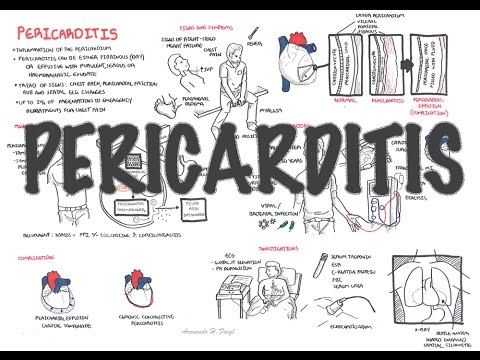
Understanding pericarditis is crucial for recognizing its symptoms and seeking timely help. Pericarditis is inflammation of the pericardium, the double-walled sac surrounding the heart.
The symptoms can sometimes be mistaken for other conditions. Recognizing them early can make a big difference in treatment.
Common symptoms include:
Understanding how these symptoms feel is key. Think of chest pain as a balloon being squeezed too tightly; it can be uncomfortable and alarming.
If you experience any of these signs, especially if they are sudden or severe, it’s important to consult with a healthcare provider. Don’t just brush them off, as they could point to serious issues.
Mistaken beliefsabout pericarditis often exist. Some people think it only affects older adults, but it can occur at any age.
Other myths include assuming all chest pain indicates a heart attack. While that is possible, pericarditis has its own distinct characteristics that differ from typical heart attack symptoms.
Treatment typically involves anti-inflammatory medication and rest. In some cases, more advanced therapies may be necessary depending on the underlying cause.
Awareness is power when it comes to health decisions. Knowing what pericarditis is and how its symptoms present can lead to better outcomes through prompt care.
Listening to your body is essential! Don’t ignore persistent discomfort or changes in your health—that’s always worth discussing with someone who can help navigate these complex situations!
Essential Mistakes to Sidestep for a Speedy Recovery
Recovering from pericarditis, an inflammation of the heart’s outer lining, requires attention to several key factors. Avoiding common mistakes can lead to a smoother healing process. Here are essential errors to sidestep for a speedy recovery.
Don’t Ignore Symptoms.
Listening to your body is crucial. If you feel persistent chest pain or abnormal heartbeats, don’t brush it off. Seek medical help promptly.
Skipping Follow-ups.
Regular check-ins with a healthcare provider help track your progress. Missing appointments can delay important care adjustments.
Overexerting Yourself.
Rest is vital during recovery. Jumping back into strenuous activities too soon can exacerbate your condition. Think of your body like a phone battery; it needs time to recharge before heavy use.
Poor Nutrition Choices.
Eating well supports healing. Focus on a balanced diet rich in fruits, vegetables, whole grains, and lean proteins. Avoid excessive salt and processed foods; they can cause fluid retention and pressure on the heart.
Neglecting Medication.
If prescribed medication, take it as directed. Some people skip doses or stop when symptoms improve, but this can lead to setbacks or worsening symptoms.
Not Managing Stress.
Stress can impact recovery negatively. Techniques like meditation or gentle yoga can promote relaxation and help you cope better during this time.
Ignoring Fluid Restrictions.
Sometimes doctors recommend limiting fluid intake if there’s swelling or heart strain involved. Take these guidelines seriously—think of your body needing certain limits for optimal function.
Falling for Misconceptions.
Educate yourself about pericarditis from reliable sources. Myths abound regarding treatment; rely on facts rather than hearsay.
By being mindful of these common pitfalls during your recovery from pericarditis, you’re taking proactive steps towards better health. Remember that each person’s experience is unique, so what works for one may not work for another. Always keep open communication with healthcare professionals for personalized guidance along the way!
Essential Steps to Alleviate Pericarditis Discomfort
Pericarditis is an inflammation of the pericardium, the thin sac surrounding your heart. This condition can lead to discomfort or chest pain, which can be distressing. Understanding how to manage this discomfort is key to feeling better.
First and foremost, rest is vital. Think of your body as a car; it needs time to cool down and recharge. Overexertion can worsen symptoms, so take it easy.
Next, using over-the-counter medications like ibuprofen or aspirin can help reduce inflammation and relieve pain. Always check the label and consult a healthcare provider if you’re unsure about taking any medication.
Applying a warm compress or heating pad on your chest can also provide soothing relief. Imagine wrapping yourself in warmth; it often makes muscle tension less noticeable.
Another helpful step is to sit up or lean forward when experiencing pain. This position may ease pressure on your heart and improve comfort levels.
Staying hydrated is essential too. Drinking plenty of fluids supports overall health and helps maintain bodily functions during this time.
Be mindful of your diet. Focus on consuming anti-inflammatory foods, such as leafy greens, nuts, and fish rich in omega-3 fatty acids. These choices may support recovery without replacing medical treatment.
Keep track of your symptoms in a journal as well. Documenting when pain occurs or worsens can help you identify triggers and discuss them with a healthcare provider later on.
Lastly, remember that emotional support matters too. Talk to friends or family about what you’re feeling; sharing experiences often lightens the load.
In summary:
Each person’s experience with pericarditis varies greatly. What works well for one might not work the same way for another. Always remain engaged with a healthcare provider regarding your treatment plan and symptom management strategies. Taking informed steps allows you to better navigate through discomfort responsibly.
Reflecting on the topic of pericarditis brings to light the importance of understanding both the symptoms and treatment options for this condition. While pericarditis may not be as widely recognized as other heart conditions, it can significantly impact a person’s quality of life.
Pericarditis is the inflammation of the pericardium, which is a double-layered sac surrounding the heart. Recognizing its symptoms—such as sharp chest pain that may worsen with deep breaths or lying down—is crucial for early diagnosis. This parallels how we often treat minor injuries; addressing them quickly can prevent complications.
Treatment typically includes anti-inflammatory medications to reduce swelling and alleviate pain. In more severe cases, procedures might be necessary to drain excess fluid or relieve pressure on the heart. This mirrors how we approach a sprained ankle: first managing pain and inflammation, then considering further interventions if necessary.
By sharing clear information on pericarditis, we help demystify a complex health issue. Education empowers individuals to seek timely medical advice and fosters discussions about heart health in communities. Open dialogue enables patients to advocate for themselves effectively—underscoring that understanding our bodies is key to informed health decisions.