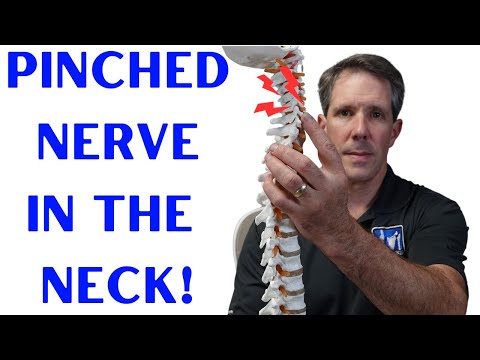
Have you ever felt a strange tingling or numbness in your arms or legs, almost like your limb has fallen asleep? This sensation could be linked to a pinched nerve. Understanding pinched nerves can seem complex, but it’s essentially about nerves being compressed or irritated. This leads to uncomfortable symptoms that can affect daily life.
Imagine a garden hose. When you step on it, water can’t flow freely. Similarly, a pinched nerve can occur when surrounding tissues like bones, muscles, or tendons apply too much pressure on the nerve itself. It’s not just about discomfort; recognizing the signs and causes of this condition is crucial for effective treatment.
While curiosity about your health is important, I encourage you to consult various specialists and reliable sources for accurate information regarding pinched nerves. Each individual’s experience can differ significantly based on their unique circumstances. Being well-informed allows you to make thoughtful decisions about your health and well-being.
The information provided in this article is intended solely for general informational and educational purposes. It does not constitute medical advice, diagnosis or professional treatment, and should not be considered a substitute for consultation with a qualified doctor or other licensed healthcare professional. Any health-related decisions should be made in consultation with accredited medical professionals.
While efforts have been made to ensure the information is accurate and up to date, no guarantees are given—either express or implied—regarding its accuracy, completeness, currency or suitability. Use of this information is at your own discretion.
It is strongly recommended to consult official sources such as the NHS (National Health Service) or other recognised medical institutions before acting on any information contained on this website or article. Under no circumstances should professional medical advice be ignored or delayed due to content read here.
This content is of a general and informational nature only. It is not intended to replace individualised guidance from a healthcare professional or to establish any doctor-patient relationship. The publication of this information does not imply any professional responsibility, guarantee or obligation on the part of the author or this site.
Uncovering the Signs: Recognizing When Nerve Compression Strikes
Nerve compression, often called a pinched nerve, can happen when surrounding tissues apply too much pressure on a nerve. This condition can lead to various uncomfortable symptoms. It’s important to recognize these signs early.
Understanding the Symptoms
The symptoms of a pinched nerve can vary widely. Most people experience:
These symptoms might come and go, depending on your activities. Sometimes they are mild but can become severe if untreated.
Common Causes
Several factors can cause nerve compression. Understanding these can help you avoid problems in the future:
Being aware of these causes allows you to take preventive measures.
The Role of Diagnosis
If you suspect a pinched nerve, it’s important to see someone who understands these conditions. They will likely ask about your symptoms and medical history, perform physical examinations, and may suggest imaging tests if necessary.
Prompt diagnosis is key to preventing further damage.
Treatment Options
While each case is unique, there are various treatment approaches available:
Understanding your options enables informed discussions about care strategies.
Myth-Busting: What Not To Believe
There are many misconceptions around pinched nerves:
- Nerve issues only happen in older adults – false. They can affect anyone at any age! li>
- Surgery is always required – false. Many cases improve without it! li>
- If it hurts, I need immediate treatment – false. Finding help is crucial, but not all pain requires urgent care! li>
Knowledge equips you with tools for better health decisions. Always consult reliable sources before making conclusions about your health!
In summary, staying aware of how your body feels is crucial in recognizing signs of nerve compression early. By understanding the symptoms, causes, diagnosis options, treatment strategies, and debunking myths surrounding this condition, you empower yourself with information for healthier choices moving forward.
Unraveling the Surprising Symptoms and Conditions That Mimic Nerve Pain
Many people experience nerve pain, often linked to conditions like a pinched nerve. But did you know that other health issues can mimic these symptoms? Understanding this can help you make more informed health choices.
First, let’s talk about what a pinched nerve really is. It happens when surrounding tissues, like bones or muscles, squeeze a nerve. This can lead to pain, tingling, or weakness in the affected area.
However, other conditions can produce similar feelings. Here are some common ones:
Knowing these alternatives can be quite helpful for anyone experiencing persistent discomfort.
It’s also vital to pay attention to how your body communicates with you. If you’re feeling strange sensations or consistent pain in unusual areas, don’t ignore it!
While self-diagnosing might seem tempting based on this information, remember that only a healthcare provider can give an accurate diagnosis.
Always consider your overall health and recent activities when assessing your symptoms. Sometimes stress or changes in lifestyle play significant roles in how our bodies feel.
If you’re uncertain about what’s happening with your body or if symptoms persist, seek help from someone qualified who understands your medical history.
Remember: The more informed you are about your body’s signals, the better decisions you’ll be able to make regarding your health!
Your Guide to Relief and Recovery from Nerve Pain
Nerve pain can be a frustrating and debilitating experience. Understanding how to manage it can lead to better relief and recovery. Here’s a guide to help you navigate nerve pain.
First, let’s understand what this pain feels like. Nerve pain often includes sensations like:
These symptoms can result from a pinched nerve, which occurs when surrounding tissues compress a nerve. Common causes include herniated discs, repetitive motions, or injuries.
If you’re experiencing nerve pain, try some first-line relief options. Rest is crucial; give your body time to heal.
Applying ice or warmth can also help manage symptoms. Ice reduces inflammation while warmth soothes tight muscles.
Physical therapy may strengthen muscles and improve flexibility around the affected area. Simple stretching exercises could promote mobility too.
For some people, over-the-counter medications like ibuprofen might provide temporary relief from discomfort. Always read labels carefully and take as directed.
Sometimes, lifestyle changes make a big difference. Regular exercise enhances blood flow and supports overall nerve health. Focus on low-impact activities like walking or swimming.
Good posture plays an important role as well. Maintaining proper alignment helps relieve pressure on nerves during daily activities.
Be cautious with myths surrounding nerve pain treatments. Some people believe that all surgeries are necessary for relief; many cases resolve with non-invasive methods.
If your symptoms persist or worsen, consider seeking professional advice for tailored treatment options that suit your situation.
In summary, managing nerve pain involves understanding its symptoms and possible causes while exploring various approaches for relief and recovery. Taking small steps today could lead to improved comfort tomorrow!
Understanding pinched nerves is essential for recognizing symptoms and addressing potential causes. A pinched nerve occurs when surrounding tissues, like bones, cartilage, or muscles, apply too much pressure on a nerve. This can lead to a range of symptoms that vary in severity.
Key symptoms often include tingling, numbness, or weakness in the affected area. Imagine a garden hose being squeezed—water can’t flow freely. Similarly, when a nerve is compressed, signals can be disrupted.
Common causes include herniated discs in the spine, repetitive movements, or injuries. Conditions like arthritis or diabetes can also increase susceptibility to nerve compression.
It’s crucial to listen to your body and seek medical advice if you notice persistent symptoms. Early intervention can help prevent further complications and improve quality of life.
Educating ourselves about conditions like pinched nerves fosters better health decisions and promotes proactive management of our well-being. Understanding the nuances behind these symptoms empowers individuals to communicate effectively with healthcare providers and explore appropriate treatment options.