The information provided in this article is intended solely for general informational and educational purposes. It does not constitute medical advice, diagnosis or professional treatment, and should not be considered a substitute for consultation with a qualified doctor or other licensed healthcare professional. Any health-related decisions should be made in consultation with accredited medical professionals.
While efforts have been made to ensure the information is accurate and up to date, no guarantees are given—either express or implied—regarding its accuracy, completeness, currency or suitability. Use of this information is at your own discretion.
It is strongly recommended to consult official sources such as the NHS (National Health Service) or other recognised medical institutions before acting on any information contained on this website or article. Under no circumstances should professional medical advice be ignored or delayed due to content read here.
This content is of a general and informational nature only. It is not intended to replace individualised guidance from a healthcare professional or to establish any doctor-patient relationship. The publication of this information does not imply any professional responsibility, guarantee or obligation on the part of the author or this site.
Understanding Platelet-Rich Plasma (PRP) Facials for Skin Health
Have you ever looked in the mirror and thought your skin could use a little refresh? You’re definitely not alone. Many people are exploring new ways to achieve healthier, glowing skin. One popular option that’s been making waves is Platelet-Rich Plasma, or PRP facials.
Here’s the scoop: PRP treatments use a small sample of your own blood to rejuvenate your skin. Sounds wild, right? But it’s actually quite fascinating how our bodies can heal themselves. By harnessing growth factors from platelets, this treatment aims to promote collagen production and improve skin texture.
In this article, we’ll dive into what PRP facials really are, how they work, and why they matter for maintaining vibrant skin. We’ll also cover the potential benefits and what to expect during the process.
Remember though, this info doesn’t replace medical advice. Your health decisions should always involve consultation with a qualified healthcare professional. Ready to learn more about this intriguing facial treatment?
Unlocking Youthful Skin: Exploring the Benefits of PRP Therapy for Your Face
Understanding PRP Therapy for Your Face
Platelet-Rich Plasma, or PRP, therapy is gaining popularity for skin rejuvenation. It’s like using your body’s own healing powers to make your skin look better. So, what’s the deal with it?
What is PRP?
PRP is made from your own blood. When you donate a small amount, it gets processed in a centrifuge. This spins the blood really fast to separate the components—like red blood cells and plasma. The plasma is rich in platelets, which have growth factors that help heal and repair tissues.
How Does PRP Work on Skin?
The growth factors in the platelets stimulate collagen production. Collagen is what keeps our skin firm and youthful. As we age, collagen levels drop, leading to wrinkles and less elasticity.
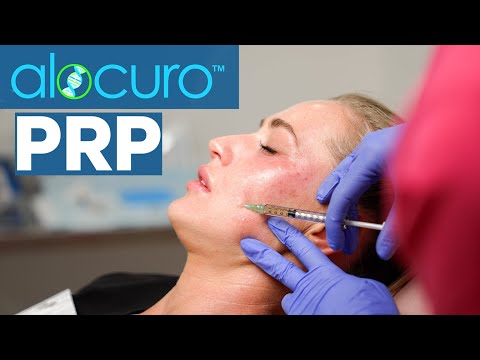
During a PRP facial, this plasma is injected into specific areas of the face. Some clinics may also use a microneedling technique along with it to help with absorption. It’s like giving your skin a boost from within!
The Benefits of PRP Facials
- Improves Skin Texture: Many people report smoother skin after treatments.
- Reduces Fine Lines: Regular sessions can help minimize those pesky wrinkles.
- Pore Size Reduction: Some find their pores appear smaller over time.
- Nourishes Skin: Using your own body’s resources makes it feel natural.
What to Expect During Treatment
A typical session takes about an hour. First, they’ll draw some blood—don’t worry; it’s quick! Then comes the spinning part to get that golden plasma ready.
Your practitioner will then apply either injections or microneedling with PRP on your face. You might feel some pinching or tingling but generally not much discomfort.
Packing Some Aftercare Tips
Your skin might look slightly red for a day or two—it’s normal! Using sun protection is key since new skin can be sensitive.
Avoid harsh products for a few days too; you want that fresh layer of skin to think about its newfound glow without irritation!
Might There Be Side Effects?
- Soreness: There could be mild soreness at injection sites.
- Bruising: A bruise might form where blood was drawn or injected.
- Tightness: A feeling of tightness can occur after treatment as well.
The Bottom Line: Is PRP Right for You?
If you’re considering this procedure, it’s important to have an open conversation with professionals in the field about expectations and concerns. Every person’s skin responds differently; keep that in mind!
You know? Sometimes results can vary widely based on individual factors like age and overall health status.
So trust yourself—and maybe consult others who have tried it—before making any decisions!
Uncovering the Hidden Challenges of PRP Facial Treatment
Understanding PRP Facial Treatment
Hey, so have you heard about PRP facials? It’s a treatment that’s gained a lot of attention lately. But what’s it all about? Well, basically, PRP stands for Platelet-Rich Plasma. It’s a substance derived from your own blood and used for various skin treatments.
How Does It Work?
The process starts with drawing a small amount of blood from your arm—just like a regular blood test. The blood is then put into a centrifuge, which spins it really fast to separate the platelets from the rest of the blood components.
Platelets are tiny cells that play an essential role in healing. They release growth factors that can help rejuvenate the skin. Once separated, this concentrated plasma is injected back into areas of your face where you want to improve skin texture or reduce wrinkles.
Benefits You Might Expect
- Smoother skin
- Improved tone and texture
- Reduction in fine lines and scars
- Possible increase in collagen production, which keeps skin youthful
The thing is, results can vary widely among individuals. Some people may notice improvements quickly while others might need several sessions or not see as significant changes at all.
Challenges and Risks Involved
No treatment comes without challenges, right? One common issue with PRP facials is that not everyone responds similarly. Factors like age, overall health and even genetics could play a huge role in how effective this treatment will be for you.
Also, since everything comes from your own body, complications are generally minimal but possible. There might be swelling or bruising at the injection site; these are usually temporary—or so they say—but they’re something to keep in mind.
- Irritation or redness of the skin is possible after treatment.
- A risk of infection exists every time there’s an injection involved.
- Your expectations should be realistic; PRP isn’t going to give you instant results like filters on social media!
Diving Deeper Into Expectations
If you’re considering PRP therapy for facial rejuvenation, it’s vital to have an open discussion with whoever is providing the treatment. Ask questions about what you can realistically expect and don’t hesitate to express any concerns you may have!
This kind of transparency will help set realistic expectations—not just about results but also about how long they last or if repeat treatments will be necessary down the line.
Conclusion: Key Takeaways About PRP Facials
PRP facials can offer promising benefits for some people looking to improve their skin’s health and appearance. But remember: individual responses can differ significantly based on many factors including age and health status. So do your research thoroughly before committing—and don’t forget to consult with whoever’s doing the procedure first! It’s always better to know before diving into something new!
Unlocking Radiance: Discover the Transformative Effects of Platelet-Rich Plasma Facials
Understanding Platelet-Rich Plasma Facials
Platelet-Rich Plasma (PRP) facials have become a popular trend in skincare. But what exactly is it? In simple terms, PRP is a treatment using your own blood to improve skin health. You might wonder how that works, right?
The process begins with drawing a small amount of your blood. The blood is then placed in a machine called a centrifuge. This machine spins rapidly to separate the different components of the blood. The goal here is to concentrate the platelets—the tiny cells that help with healing and repairing tissue.
What Are Platelets?
Platelets are like little superheroes in your blood. They help stop bleeding and promote healing when you get hurt. In PRP facials, these platelets are thought to boost collagen production and rejuvenate the skin.
How Do PRP Facials Work?
After isolating the platelets, they’re injected into areas of your face that need some love. Think of it like watering a garden; you’re giving nutrients directly where they’re needed most.
The idea is that this helps increase blood flow and encourages new cell growth. Sounds cool, right? Many people hope for improvements in fine lines, texture, and overall radiance.
What Are The Benefits?
- Boosts Collagen: More collagen can lead to plumper skin.
- Smooths Out Fine Lines: It may help reduce wrinkles and make skin look younger.
- Reduces Scarring: Some find it beneficial for acne scars or other blemishes.
- Naturally Derived: Since it’s from your own body, there’s usually less risk of reactions compared to synthetic fillers.
A Few Considerations
You should know that results can vary from person to person. Some folks see changes quickly, while others might take longer or notice subtle improvements over time. It’s important not have overly high expectations—everybody’s skin is different!
Pain during treatment varies too; some feel just a little pinch while others might find it more uncomfortable. Always discuss any concerns with whoever’s performing the facial so you feel comfortable about what to expect.
Mysteries Surrounding PRP
A common myth about PRP facials is that they can replace traditional skincare routines or other medical treatments—this isn’t true! They’re not magic; they complement existing regimens but don’t eliminate the need for daily care or sun protection.
- If you’re considering this treatment, do some research beforehand!
- Talk to others who have tried it and check out reviews online if you want honest feedback.
- If possible, schedule a consultation before jumping in—it’s worth asking questions!
The bottom line? PRP facials may offer several interesting benefits for improving skin quality but keep realistic expectations in mind throughout your journey! Now go ahead and explore if this could be something you’d like to try for yourself!
Understanding Platelet-Rich Plasma (PRP) Facials for Skin Health
Platelet-Rich Plasma (PRP) facials are becoming increasingly popular for skin rejuvenation. The process involves drawing a small amount of your blood, processing it to isolate the plasma rich in platelets, and then injecting or applying this plasma back into your skin. It sounds a bit technical, but hang on—it’s pretty fascinating!
The key idea behind PRP is that platelets contain growth factors. These proteins can stimulate healing and tissue regeneration. Think of them like little messengers that tell your body to repair itself. When used in facials, PRP is believed to enhance collagen production, improving skin texture and tone.
People often seek PRP treatments for various concerns like fine lines, wrinkles, acne scars, or general skin dullness. It’s like giving your skin a natural boost using its own components—pretty neat, right? However, results can vary from person to person.
Sometimes folks wonder about the safety of such procedures. Generally speaking, since PRP uses your own blood, the risk of allergic reactions is quite low. However, it’s always crucial to choose qualified practitioners and have realistic expectations about outcomes.
This treatment isn’t magic; while some may see improvements after one session, others might need multiple treatments for noticeable effects. Plus, maintaining healthy skin through good skincare habits and sun protection remains essential even if you opt for PRP.
In essence, understanding PRP facials is all about recognizing their potential benefits balanced with realistic expectations. It’s an exciting development in skincare science—but as always, informed choices matter most.