The information provided in this article is intended solely for general informational and educational purposes. It does not constitute medical advice, diagnosis or professional treatment, and should not be considered a substitute for consultation with a qualified doctor or other licensed healthcare professional. Any health-related decisions should be made in consultation with accredited medical professionals.
While efforts have been made to ensure the information is accurate and up to date, no guarantees are given—either express or implied—regarding its accuracy, completeness, currency or suitability. Use of this information is at your own discretion.
It is strongly recommended to consult official sources such as the NHS (National Health Service) or other recognised medical institutions before acting on any information contained on this website or article. Under no circumstances should professional medical advice be ignored or delayed due to content read here.
This content is of a general and informational nature only. It is not intended to replace individualised guidance from a healthcare professional or to establish any doctor-patient relationship. The publication of this information does not imply any professional responsibility, guarantee or obligation on the part of the author or this site.
Ever wondered how some people seem to beat cancer while others struggle? It’s a tough topic, but understanding the treatments available can make a big difference. One such treatment is radiation oncology. You might have heard about it, but what does it really mean for you or your loved ones?
Radiation oncology uses targeted radiation to treat cancer and even some non-cancerous conditions. It sounds complex, right? But when you break it down, it’s all about precision and care. Imagine using a laser pointer to hit only the exact spot on a target—that’s what radiation oncologists aim for.
This article will take you through what radiation oncology is all about. We’ll talk about how it works and explore its benefits, so you can feel more empowered in health decisions. Remember, though: this information doesn’t replace medical advice from professionals. Always consult with your healthcare provider before making any decisions regarding your health.
So grab a cup of tea and let’s demystify this valuable field together!
Navigating the Ups and Downs of Your Treatment Journey
Going through treatment can feel like a rollercoaster. It’s full of highs and lows, right? Understanding what to expect from radiation oncology can help smooth out some of those bumps along the way.
What is Radiation Oncology?
Radiation oncology is a branch of medicine that uses targeted radiation to treat cancer. Think of it like a focused flashlight shining on a dark spot. The goal is to attack cancer cells while sparing healthy ones as much as possible.
How Does It Work?
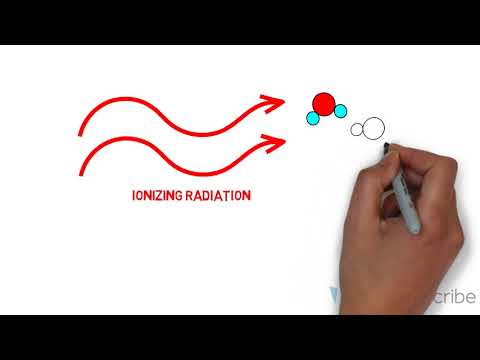
The treatment works by damaging the DNA in cancer cells. Without intact DNA, these cells can’t grow or multiply. It’s sort of like cutting the power supply to a factory, making it unable to produce products anymore.
The Different Types of Radiation Therapy
- External beam radiation: This is the most common type. A machine directs high-energy rays at the tumor from outside your body.
- Brachytherapy: This involves placing radioactive sources inside or very close to the tumor itself, allowing for higher doses directly where it’s needed.
- Stereotactic radiosurgery: An advanced technique that delivers precise radiation in fewer sessions, often with less damage to surrounding tissues.
The Benefits
The major benefit is its ability to shrink tumors and relieve symptoms without invasive surgery. It can be combined with other treatments like chemotherapy or surgery for better overall results. Imagine it as adding more spices into your favorite dish—each ingredient adds something unique!
Side Effects You May Experience
No treatment comes without its share of side effects. With radiation therapy, these might include fatigue, skin changes at the treatment site, or even some discomfort. It’s important you communicate any new symptoms with your team; they can help manage them.
Your Support System Matters
A strong support system can make a world of difference during this journey. Friends and family play vital roles—whether it’s keeping your spirits high or just sitting with you during appointments when things feel overwhelming.
You’re Not Alone in This
Many people go through similar experiences and feelings during their treatment journey. Connecting with support groups online or offline might help you share thoughts and strategies that others have found helpful along the way.
Navigating Your Feelings
Your emotions may fluctuate like crazy; that’s totally normal! Feelings of fear or uncertainty about what’s next are common too. Remember that taking time to process these feelings is okay—everyone does this differently.
A Final Note
This journey may feel heavy sometimes, but knowing what lies ahead can lighten that load a little bit! Stay curious, ask questions whenever you’re unsure about something—with your care team—and don’t hesitate to reach out for support whenever you need it.
Unveiling the Truth Behind Radiation Therapy: Understanding Its Impact and Effectiveness
Understanding Radiation Therapy
Radiation therapy is a common treatment for cancer. It uses high-energy rays to target and kill cancer cells. Imagine it like a focused beam of light that can zap the bad cells while trying to leave the healthy ones alone.
How Does Radiation Therapy Work?
When radiation is directed at a tumor, it damages the DNA of the cancer cells. DNA is like a recipe book for how cells function. If you damage its pages, those cells can’t grow or multiply effectively anymore.
However, surrounding healthy tissues may also be affected. That’s why doctors carefully plan treatment, aiming to maximize damage to cancer while sparing normal tissue as much as possible.
The Types of Radiation Therapy
- External Beam Radiation Therapy (EBRT): This is the most common type. It involves directing radiation from outside the body toward the tumor.
- Brachytherapy: This method places radioactive material directly inside or next to the tumor. Think of it like planting seeds directly where they need to grow.
- Stereotactic Radiosurgery: Despite its name, it’s non-invasive and delivers very precise doses of radiation in just one or a few sessions.
The Effectiveness of Radiation Therapy
The effectiveness varies depending on many factors: type and stage of cancer, overall health, and more. Sometimes it’s used alone; other times, it’s combined with surgery or chemotherapy for better outcomes.
A good example would be in treating breast cancer—radiation can help prevent recurrence after surgery by targeting any remaining microscopic cells that are hard to see but could cause trouble later on.
Potential Side Effects
No treatment is without risks—radiation therapy has side effects too. Fatigue, skin irritation, and changes in appetite are some common ones. These usually improve over time after treatment ends.
The Importance of Planning
Your healthcare team will develop a personalized plan based on your unique situation. They use imaging tests like CT scans to determine exactly where to aim that radiation beam—kinda like using a map before going on an adventure!
Coping With Treatment
Coping with radiation therapy involves both physical and emotional aspects. Staying hydrated and eating correctly are fundamental for supporting your body through this time. Don’t hesitate to reach out—for support or simply for someone who understands what you’re going through!
Misperceptions About Radiation Therapy
A common myth is that radiation therapy always leads to severe sickness or hair loss; this isn’t true for everyone! Individual experiences vary widely based on how our bodies react and what area is being treated.
Your Role in Treatment Decisions
You play an active role when it comes down to making decisions about your care! Discussing options with your healthcare provider helps ensure you understand each choice available and aligns with your values and goals moving forward.
(Remember) understanding helps alleviate worries surrounding treatments like these! Being informed may make navigating this journey less daunting.
So stay curious and keep asking questions about what concerns you most about radiation therapy!
Exploring the Role of Radiotherapy in Cancer Treatment Across Different Stages
The Role of Radiotherapy in Cancer Treatment
Radiotherapy, or radiation therapy, is a common treatment for cancer. It uses high doses of radiation to kill cancer cells or slow their growth. It may sound a bit scary at first, but understanding how it works can really help. So, let’s break it down.
How Does Radiotherapy Work?
The main idea behind radiotherapy is to target fast-growing cells. Cancer cells are generally faster at dividing than normal cells. When we apply radiation, it’s like sending tiny bullets to disrupt the DNA of those cancer cells. Think of it as trying to cut a weed from the root instead of just trimming the leaves.
Different Stages of Cancer Treatment
Radiation isn’t one-size-fits-all; it often depends on the stage and type of cancer.
- Early Stage: In some cases, radiotherapy can be used to shrink tumors before surgery, making them easier to remove.
- Post-Surgery: Sometimes oncologists use radiotherapy after surgery to eliminate any remaining cancerous cells.
- Palliative Care: For advanced stages, it focuses on relieving symptoms rather than curing the disease. This helps improve quality of life.
The Benefits and Risks
This therapy has its benefits and risks like all treatments do. On the plus side, it’s non-invasive and can be very localized—meaning it doesn’t affect many surrounding tissues. However, it’s important to remember that while many cancer patients benefit from radiotherapy, others might experience side effects like fatigue or skin irritation in treated areas.
You know how every medicine can cause side effects? It’s sort of similar with radiotherapy; that’s why individualized plans matter so much! Each case is unique and doctors consider various factors before recommending this treatment plan.
Your Emotions Matter
Navigating through a cancer diagnosis is tough. You might feel anxious about treatments like radiotherapy—and that’s completely normal! It’s always good idea to voice questions you have with your healthcare team because they can provide tailored information that’s relevant for your situation.
A Holistic View
Cancer treatment isn’t just about one method; it’s often a combination approach—think chemotherapy alongside radiation or surgery plus radiation therapy too! Doctors work together using chemotherapy drugs along with this treatment for a multi-pronged strategy against cancer.
Simplifying Myths About Radiation Therapy
A lot of myths surround this treatment; myths like “radiation makes you radioactive,” which isn’t true! You won’t emit harmful rays after treatment ends because everything’s controlled during sessions no worries there!
- Another common myth? That all cancers require the same approach! But remember how each person’s battle is different? The same applies here too!
- The misconception that only late-stage patients receive radiotherapy isn’t accurate either; early intervention can also be crucial!
The reality is that as we learn more about cancers and advancements in technology happen over time there are better outcomes consistently observed when integrating multiple forms of treatments together!
If someone says “radiation will definitely work,” that’s misleading since responses vary widely among individuals! Aim for open conversations rather than absolute promises when discussing options!
Your Next Steps
If you’re curious about whether this might benefit you or someone special in your life just reach out ask questions don’t hold back! Understanding all aspects helps empower individuals faced with such challenges—it’s your journey after all!
Radiation oncology is a crucial field in cancer treatment, and it plays a significant role in many patients’ journeys. Essentially, it’s the use of high-energy radiation to target and kill cancer cells. The treatment can be used alone or in combination with surgery or chemotherapy.
So, how does it work? Radiation works by damaging the DNA of cancer cells, making it impossible for them to grow and divide. Doctors carefully design treatment plans that focus on specific areas while minimizing harm to surrounding healthy tissues. Think of it like using a spotlight on an actor in a play while keeping the rest of the stage dim.
One major benefit of radiation oncology is its versatility. It can shrink tumors before surgery, relieve symptoms from advanced cancers, or serve as a definitive treatment method for certain types of tumors. Its precise nature allows for tailored approaches based on individual patient needs.
Patients may experience side effects such as fatigue or skin irritation, but these are often manageable with proper care and support. It’s important to maintain open communication with your healthcare team about any concerns you might have.
The field has evolved significantly over the years with advances like IMRT (Intensity-Modulated Radiation Therapy) and proton therapy. These techniques improve targeting accuracy and reduce side effects, making treatments more effective than ever before.
In understanding radiation oncology, one gains insight into not just how we fight cancer but also the hope it brings to so many people facing this disease. It’s comforting to know there’s dedicated science behind these treatments aimed at improving countless lives.