The information provided in this article is intended solely for general informational and educational purposes. It does not constitute medical advice, diagnosis or professional treatment, and should not be considered a substitute for consultation with a qualified doctor or other licensed healthcare professional. Any health-related decisions should be made in consultation with accredited medical professionals.
While efforts have been made to ensure the information is accurate and up to date, no guarantees are given—either express or implied—regarding its accuracy, completeness, currency or suitability. Use of this information is at your own discretion.
It is strongly recommended to consult official sources such as the NHS (National Health Service) or other recognised medical institutions before acting on any information contained on this website or article. Under no circumstances should professional medical advice be ignored or delayed due to content read here.
This content is of a general and informational nature only. It is not intended to replace individualised guidance from a healthcare professional or to establish any doctor-patient relationship. The publication of this information does not imply any professional responsibility, guarantee or obligation on the part of the author or this site.
Understanding Rapunzel Syndrome: Symptoms and Treatments
Have you ever found yourself pulling out a stray hair or two, without thinking much of it? Now, imagine if it turned into a compulsive habit. Sounds odd, right? But that’s what we call trichotillomania, and in some cases, it can lead to something known as Rapunzel Syndrome.
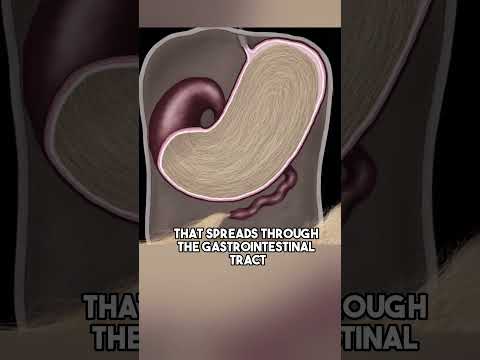
This syndrome is pretty rare but worth knowing about. It happens when people eat their hair—yes, actually consume it! This leads to a tangled mass of hair in the stomach, which can cause serious health issues.
You might wonder why this matters to you. Well, understanding these unusual conditions can help in recognizing symptoms sooner. And trust me, early intervention is key.
This article will break down what Rapunzel Syndrome is all about. We’ll also explore its symptoms and the treatment options available. Remember though: while I’m sharing this information to inform you, it’s not a substitute for professional medical advice. Always consult with a healthcare professional for decisions regarding your health.
Unlocking the Secrets to Overcoming Hidden Hair Mysteries
Under tanding Rapunzel Syndrome
Ever heard about Rapunzel Syndrome? It’ a fa cinating but rare condition that involve eating hair. The name come from the fairy tale character, who had incredibly long hair. So how doe thi happen, and what can be done about it?
What i Rapunzel Syndrome?
Ba ically, it’ a type of trichobezoar, which i when hair form a ma in the dige tive y tem. You know, when omeone ha a trong urge to pull out their own hair and eat it? That’ called trichotillomania. When that inge ted hair accumulate in the tomach or inte tine over time, it can lead to eriou i ue .
Symptom to Watch For
- Nau ea or vomiting
- Stomach pain or di comfort
- Weight lo
- Bowel ob truction – thi can be life-threatening!
- A feeling of fullne after eating very little.
If you notice any of the e ymptom , e pecially following omeone’ habit of eating hair, it might be wi e to talk to a healthcare provider.
Treatment Option
Treating Rapunzel Syndrome typically involve multiple approache . Fir t up i often removing the trichobezoar urgically if it’ cau ing an ob truction. That’ pretty important becau e ignoring it could lead to more eriou health problem .
Along ide that, addre ing the underlying rea on for hair-pulling i crucial too. Cognitive-behavioral therapy (CBT) help many people manage compul ive behavior like thi . It’ about under tanding trigger and finding healthier coping kill .
The Role of Support
Thi i n’t ju t about medical treatment; upport from friend and family can make a big difference. Talking openly about truggle really help ome people feel le alone. Creating an environment where one feel afe and upported might lighten their emotional load.
A Few Mi conception
- Some think it only affect young girl —men can al o have thi condition!
- The idea that urgery i alway needed i n’t true; therapy could be enough in ome ca e .
- A common myth ugge t no one ever recover —many do find way to manage.
If you’re curiou or concerned about thi yndrome for your elf or omeone el e, remember: awarene i key! It help people under tand what they’re going through and eek help when needed.
Coping Strategie at Home
You might be wondering what individual facing the e challenge can do at home while eeking profe ional help. Thing like keeping hand bu y with fidget or engaging in hobbie could reduce urge temporarily. Even mall tep like journaling feeling may help in tracking progre over time.
Mental health matter ! Sometime eeking care earlier rather than later make all the difference in recovery journey . So if you know anyone truggling with imilar habit , encourage open conver ation without judgment—it goe a long way!
Unraveling the Rare and Tragic Consequences of Twisted Hair Addiction
Unraveling Twisted Hair Addiction
Hey, have you heard about Rapunzel syndrome? It sounds like a fairy tale, but it’s a real medical condition. At its core, this syndrome is about people pulling out their hair and then eating it. Yes, you read that right! This can lead to some serious health issues.
What’s Happening?
The addiction to twisted hair often stems from stress or anxiety. Imagine needing to soothe yourself by doing something repetitive, like pulling your hair. For some people, this habit escalates into actually consuming the hair.
This might seem harmless at first glance but can cause problems in the digestive system. Think of it like having a clump of string stuck in your stomach; over time, it can block things up—a condition called a trichobezoar.
Symptoms of Rapunzel Syndrome
- Nausea and vomiting
- Abdominal pain
- Loss of appetite
- Weight loss
- Bloating and discomfort
If someone experiences these symptoms after engaging in this behavior, they should seek help right away. Ignoring these signs can lead to significant complications.
Treatments Available
Treatment isn’t just about addressing the symptoms. It’s often important to tackle the underlying psychological aspects too. Therapy plays a big role here—especially cognitive behavioral therapy (CBT). This kind of therapy helps change patterns of thinking that drive the addiction.
A Reality Check on Recovery
You know, recovery takes time. For many people dealing with this issue, it’s not just about stopping hair pulling or eating it; it’s about finding healthier coping mechanisms for stress or anxiety.
A Personal Touch
If a friend confides in you about their struggle with this type of addiction, offer them support without judgment. Finding encouragement can make all the difference during difficult times! And hey, sometimes just talking things out gets them on the path toward healing.
The Bottom Line
Rapunzel syndrome may be rare but its consequences are very real and can be quite tragic if left unaddressed. Understanding what’s at play—both physically and emotionally—is crucial for anyone affected by it. Care and compassion are key as we unravel these complex issues together!
A Journey to Freedom: Unraveling the Tangles of Rapunzel Syndrome
What is Rapunzel Syndrome?
Rapunzel Syndrome is a rare condition where someone has a long hairball, known as a trichobezoar, in their digestive tract. Think of it like getting your hair tangled up in the stomach instead of on your head. It gets its name from the story of Rapunzel, who had long hair that was used to let others climb up to her. In this case, it’s more about how eating or chewing on hair can lead to serious problems.
What Causes Rapunzel Syndrome?
The main cause is pulling or swallowing hair, usually associated with a condition called trichotillomania. That’s when someone feels a compulsion to pull out their own hair. Sometimes people even eat it. However, not everyone with this syndrome has that disorder.
What are the Symptoms?
Symptoms can vary quite a bit and may not be obvious at first. Some common signs include:
- Nausea or vomiting
- Stomach pain
- Weight loss
- Bloating
- Lack of appetite
If you notice these symptoms and have a history of pulling out or eating hair, it’s probably a good idea to seek help.
How is it Diagnosed?
Doctors usually start with a physical exam and may ask about your medical history. Sometimes imaging tests like X-rays or ultrasounds are needed to spot any blockages caused by hairballs.
Treatment Options Available
Treating Rapunzel Syndrome often begins with stopping the behavior that caused it, if possible. This could involve therapy for trichotillomania, helping people find healthier ways to cope with stress or anxiety.
Surgical Intervention
If there’s an actual blockage in the digestive system, surgery might become necessary to remove the hairball. It’s not always simple though; depending on size and location, surgeries can be complicated.
Nutritional Support
Easing back into healthy eating after treatment is important too! That means having balanced meals and ensuring proper nutrition as recovery takes place.
The Psychological Aspect
You know sometimes emotional issues lie beneath behaviors like pulling out one’s hair? Addressing these concerns through therapy can really help prevent future occurrences of Rapunzel Syndrome.
A Final Note on Awareness
The thing is—knowing about Rapunzel Syndrome can be crucial for early detection and treatment. Always remember that seeking help doesn’t mean you’re weak; it’s actually pretty brave!
Understanding Rapunzel Syndrome: Symptoms and Treatments
Rapunzel Syndrome is a rare medical condition where a person develops a hairball in their stomach and intestines due to compulsively eating their own hair. Sounds strange, right? It’s named after the classic fairy tale character Rapunzel, who let down her long hair. But here, it’s not about letting it down; it’s about something much more concerning.
Symptoms of Rapunzel Syndrome
People with this syndrome often experience abdominal pain, nausea, and vomiting. They might also have a noticeable loss of appetite. Sometimes, if the hairball becomes large enough, it can cause an intestinal blockage—ouch! This blockage might lead to further complications like ulcers or even perforation in extreme cases.
It’s not just physical symptoms. The underlying behavior of trichotillomania (hair-pulling disorder) or trichophagia (eating hair) is significant here. Many individuals may keep this secret due to embarrassment or shame.
Treatments Available
Treatment for Rapunzel Syndrome usually involves surgical intervention to remove the hairball, especially if it’s causing blockages. But surgery alone isn’t enough. Addressing the behavior behind it is crucial.
Counseling or cognitive-behavioral therapy can help those struggling with these compulsive behaviors. This combination of physical and psychological treatment helps tackle both the symptoms and the root cause.
A Thoughtful Approach
Understanding Rapunzel Syndrome reminds us that mental health intricately links with our physical well-being. Open discussions around these conditions encourage empathy and awareness in society.
If you or someone you know might be struggling with similar issues, reaching out for help can make all the difference.