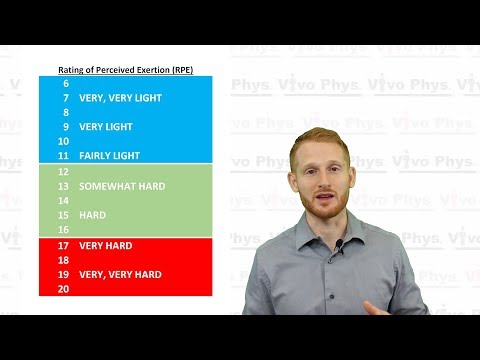
Have you ever pushed yourself during a workout and wondered just how hard you were really going? The Rate of Perceived Exertion (RPE) scale is a handy tool that helps bridge that gap. Imagine it as your body’s personal feedback system, allowing you to gauge how exerted or fatigued you feel during exercise. This scale ranges from 0 to 10, where 0 means no effort at all—like lounging on the couch—and 10 represents maximum effort, like sprinting for your life!
Understanding RPE can transform your fitness journey. It’s not just about lifting weights or running miles; it’s about listening to your body. When you tune into your own feelings of exertion, you’re more likely to tailor workouts that suit not only your goals but also your individual capacity.
However, while RPE is a valuable insight into how hard you’re working, don’t rely on it alone. Everyone’s perception can differ greatly based on experience, fatigue levels, and even mental state. Always keep in mind that it’s essential to consult various specialists and seek information from multiple sources when it comes to understanding fitness and health. This ensures a more rounded view of what works best for you and keeps misinformation at bay. Stay curious and informed!
The information provided in this article is intended solely for general informational and educational purposes. It does not constitute medical advice, diagnosis or professional treatment, and should not be considered a substitute for consultation with a qualified doctor or other licensed healthcare professional. Any health-related decisions should be made in consultation with accredited medical professionals.
While efforts have been made to ensure the information is accurate and up to date, no guarantees are given—either express or implied—regarding its accuracy, completeness, currency or suitability. Use of this information is at your own discretion.
It is strongly recommended to consult official sources such as the NHS (National Health Service) or other recognised medical institutions before acting on any information contained on this website or article. Under no circumstances should professional medical advice be ignored or delayed due to content read here.
This content is of a general and informational nature only. It is not intended to replace individualised guidance from a healthcare professional or to establish any doctor-patient relationship. The publication of this information does not imply any professional responsibility, guarantee or obligation on the part of the author or this site.
Unlocking the Connection Between Perceived Effort and Performance
Understanding the connection between perceived effort and performance can help anyone improve their workouts. It’s about how we feel during exercise and how that affects what we can actually achieve.
Perceived effort is often measured using a scale called RPE, or Rate of Perceived Exertion. It usually ranges from 1 to 10, where 1 means very easy and 10 means the toughest you can imagine. This scale helps individuals assess how hard they think they are working during any physical activity.
Many people may not realize that there is a strong link between our RPE and actual performance. For example, when you’re pushing through a tough workout, your mind is constantly evaluating how difficult it feels. This perception influences your stamina and motivation.
Here are some key points to understand:
It’s interesting how two people can do the same workout but report different levels of effort. Factors like mood, stress, and even past experiences play major roles in this perception.
For instance, think about running uphill. One person might rate it an 8 because they feel exhausted halfway up. Another runner, however, might see it as a 5 if they’re used to hill training. Both experiences are valid yet reveal different aspects of training.
Understanding RPE empowers individuals to listen to their bodies more effectively rather than just sticking to a rigid plan. It encourages self-awareness: Are you pushing too hard? Or maybe not enough?
It’s also worth noting that while using RPE is useful, it’s not the only measure for improvement. Combining RPE with other data such as heart rate or distances can give a broader picture of performance.
In summary, unlocking this connection between perceived effort and performance opens doors for better workouts. It’s all about balance—pushing yourself without overextending while recognizing that how you feel matters just as much as numbers on paper.
Embracing this knowledge helps in setting realistic goals and achieving personal growth in fitness without unnecessary strain or injury risks. Listen closely: Your perceptions can lead the way!
Unlocking the Secrets of Your Workout Intensity
Understanding workout intensity is key to maximizing your exercise routine. One helpful tool for this is the Rate of Perceived Exertion, or RPE scale. It’s a simple way to gauge how hard you feel you’re working during a workout.
RPE typically ranges from 0 to 10. Here’s how it breaks down:
Using RPE helps personalize your workouts based on how you actually feel. Instead of relying solely on heart rate or other metrics, your own perception becomes the guide.
It’s important to listen to your body and adjust accordingly. Some days, what feels like a 7 might actually be a 5 due to fatigue, stress, or other factors in life.
This scale also encourages mindfulness about your exertion levels. It can help prevent overtraining and reduce burnout by tuning into what your body needs.
Many people misunderstand RPE, thinking it’s just about hard work rather than personal intensity level. It’s not just for athletes; anyone can benefit from it.
Remember, everyone’s RPE will be different based on fitness level and experience. What feels intense for one person might feel easy for another.
By incorporating RPE into your routine, you gain insight into your workouts without complicated tech or charts—it’s all about **you** and how you feel!
Pay attention next time you’re exercising and give yourself permission to adjust as needed in real-time! This flexibility can make exercise more enjoyable and sustainable over time.
Understanding the Meaning Behind a Moderate Exercise Intensity
When we talk about exercise, the term “moderate intensity” often comes up. But what does that really mean? Understanding this concept can help you choose activities that fit your fitness goals.
Moderate exercise typically means you’re working hard enough to start sweating but still able to hold a conversation. Think of it like walking briskly or dancing. You feel your heart rate increase, but you’re not gasping for breath.
A useful tool for measuring exercise intensity is the Rating of Perceived Exertion (RPE) scale. This scale runs from 0 to 10, where 0 is no effort and 10 is maximum effort. Moderate intensity usually falls around a 5 or 6 on this scale.
Here are some key points to consider about moderate exercise:
Many people mistakenly think moderate means easy. However, it’s important that you feel challenged without overdoing it. If you find conversations too easy or too hard during your workout, adjust your pace accordingly.
Listening to your body is key. Everyone has different fitness levels and abilities. What feels moderate for one person could be too challenging for another.
Engaging in regular moderate-intensity activity can lead to long-term health benefits. It’s not just about burning calories; it’s also about enhancing overall well-being.
Always remember, consistency is more important than intensity when starting an exercise routine.
In summary, moderate exercise is an approachable way to stay active while reaping the benefits of physical activity. So next time you’re moving around, check in with yourself using the RPE scale—it might help guide you towards a healthier lifestyle!
Understanding the Rate of Perceived Exertion (RPE) scale is a valuable tool for both beginners and seasoned athletes in gauging exercise intensity. The RPE scale, typically ranging from 0 to 10, provides a subjective measure of how hard you feel your body is working during physical activity.
This scale encourages individuals to listen to their bodies, fostering a deeper connection between physical sensations and performance levels. By assessing factors such as breathing rate, heart rate, and muscle fatigue, users can better tailor their workouts to suit their fitness goals.
One significant advantage of the RPE scale is its adaptability. Unlike heart rate monitors that may require specific equipment or can be influenced by external factors like hydration or temperature, RPE relies solely on personal perception. This means it can be used anytime and anywhere.
Incorporating RPE into training regimens promotes self-awareness and encourages critical thinking about one’s limits. For example, if a workout feels disproportionately harder than usual based on perceived exertion levels, it could signal the need for rest or adjustment in training.
It’s important to remember that everyone’s perception of effort varies. What feels like a 5 for one person might feel like an 8 for another. This subjectivity underscores the importance of individualization in fitness programming.
In conclusion, understanding RPE empowers individuals to make informed decisions about their workouts while promoting safe practices for achieving fitness goals. Emphasizing personal feedback through this scale enhances not only physical conditioning but also mental resilience on the journey toward improved health.