The information provided in this article is intended solely for general informational and educational purposes. It does not constitute medical advice, diagnosis or professional treatment, and should not be considered a substitute for consultation with a qualified doctor or other licensed healthcare professional. Any health-related decisions should be made in consultation with accredited medical professionals.
While efforts have been made to ensure the information is accurate and up to date, no guarantees are given—either express or implied—regarding its accuracy, completeness, currency or suitability. Use of this information is at your own discretion.
It is strongly recommended to consult official sources such as the NHS (National Health Service) or other recognised medical institutions before acting on any information contained on this website or article. Under no circumstances should professional medical advice be ignored or delayed due to content read here.
This content is of a general and informational nature only. It is not intended to replace individualised guidance from a healthcare professional or to establish any doctor-patient relationship. The publication of this information does not imply any professional responsibility, guarantee or obligation on the part of the author or this site.
Understanding Scalded Skin Syndrome: Causes and Care Insights
Have you ever wondered how something as simple as a bacterial infection can lead to severe skin reactions? It’s kind of shocking, right? Scalded Skin Syndrome (SSS) is just that—a rare yet serious condition primarily seen in young children and can also affect adults with weakened immune systems. It’s crucial to know about this because, while it might sound alarming, understanding the condition can help us respond appropriately.
SSS is caused by toxins produced by certain strains of bacteria, often the Staphylococcus aureus. These toxins cause the skin to blister and peel as if it has been scalded. Imagine that! It’s like your body’s way of saying “something’s not right.”
This article will break down the causes behind SSS, how it’s diagnosed, and what treatments are available. We’ll also explore how to care for those affected by this painful condition. Remember, though: this information doesn’t substitute for professional medical advice. Always consult a healthcare professional before making any health decisions.
A Visual Journey Through the Impact of Scalded Skin Syndrome
Understanding Scalded Skin Syndrome
Scalded Skin Syndrome (SSS) is a serious skin condition mainly affecting children. It’s caused by a bacteria called Staphylococcus aureus, which releases toxins. These toxins damage the outer layer of the skin, leading to redness and peeling.
How Does it Happen?
The thing is, this syndrome typically happens in young kids, especially newborns. Their immune systems are still developing and can’t fight off this bacterium effectively. Look at it like a fortress without strong walls; invaders can easily break in.
Signs and Symptoms
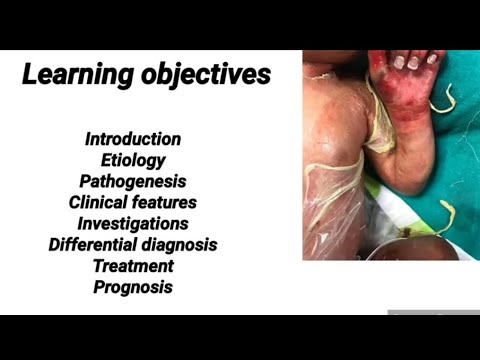
A child with SSS may start with fever and irritability. Then, you might notice the skin getting red and flaky. It often looks like a burn or scald, which is where the name comes from! The peeling usually occurs around the face and body.
Treatment Approaches
Caring for someone with SSS involves addressing both the infection and skin damage. Doctors typically prescribe antibiotics to fight off the Staphylococcus aureus bacteria. Supportive care is also important.
Importance of Hydration
Honestly, keeping hydrated is key! When the skin peels away, it can lead to fluid loss. So it’s vital to monitor hydration levels in affected individuals closely.
Infection Risk Management
A crucial part of care is preventing secondary infections. Because when skin barriers are damaged, bacteria can enter more easily. Using clean dressings and keeping wounds covered helps minimize that risk.
Long-term Outlook
The recovery process varies from person to person; most children do heal well with proper care. However, monitoring should continue because there can be complications down the road.
A Visual Perspective
Picturing SSS can help understand its impact better. You might see images showing how red inflamed skin transforms into flaky patches as it peels away—kind of like a snake shedding its old skin. This visual representation emphasizes how serious this syndrome can be.
Misinformation Dispelling
- Myth:You only get SSS from burns or hot liquids.
- Fact:This condition isn’t limited to heat; it’s mostly related to bacterial infection.
- Myth:Surgery cures Scalded Skin Syndrome completely.
- Fact:Treatments focus on managing symptoms rather than providing a one-size-fits-all cure.
So if you’re ever concerned about someone having symptoms of Scalded Skin Syndrome, it’s best to reach out for professional care right away!
Unraveling the Pathways of a Skin Infection in Children and Adults
Understanding Scalded Skin Syndrome
Scalded Skin Syndrome (SSS) is a serious skin infection, especially in children. It’s caused by certain strains of the bacterium Staphylococcus aureus. You might wonder why it’s called “scalded.” Well, the skin looks like it has been burned or scalded. This happens because the bacteria produce toxins that attack the outer layer of skin.
How Does It Happen?
Children under five are at a higher risk for SSS. Their immune systems are still developing. But adults can get it too, especially if they have weakened immune systems or existing skin conditions like eczema.
The bacteria often enter through cuts, insect bites, or even just small abrasions. Once inside, they can wreak havoc. Imagine them as tiny intruders causing trouble in your home—your body’s defences struggle to keep them out.
Signs and Symptoms
A key sign of SSS is red, blistering skin that peels off easily. Look for other symptoms like fever and irritability in young kids. In adults, it may show up with more systemic signs like chills or malaise—basically feeling unwell all over.
- Redness of the skin
- Bubbles or blisters
- Painful areas on the skin
- Fever and discomfort
Treatment Approaches
Caring for someone with SSS usually involves antibiotics to fight off the bacterial infection. Remember, though: doctors will choose specific ones based on tests—they’re not all the same! While topical creams might help soothe some irritation, they’ll also address any underlying issues.
Hydration and nutrition play an important role too. Keeping up fluid intake helps maintain overall health while healing occurs. Sometimes doctors might suggest specialized wound care to prevent any further complications.
Prevention Measures
You can reduce the risk by practicing good hygiene habits—always wash your hands before caring for wounds or after being outside. Regular cleaning of cuts and scrapes keeps things clean and less inviting for bacteria.
- Avoid sharing personal items like towels or razors
- Cover wounds properly to keep germs away
- Bathe regularly but gently; don’t scrub too hard!
When to Seek Help?
If you notice signs of SSS in yourself or your child, it’s wise to seek medical attention promptly. Early intervention makes a difference! Healthcare professionals can do testing and start treatment right away.
Overall, understanding Scalded Skin Syndrome helps you recognize symptoms and respond appropriately when needed with support and care from healthcare providers!
Healing Relief for Scalded Skin: Effective Approaches to Recovery
Understanding Scalded Skin Syndrome
Scalded skin syndrome, often seen in children but can occur in adults too, happens when the skin gets burned by hot liquids or steam. It’s like that feeling when you accidentally spill a cup of coffee. The injury causes the outer layer of skin to blister and peel off, leaving a red, raw surface underneath.
The real culprit behind this is usually heat. But sometimes, an infection like Staphylococcus aureus can make it worse, leading to widespread damage. In this case, understanding what’s happening is key to finding relief.
Immediate Care for Scalds
If someone gets scalded, cooling the burn is crucial right away. Running cool water over the burn for about 10-20 minutes helps lower the temperature of the skin and reduces pain. Never use ice directly on a burn though; it can cause more damage.
After cooling it down, gently pat it dry with a clean cloth and cover the area with a sterile bandage. This helps protect it from infections.
Pain Management
Pain relief is important too. Over-the-counter pain relievers like ibuprofen or acetaminophen can help ease the discomfort. Just remember to follow dosage instructions carefully.
Moisturizing and Healing
Hydration plays a big role in healing scalded skin. Applying aloe vera gel or other soothing ointments can keep the area moist and help prevent it from drying out too much. But avoid using creams with alcohol or fragrances as they may irritate sensitive skin.
Watch for Infection
A big concern with scalds is infection. If you notice increased redness, swelling, or pus coming from the burn area, that might be a sign of trouble; contacting someone who knows about these things becomes important at that point.
The Healing Process
The healing time can vary quite a bit based on how severe the scald was. Some minor burns might heal in just a week while deeper ones could take longer. During recovery, keeping an eye on changes in your body is smart—it’s all part of getting back on track!
You know how sometimes we get caught up thinking about scars? Gently massaging Vitamin E oil into healed areas might help them look better over time.
Coping Strategies
- Stay hydrated by drinking plenty of fluids.
- Avoid excessive sun exposure as new skin can be sensitive.
- Consider loose clothing over affected areas until healed completely—it helps air circulate!
- If needed consult with someone who knows about wounds for extra guidance—they’ll understand your concerns.
Final Thoughts on Care
Scalded skin recovery takes time and proper care—this will allow your body to heal naturally without further complications! It’s always wise to listen to your body and seek attention if you’re feeling unsure about anything at any stage during recovery process times! Remember that each person’s situation may differ slightly but staying informed makes all indifference easier!
Understanding Scalded Skin Syndrome (SSS) involves recognizing its causes and the necessary care insights. This condition primarily affects infants and young children, but it can occur in adults too—especially those with weakened immune systems.
The main cause? It’s often a result of a bacterial infection, typically from Staphylococcus aureus. This bacterium produces toxins that lead to skin peeling and redness. Think of it like a bad sunburn, where the top layer of skin blisters and sheds.
Caring for someone with SSS is crucial. Treatment usually includes antibiotics to fight the infection, along with supportive care like hydration and pain management. Sometimes, hospitalization is required, particularly if there are severe symptoms.
Understanding SSS isn’t just about identifying the symptoms; it’s also about appreciating how vital early intervention is. If caught early, most people recover well. If you notice signs like redness or blistering skin in an infant or vulnerable adult—don’t hesitate to get medical help.
This reflection highlights the importance of awareness and proactive care in managing Scalded Skin Syndrome effectively.