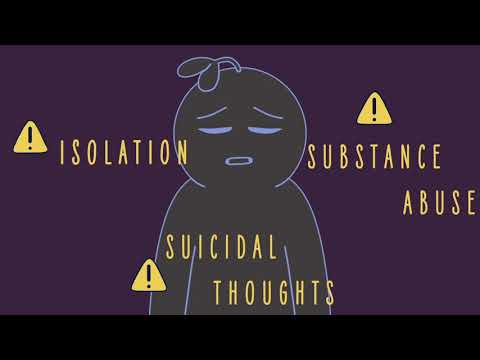
Understanding mental health can often feel like navigating a maze. Two terms that frequently arise in this journey are **schizophrenia** and **schizoaffective disorder**. While they share some characteristics, they are distinct conditions with unique challenges.
Imagine experiencing the world through a lens that distorts reality, affecting how you think, feel, and interact. This is a glimpse into what some individuals with schizophrenia experience. On the other hand, schizoaffective disorder adds another layer: mood swings—similar to those in bipolar disorder or depression—paired with psychotic symptoms.
Both conditions can be confusing but understanding them is crucial for compassion and support. It’s important to recognize that these disorders don’t define the person experiencing them; rather, they reflect complex interactions of genetics, brain chemistry, and life experiences.
As we delve deeper into these topics together, it’s essential to approach information thoughtfully. Misinformation is prevalent and can lead to stigma or misunderstandings. Therefore, seek knowledge from various specialists—like psychologists or psychiatrists—and reliable sources of information. This way, you empower yourself to foster understanding and empathy toward those affected by these disorders.
The information provided in this article is intended solely for general informational and educational purposes. It does not constitute medical advice, diagnosis or professional treatment, and should not be considered a substitute for consultation with a qualified doctor or other licensed healthcare professional. Any health-related decisions should be made in consultation with accredited medical professionals.
While efforts have been made to ensure the information is accurate and up to date, no guarantees are given—either express or implied—regarding its accuracy, completeness, currency or suitability. Use of this information is at your own discretion.
It is strongly recommended to consult official sources such as the NHS (National Health Service) or other recognised medical institutions before acting on any information contained on this website or article. Under no circumstances should professional medical advice be ignored or delayed due to content read here.
This content is of a general and informational nature only. It is not intended to replace individualised guidance from a healthcare professional or to establish any doctor-patient relationship. The publication of this information does not imply any professional responsibility, guarantee or obligation on the part of the author or this site.
Understanding the Critical Distinction Between Two Complex Mental Health Conditions
Understanding mental health can be tough, especially when it comes to conditions that seem similar. Two such conditions are schizoaffective disorder and schizophrenia. While they share some symptoms, they are quite different in important ways.
Schizophrenia is primarily a chronic brain disease. It affects how a person thinks, feels, and behaves. People with schizophrenia may experience delusions (false beliefs), hallucinations (seeing or hearing things that aren’t there), and disorganized thinking.
On the other hand, schizoaffective disorder includes symptoms of both schizophrenia and mood disorders, like depression or bipolar disorder. This means a person might have psychotic symptoms along with significant mood changes.
To help understand these differences better consider this:
Understanding these distinctions is important for proper treatment. Misdiagnosis can lead to ineffective treatments which can worsen feelings of anxiety or hopelessness.
It’s also worth noting that stigma surrounds both conditions. Many people don’t understand them fully, leading to fear and misunderstanding. Raising awareness can make a big difference in supporting those affected.
If you or someone you know may be struggling with these conditions, it’s essential to seek support from a trusted professional who can provide guidance based on individual needs.
Finally, keep in mind: mental health is complex but learning about it empowers you and others around you. Understanding is the first step toward healing and support for everyone involved.
Understanding the Complexities of a Unique Mental Health Condition
Understanding mental health conditions can be quite challenging. Two terms often mentioned are schizoaffective disorder and schizophrenia. While they share some similarities, they are distinct conditions.
Schizophrenia is primarily characterized by distortions in thinking, perception, emotions, language, and sense of self. People might experience hallucinations—hearing or seeing things that aren’t there—or delusions, which are strong beliefs in things that aren’t true. It’s like trying to navigate a foggy maze; everything looks different and confusing.
On the other hand, schizoaffective disorder includes both the symptoms of schizophrenia and mood disorder symptoms like depression or mania. This means a person might feel deeply sad or extremely happy alongside experiencing hallucinations or delusions. Picture it as if the fog in the maze isn’t just disorienting; sometimes there are sudden emotional storms within it.
– Hallucinations
– Delusions
– Disorganized thinking
– Symptoms of schizophrenia
– Mood episodes (depression/mania)
The exact cause of these disorders isn’t fully understood. Genetics play a role, meaning if someone in your family has had it, your risk may be higher. Also, environmental factors like stress or trauma can contribute.
It’s important to know that having these disorders doesn’t mean someone is “crazy” or dangerous. In fact, most people with these conditions want to live peaceful lives and contribute positively to society.
Treatment for both conditions usually involves therapy and medication tailored to each individual’s needs. Medication can help manage symptoms while therapy offers support and coping strategies.
If you ever feel overwhelmed by mental health issues—either yours or someone else’s—it’s crucial to seek help from professionals who understand these complex conditions.
Myth-busting:
Understanding these nuances helps reduce stigma while fostering empathy towards those affected by such mental health challenges. Being informed allows us all to approach mental health with kindness and understanding.
Unveiling the Hidden Struggles and Realities of Daily Life
Understanding schizoaffective disorder and schizophrenia can feel daunting. Both are complex mental health conditions, but they have distinct features.
Schizophrenia is often marked by profound disruptions in thinking, emotions, and behavior. People with this condition may experience hallucinations, where they hear or see things that aren’t there. They might also have delusions—strong beliefs in things that aren’t true.
On the other hand, schizoaffective disorder combines symptoms of schizophrenia with mood disorders like depression or bipolar disorder. This means a person may experience both psychotic episodes and significant mood swings.
Living with either condition can be challenging. Daily activities such as going to work, maintaining relationships, or even self-care can feel overwhelming. The stigma surrounding these disorders often adds another layer of complexity.
Support is essential for individuals navigating these conditions. Understanding from loved ones plays a crucial role in recovery. Open conversations about mental health can help break down barriers.
It’s important to recognize that both conditions exist on a spectrum. Not everyone will experience the same symptoms or severity levels.
Education is key in helping ourselves and others understand these disorders better. Knowing the signs can lead to earlier intervention and support.
There are treatment options available that often include therapy and medication tailored to individual needs. It’s crucial to discuss these with a healthcare provider who understands the nuances of each condition.
In summary, schizoaffective disorder and schizophrenia present unique challenges in daily life. By fostering understanding and compassion, we can help those affected navigate their realities more easily.
If you notice signs in yourself or someone else, reaching out for professional guidance is vital for support and care tailored to specific needs.
Understanding Schizoaffective Disorder and Schizophrenia reveals the complexities of mental health. Both conditions are often misunderstood, leading to stigma and misinformation.
Schizophrenia is characterized by symptoms such as delusions, hallucinations, and impaired thinking. It’s like seeing a different reality that can be very distressing. This disorder typically emerges in late adolescence or early adulthood and affects how a person thinks, feels, and behaves.
On the other hand, Schizoaffective Disorder combines symptoms of schizophrenia with mood disorder features—either depression or mania. Imagine experiencing the same disconnection from reality as in schizophrenia but mixed with episodes of extreme mood changes. This can make it particularly challenging to diagnose because it blends aspects of both disorders.
Key differences lie in their symptoms and treatment approaches. While schizophrenia primarily focuses on psychotic symptoms, schizoaffective disorder demands attention to mood stabilization.
Recognizing these distinctions helps in providing appropriate support and treatment for individuals affected by either condition. Understanding fosters compassion and can lead to better outcomes for those struggling with these complex mental health issues. Engaging with accurate information is essential for breaking down barriers and enhancing mental health care for all.