
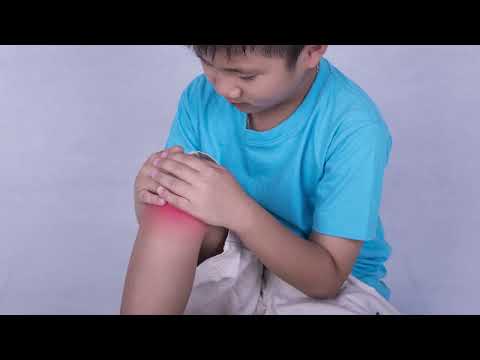
Have you ever noticed your child limping or complaining of heel pain, especially after running or playing sports? This could be a condition known as Sever’s disease. Despite its name, it’s not as scary as it sounds. In fact, it’s quite common among growing children and adolescents. Understanding this condition can help you provide the right care and support for your little athlete.
Sever’s disease, also known as calcaneal apophysitis, is an inflammation of the growth plate in the heel bone. It typically affects kids aged 8 to 14 who are active in sports that involve running and jumping. As children grow, their bones develop faster than their muscles and tendons. This imbalance can lead to pain and discomfort in the heel.
Common symptoms include:
The information provided in this article is intended solely for general informational and educational purposes. It does not constitute medical advice, diagnosis or professional treatment, and should not be considered a substitute for consultation with a qualified doctor or other licensed healthcare professional. Any health-related decisions should be made in consultation with accredited medical professionals.
While efforts have been made to ensure the information is accurate and up to date, no guarantees are given—either express or implied—regarding its accuracy, completeness, currency or suitability. Use of this information is at your own discretion.
It is strongly recommended to consult official sources such as the NHS (National Health Service) or other recognised medical institutions before acting on any information contained on this website or article. Under no circumstances should professional medical advice be ignored or delayed due to content read here.
This content is of a general and informational nature only. It is not intended to replace individualised guidance from a healthcare professional or to establish any doctor-patient relationship. The publication of this information does not imply any professional responsibility, guarantee or obligation on the part of the author or this site.
The good news? With proper care, most kids recover fully. Treatment options often include rest, ice therapy, stretching exercises, and wearing supportive footwear.
It’s important to note that while Sever’s disease is manageable, not everyone understands its nuances. Before jumping to conclusions about symptoms or treatment options, always consult different specialists. Each expert may offer unique insights into care methods that best suit your child’s situation. Be cautious about relying on just one source or method of information; consider exploring multiple perspectives from reliable media outlets for a well-rounded understanding. Your child’s health deserves informed attention!
Understanding the Factors Behind a Common Heel Ailment in Growing Kids
Sever’s disease is a common heel ailment seen in growing kids. It mainly affects children aged 8 to 15 years, particularly those who are active in sports. Understanding this condition can help parents support their children as they navigate growth spurts.
This condition arises from inflammation of the growth plate in the heel. Growth plates are areas of developing tissue located near the ends of long bones. When kids run or jump a lot, it puts stress on their heels, causing pain.
Causes of Sever’s disease often link to physical activity and rapid growth. Some contributing factors include:
Symptoms usually appear during activities and may include:
If your child complains about heel pain, it’s essential to monitor their symptoms. Encourage them to rest if needed, as playing through pain can lead to worsening issues.
Treating Sever’s disease often involves simple care measures. These may include:
Physical therapy might also be beneficial. A physical therapist can provide exercises that improve flexibility and strength.
Most importantly, understanding that Sever’s disease is typically temporary is reassuring for both parents and athletes. As kids grow and develop more strength around their heels, symptoms usually improve.
It’s important not to ignore persistent pain, though. If symptoms continue or worsen despite home care measures, consult a healthcare professional for further evaluation.
In summary, being aware of Sever’s disease helps you support your child’s health during their active years. Open communication about any discomfort they feel can make all the difference in managing this common ailment effectively.
Understanding When Surgery is Necessary for Sever’s Disease
Sever’s disease is a common condition in growing children. It often causes heel pain due to inflammation of the growth plate in the heel bone. Understanding when surgery might be necessary is important for parents and caregivers.
Most cases of Sever’s disease can be managed with non-surgical treatment. This includes rest, ice, stretching exercises, and over-the-counter pain medication. Many kids improve with these methods alone.
However, there are situations where surgery might be considered:
Surgery may involve removing a small section of the growth plate or addressing any structural issues in the foot. It’s usually only suggested when pain disrupts a child’s quality of life.
Deciding to pursue surgery should always involve careful consideration. It’s essential to weigh the benefits against potential risks and long-term effects.
Always consult with a healthcare professional before making decisions about surgery for Sever’s disease. They can provide personalized guidance based on the child’s specific situation.
In summary, while most cases respond well to non-surgical treatment, some children may need surgical intervention if symptoms persist or worsen. Understanding your child’s unique needs is key to managing Sever’s disease effectively.
Discover the Best Specialists for Managing Growing Pains in Young Athletes
Growing pains are common among young athletes, especially during growth spurts. One condition related to these pains is Sever’s disease. It mainly affects children and adolescents engaged in sports requiring running or jumping.
Sever’s disease occurs when the heel’s growth plate becomes inflamed. This inflammation leads to pain, which can disrupt training and play. Understanding the proper care for this condition is important.
When dealing with Sever’s disease, it’s essential to work with the right professionals. Here are some specialists who can help manage this condition:
Identifying these professionals can ensure your young athlete gets the best support. Early evaluation helps rule out other potential issues, making it easier to manage symptoms effectively.
Treatment often includes rest, ice therapy, stretching exercises, and sometimes custom orthotics for footwear. It’s crucial not to ignore persistent pain as it could lead to further complications.
Parents should encourage their children to communicate about discomfort during physical activity. This openness helps them get timely care.
In conclusion, collaborating with the appropriate specialists ensures a holistic approach for managing growing pains like Sever’s disease. Always consult healthcare professionals when concerns arise about your child’s health or athletic performance.
Sever’s Disease is a common cause of heel pain in growing children and adolescents, particularly those who are active in sports. This condition arises from the inflammation of the growth plate in the heel due to repetitive stress and strain. Understanding its causes, symptoms, and care can significantly help both parents and healthcare providers manage this condition effectively.
The primary cause of Sever’s Disease is physical activity that imposes excessive forces on the growing heel bone. Activities like running, jumping, or soccer can play a role. The symptoms typically include pain at the back of the heel, especially during activities, which might ease with rest.
Care for Sever’s Disease is focused on managing pain and reducing inflammation. This often involves rest, ice application, stretching exercises for the Achilles tendon, and sometimes specialized footwear or orthotics for better support. Education about modifying activity levels is essential in preventing flare-ups.
In conclusion, understanding Sever’s Disease equips caregivers with knowledge to support young athletes through their growth phases while mitigating discomfort and promoting proper healing. It’s vital to approach this condition with empathy and patience as children navigate their physical development.
