The information provided in this article is intended solely for general informational and educational purposes. It does not constitute medical advice, diagnosis or professional treatment, and should not be considered a substitute for consultation with a qualified doctor or other licensed healthcare professional. Any health-related decisions should be made in consultation with accredited medical professionals.
While efforts have been made to ensure the information is accurate and up to date, no guarantees are given—either express or implied—regarding its accuracy, completeness, currency or suitability. Use of this information is at your own discretion.
It is strongly recommended to consult official sources such as the NHS (National Health Service) or other recognised medical institutions before acting on any information contained on this website or article. Under no circumstances should professional medical advice be ignored or delayed due to content read here.
This content is of a general and informational nature only. It is not intended to replace individualised guidance from a healthcare professional or to establish any doctor-patient relationship. The publication of this information does not imply any professional responsibility, guarantee or obligation on the part of the author or this site.
Have you ever heard of stage zero breast cancer? It might sound intimidating, but understanding it can really help. Imagine finding out you have a health issue that’s just beginning. This is what stage zero is all about—cancer cells are there, but they haven’t spread anywhere else. That knowledge can be incredibly powerful.
This article peels back the layers on stage zero breast cancer. We’ll talk about the signs that might indicate something is off and dig into what causes this type of cancer to develop. You know, sometimes awareness is half the battle when it comes to health.
Let’s be clear: while this information is important, it doesn’t replace professional medical advice. Health decisions are personal and complex, so talking to a healthcare professional is always essential for any concerns or questions you may have.
By the end of this piece, you’ll have a clearer picture of stage zero breast cancer and its implications. Knowledge isn’t just power; it can also ease anxiety and lead to better health choices down the line.
Understanding the Risks and Realities of Early-Stage Breast Cancer
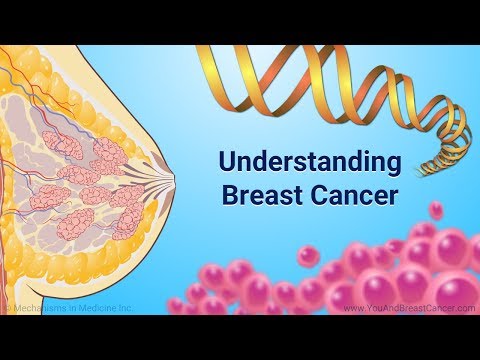
Early-stage breast cancer, particularly what’s known as stage zero, can feel a bit overwhelming. Basically, stage zero means there’s no invasive cancer yet, but there are abnormal cells that could develop into cancer later. Think of it like a warning sign—something to pay attention to rather than an emergency.
What Are the Signs?
Many times, people won’t experience obvious symptoms at this stage. Some might notice changes in their breast’s appearance or texture. Like, if you feel a lump or notice dimpling in your skin—that’s something to discuss with a healthcare provider. But remember, most changes aren’t breast cancer.
Causes: What Leads to Stage Zero?
The exact causes aren’t completely clear. However, factors influencing breast health include genetics, age, and lifestyle choices like diet and exercise. For example, having close relatives with breast cancer might increase your risk a little.
- Genetics: Some genes can increase risks. BRCA1 and BRCA2 are two well-known ones.
- Age: As women get older, their risk tends to rise.
- Lifestyle: Factors like obesity or alcohol consumption have been linked with higher risks.
The Reality Check
A diagnosis of stage zero doesn’t mean you’ll definitely develop invasive cancer later on. In fact, many people live normal lives without ever facing that outcome. That said, it’s often advised to monitor any changes closely through regular check-ups.
Treatment Options Available
Treatment will vary based on individual circumstances but may include options like surgery to remove atypical cells or closer monitoring via mammograms. It’s kinda like keeping tabs on your car—you wouldn’t ignore unusual sounds!
Mental Health Matters Too
The emotional impact of an early-stage diagnosis can be significant. It’s perfectly okay to feel anxious or confused about what all this means for your future. Seeking support from friends or counselors can be incredibly helpful in navigating these feelings.
The Bottom Line
No one wants to hear they have any kind of abnormal cells; that’s tough news! Yet being in the knowledge is often empowering. Staying informed about risks and options gives you control over your health journey moving forward.
If anything feels off with your body—or if you’re due for a check-up—there’s no harm in reaching out for professional advice! After all, it’s just part of taking care of yourself and staying proactive.
Recognizing the Subtle Signs of Early Detection
When it comes to breast cancer, catching it early can make a big difference. That’s why understanding stage zero breast cancer is essential. So, what exactly is stage zero? It’s often referred to as ductal carcinoma in situ (DCIS). At this point, the cells are abnormal but they’re still contained, meaning they haven’t spread.
Signs to Look For
Honestly, detecting stage zero breast cancer can be tricky because often there are no clear symptoms. Regular mammograms are key—they can sometimes catch changes before you even feel anything. It’s like finding a small crack in the wall before it turns into a big problem.
- Changes in Breast Shape: If one side looks different or “off,” that’s worth mentioning to your doctor.
- Lumps: While many lumps aren’t harmful, any new lump should be checked out. It’s about understanding your normal and if something feels strange.
- Nipple discharge: If you notice fluid coming from the nipple that isn’t milk, note that down.
- Pain: A persistent pain—especially if it doesn’t go away—is not something to ignore.
The Importance of Self-Exams
You know, getting familiar with how your breasts normally feel is really important. By doing regular self-exams, you will get a better sense of what’s typical for you. Some people might say they’re too busy for this, but taking just a few minutes each month can help you catch changes early on.
Cultural Factors and Misconceptions
Sometimes cultural attitudes can play a role in detection rates; some folks might think they’re invincible or that breast issues won’t happen to them. But reality check: everyone should be proactive about their health! Denial doesn’t protect you from risk.
A common myth is that only older women get breast cancer—this isn’t true! Even younger women can face risks; awareness is crucial for everyone regardless of age.
Discussing Concerns with Your Doctor
If you notice anything unusual or just have worries about your breast health, don’t hesitate to talk to a healthcare professional. They’re there to listen and provide guidance—it’s part of their job!
The thing is—the earlier any signs are caught and addressed; the better chances there are for successful outcomes later on. Feeling empowered about your health means knowing when it’s time to speak up!
Final Thoughts
If you’re feeling anxious or confused about these signs—remember you’re not alone! Many share these concerns and have questions just like yours. It’s all part of being proactive and prioritizing health—you got this!
Understanding the Nuances of Early Diagnosis and Its Implications
Understanding Early Diagnosis: Why It Matters
Early diagnosis in breast cancer, especially stage zero, is a crucial topic. So, stage zero breast cancer is often called ductal carcinoma in situ (DCIS). It means that abnormal cells are found in the milk ducts but haven’t spread beyond these ducts.
You might wonder why early detection is so important. Think of it like catching a small leak before it floods your basement. The sooner you address the issue, the easier it is to manage.
Signs of Stage Zero Breast Cancer
Interestingly, stage zero breast cancer usually doesn’t cause any noticeable symptoms. Sometimes, women might spot changes during a routine mammogram. These can include calcifications or unusual masses that aren’t typical.
A mammogram is like having an X-ray of your breast tissue; it helps to reveal hidden issues even before they become serious problems.
Causes: What Leads to Stage Zero?
The exact causes of DCIS aren’t fully understood. However, certain risk factors appear to play a role. Factors like age, family history of breast cancer, and previous breast biopsies can heighten this risk.
You know how some people are more prone to getting sunburned based on their skin type? It’s similar with breast cancer; some individuals just have higher risks depending on various genetic markers or lifestyles.
The Implications of Early Diagnosis
Catching stage zero breast cancer early has significant implications for treatment options. Women diagnosed at this stage usually have high success rates with treatments that might include surgery or radiation therapy.
This kind of treatment aims to prevent progression into invasive cancer down the road—a bit like stopping bad habits before they lead you into trouble later on.
Mammograms and You
Mammograms are essential for early detection. Recommendations often suggest starting at age 40 or earlier if there’s a family history.
But every individual case is different! It’s always best to discuss personal risk factors and screening preferences with someone who knows your health history well.
Myths vs Reality
- Myth: All detected abnormalities mean cancer.
Reality: Many abnormalities turn out to be benign (non-cancerous). - Myth: Only women with symptoms need screenings.
Reality: Regular screenings can catch issues before they create symptoms! - Myth: If you are diagnosed early, treatment won’t be needed
Reality:. Even non-invasive cancers often require treatment to prevent recurrence.
This path can feel overwhelming at times; that’s totally normal! Remember that asking questions and staying informed makes all the difference in understanding your health better.
Your Role in Health Management
{
Your role in managing your own health is vital as well! Being proactive about screening and understanding risks gives you more control over outcomes — like knowing what weather gear you’ll need when going out!
- If you’re concerned about your risks or have questions after screenings
talk openly with healthcare providers — they’re there for support! - Keeps track of changes in your body and speak up when something feels off. You know your body best!
Understanding Stage Zero Breast Cancer: Signs and Causes Explained
Stage Zero breast cancer, also called ductal carcinoma in situ (DCIS), is an important topic to grasp. It’s kind of like a warning light; it shows that there might be trouble brewing but hasn’t fully developed yet.
So, what’s going on with DCIS? Basically, it means that abnormal cells are found in the milk ducts of the breast but haven’t spread outside these ducts. Think of it like a plant that hasn’t yet broken through the soil. The roots are unhealthy, but there’s no visible growth above ground.
Recognizing the signs can be tricky because most women don’t experience symptoms. Sometimes, doctors find abnormalities during routine mammograms. A lump felt by a patient may not even occur until later stages.
The causes aren’t fully understood, which can feel frustrating. Factors such as age, family history, and genetic mutations (like BRCA1 and BRCA2) may play roles. If you have a family history of breast cancer, or if certain mutations are present in your genes, your risk increases.
It’s crucial to talk about prevention and awareness. Localized treatments often include surgery or radiation therapy aimed at removing those abnormal cells before they develop into a more aggressive form of cancer.
Living with this diagnosis can bring up many emotions—fear, uncertainty—but remember that survival rates for stage zero breast cancer are quite high when treated early. Regular check-ups and honest discussions with health professionals can foster an open environment for women to address their concerns.
This understanding ultimately empowers individuals; igniting proactive steps toward health is key. Always remain informed and engaged about what’s happening in your body—it makes all the difference!