The information provided in this article is intended solely for general informational and educational purposes. It does not constitute medical advice, diagnosis or professional treatment, and should not be considered a substitute for consultation with a qualified doctor or other licensed healthcare professional. Any health-related decisions should be made in consultation with accredited medical professionals.
While efforts have been made to ensure the information is accurate and up to date, no guarantees are given—either express or implied—regarding its accuracy, completeness, currency or suitability. Use of this information is at your own discretion.
It is strongly recommended to consult official sources such as the NHS (National Health Service) or other recognised medical institutions before acting on any information contained on this website or article. Under no circumstances should professional medical advice be ignored or delayed due to content read here.
This content is of a general and informational nature only. It is not intended to replace individualised guidance from a healthcare professional or to establish any doctor-patient relationship. The publication of this information does not imply any professional responsibility, guarantee or obligation on the part of the author or this site.
Understanding Synapses: Key Roles in Health and Disease
Have you ever wondered how your brain communicates with the rest of your body? It’s like a busy highway, with vehicles zipping back and forth, delivering messages. At the heart of this communication are tiny structures called synapses.
Synapses are critical for everything we do—from moving our fingers to remembering our favorite song. When they work well, life flows smoothly. But when they don’t, it can lead to some serious health issues.
Think about it: conditions like Alzheimer’s or depression stem from problems at these very junctions. Understanding how synapses operate can shed light on why we feel the way we do and help scientists develop better treatments.
This article is all about demystifying synapses and their roles in both health and disease. We’ll explore their function, significance, and intriguing facts that might just change how you view your own health.
Remember, this content is meant to inform but shouldn’t replace professional medical advice. Always chat with a healthcare professional for guidance tailored to your unique situation.
Exploring the Hidden Connections That Shape Our Thoughts and Actions
Understanding Synapses: Key Roles in Health and Disease
Let’s talk about synapses. You know, those tiny connections in our brains that let neurons (the brain’s messengers) communicate with each other. It’s a little like how friends send messages back and forth to share thoughts. Synapses are critical for everything from movement to memory.
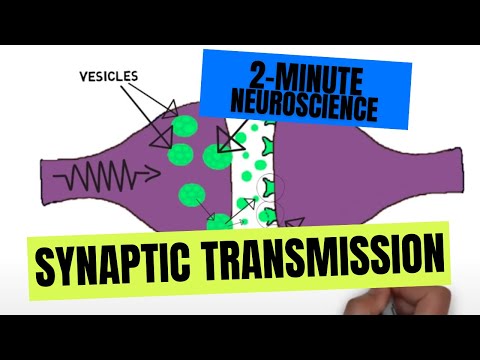
A synapse consists of three main parts: the presynaptic neuron, the synaptic cleft (that’s the tiny gap), and the postsynaptic neuron. When one neuron sends a message, it releases chemicals called neurotransmitters into this gap. These chemicals then bind to receptors on the next neuron, passing along the signal.
Think of neurotransmitters as letters being dropped into a mail slot, and receptors are like mailboxes waiting for delivery. Without these connections, our brains wouldn’t function properly.
The Role of Synapses in Health
In healthy brains, synapses work smoothly together to support everything we do. They help us learn new things or recall memories from long ago. For example, when you practice something—like playing an instrument—your brain strengthens those synaptic connections over time.
But here’s where it gets interesting: not all synapse activity is good news. An imbalance can lead to issues like anxiety or depression. It’s kind of like having a messy room; when things get cluttered up there, it’s harder to think clearly.
Synapses and Disease
Certain diseases can also impact how well synapses work. Take Alzheimer’s disease as an example; it leads to a decline in cognitive functions because many synapses start breaking down over time. Imagine your favorite pathway in a park slowly getting covered with weeds until you can’t walk through anymore.
Neurodegenerative disorders can cause brain cells to die off or lose their ability to communicate effectively through these connections. Conditions like Parkinson’s disease affect motor functions due to disrupted signals between neurons.
The Plasticity of Synapses
A cool thing about synapses is their plasticity—the ability to change and adapt based on experience or injury! This adaptability means that even if some connections weaken or die off, others can strengthen and compensate for them.
This is why learning new skills often helps recover lost functions after an injury; it’s all about building those new pathways!
Implications for Mental Health
The state of our synapses doesn’t just affect physical health; it can influence mental well-being too. Certain activities such as exercise have been shown to promote neurogenesis—the creation of new neurons—and boost neurotransmitter levels like serotonin which plays a role in mood regulation!
You might wonder if diet matters here? Absolutely! Foods rich in omega-3 fatty acids have been linked with healthier brain function, possibly affecting how well these tiny connection points work together.
Takeaway
You see, understanding synapses gives us insight into both health and disease processes happening inside our heads every day! It’s all interconnected—thoughts shape actions while actions influence thoughts back again!
- Synaptic connections are vital for communication between neurons.
- An imbalance can contribute to mental health issues.
- Diseases such as Alzheimer’s impact cognitive abilities by affecting these connections!
- Slight adjustments in lifestyle choices may promote healthier brain functioning overall.
Exploring the Hidden Connections Between Synapses and Neurological Disorders
What Are Synapses?
Synapses are like tiny bridges that connect nerve cells in your brain and nervous system. Think of them as the points where information gets passed from one brain cell to another. This communication is essential for everything—from moving your toes to recalling your favorite song.
Why Are Synapses Important?
These connections regulate how signals are sent and received. If synapses work well, information flows smoothly. But if there’s a problem, it can lead to issues including memory loss or movement disorders.
The Basics of Synaptic Function
- Presynaptic Cell: This is the sending cell.
- Postsynaptic Cell: This is the receiving cell.
- Neurotransmitters: These are chemical messengers that help transmit signals across the synapse.
You can think of neurotransmitters like mail carriers—they deliver messages from one neuron to another. When they get released from the presynaptic cell, they travel over the synapse and bind to receptors on the postsynaptic side, triggering a response.
What Happens When Synapses Don’t Work Right?
If synapses malfunction or get damaged, it can lead to a range of neurological disorders. Take Alzheimer’s disease as an example; in this condition, there’s a decline in synaptic function which contributes to memory loss and confusion.
A Closer Look at Neurological Disorders
- Parkinson’s Disease: In this case, certain neurotransmitters become imbalanced, affecting movement control.
- Anxiety Disorders: Changes in synapse function may disrupt how stress responses are processed in the brain.
- Schozophrenia: Research suggests that abnormal synapse activity is linked with symptoms like hallucinations and disorganized thinking.
You might wonder—what causes these changes? A mix of genetic factors, environment influences, and lifestyle choices often play roles. For example, chronic stress can be detrimental to synapse health!
The Role of Plasticity
Certainly most people haven’t heard of plasticity when talking about neurons—but it’s fascinating! Neuroplasticity refers to how some synapses can strengthen or weaken over time based on activity levels. Imagine you’re learning to ride a bike: With practice, those connections between neurons become stronger—making balance easier!
The Impact on Recovery
This ability for change means there’s hope for recovery from neurological disorders too! Rehab often focuses on exercise or cognitive training that encourages healthier synaptic connections. It’s all about rewiring the brain—like upgrading an old computer system.
The Takeaway
The link between synapses and neurological disorders highlights just how vital these small structures are for everyday life. Problems at the level of these connections can lead to big challenges down the road. Learning more about them not only helps us understand current conditions but also paves avenues for future therapies.
If you’re wondering about specific conditions or treatments related to synaptic dysfunctions, it’s always wise to reach out for more info from reliable sources or health professionals!
Uncovering the Secrets of Genetic Exchange and Diversity in Cell Division
Understanding Genetic Exchange in Cell Division
Genetic exchange is a fascinating aspect of biology. Basically, it’s how cells swap genetic material during division. This process is crucial for diversity and evolution. You might be wondering, why is that important? Well, diversity allows organisms to adapt better to their environment.
Cell Division Basics
Cells divide through a process called mitosis or meiosis. Mitosis creates two identical cells, while meiosis produces gametes—think sperm and eggs—which have half the usual number of chromosomes. During meiosis, genetic exchange occurs through something called crossing over.
Crossing over happens when homologous chromosomes—those that carry the same genes but may have different versions called alleles—pair up and swap segments of DNA. It’s kind of like trading baseball cards; each cell ends up with a unique combination.
The Role of Synapses
You might have heard about synapses in the context of nerve cells. In this case, however, synapses refer to points where chromosomes come together during meiosis. These synapses are essential for accurate genetic exchange and redistributing genetic traits.
Health Implications
This genetic mix-up has significant health implications too. If there are errors in crossing over or synapse formation, it can lead to diseases like cancer or genetic disorders like Down syndrome. For example, if chromosome pairing goes off-track, you may end up with an abnormal number of chromosomes—this situation is referred to as aneuploidy.
Diversity and Evolution
The beauty of this system lies in its unpredictability! When cells engage in these exchanges, they can create new traits that help species survive changing environments. Look at it this way: just like a team needs diverse skills to score well against different opponents, nature thrives on variation.
Conclusion: The Bigger Picture
The secrets behind genetic exchange reveal so much about life itself—from the tiniest bacteria adapting to antibiotics to humans developing new resistance against diseases over time. By understanding these processes better, we foster a greater appreciation for life’s complexity.
If you’re curious about specific conditions tied to these concepts or want more detailed insights into the science behind them, it’s always good talking it out with someone knowledgeable!
Understanding Synapses: Key Roles in Health and Disease
Synapses are fascinating structures in our nervous system. They act like tiny bridges allowing communication between nerve cells, or neurons. Imagine them as the connecting dots in a vast network; without synapses, signals wouldn’t travel effectively. This is crucial for everything we do, from thinking to moving.
In health, synapses function properly, ensuring smooth communication. Look at how we learn new things. The process involves strengthening these connections over time. It’s like building a well-worn path through a forest—more usage means easier navigation.
However, when something goes wrong with synapses, it can lead to various diseases. Conditions such as Alzheimer’s and Parkinson’s are linked to synaptic dysfunctions. For instance, in Alzheimer’s disease, plaques form that disrupt normal signaling between neurons.
- Alzheimer’s: Miscommunication leads to memory loss.
- Parkinson’s: Affects movement due to impaired signals.
- Autism Spectrum Disorder: May involve differences in synaptic connections.
This isn’t just about illness; it also raises questions about treatments. Therapies targeting synapse function show promise in reversing some of these issues. Researchers are exploring medications that can enhance or repair synaptic connections, which could improve symptoms for many patients.
The ongoing study of synapses sheds light on their complex roles—both good and bad—in our lives. It reminds us that understanding the brain is key to addressing neurological conditions effectively. So next time you think about how you learn or move, remember the vital role those tiny connections play!