The information provided in this article is intended solely for general informational and educational purposes. It does not constitute medical advice, diagnosis or professional treatment, and should not be considered a substitute for consultation with a qualified doctor or other licensed healthcare professional. Any health-related decisions should be made in consultation with accredited medical professionals.
While efforts have been made to ensure the information is accurate and up to date, no guarantees are given—either express or implied—regarding its accuracy, completeness, currency or suitability. Use of this information is at your own discretion.
It is strongly recommended to consult official sources such as the NHS (National Health Service) or other recognised medical institutions before acting on any information contained on this website or article. Under no circumstances should professional medical advice be ignored or delayed due to content read here.
This content is of a general and informational nature only. It is not intended to replace individualised guidance from a healthcare professional or to establish any doctor-patient relationship. The publication of this information does not imply any professional responsibility, guarantee or obligation on the part of the author or this site.
Ever feel like you’re juggling a million things while trying to figure out how to eat healthier? You’re not alone. Many people are searching for ways to shed some pounds or simply feel better in their bodies.
Here’s something interesting: did you know that a 1200 calorie diet can be effective for weight loss? But it’s definitely not a one-size-fits-all solution. This approach can be tricky, and it absolutely requires careful planning.
This article will break down what a 1200 calorie diet looks like and why it might be beneficial for certain health goals. We’ll discuss the basics—like how your body uses calories—and share practical tips on making this diet work for you. It’s all about finding the balance that keeps you feeling energized.
But here’s the thing: before jumping into any new diet, it’s crucial to consult healthcare professionals. This content doesn’t replace medical advice or personalized guidance. After all, your health journey is unique, and having expert support makes all the difference.
Easy and Delicious Recipes for a Balanced Diet
Understanding the 1200 Calorie Diet
The 1200 calorie diet is simple in concept. It’s where you limit your total daily intake to about 1200 calories. But why would anyone want to do that? Well, for many, it’s about weight loss or managing health conditions.
Cutting calories can help create a calorie deficit. Think of it like a bank account: you need to spend less than you earn to save money. In this case, you’re spending more energy than you’re taking in.
However, it’s really important to make sure you’re getting enough nutrients. You don’t want to feel tired or weak because you’re missing out on vitamins and minerals. Eating a variety of foods can help cover those bases, so you still get the nutrients your body needs.
What Should You Eat?
Okay, so if you’re aiming for 1200 calories a day, what does that look like? Picture this: lots of vegetables, lean proteins, whole grains, and healthy fats.
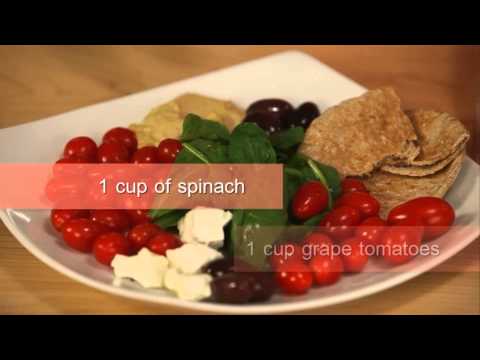
- Vegetables: Try broccoli, spinach and bell peppers. They’re low in calories but high in fiber and vitamins.
- Lean Proteins: Chicken breast or tofu are good picks here. Protein keeps you full longer!
- Whole Grains: Think brown rice or quinoa instead of white rice—more nutrients!
- Healthy Fats: Olive oil or avocado can enhance flavor and satiety—just don’t go overboard!
A Sample Day on a 1200 Calorie Diet
If you’re curious about how this looks in practice—and hey, who isn’t? – consider this example meal plan:
- Breakfast: Oatmeal with berries (around 250 calories)
- Lunch: Grilled chicken salad with lots of veggies (about 400 calories)
- Dinner: Baked salmon with asparagus and quinoa (roughly 400 calories)
- Snacks: An apple or some baby carrots with hummus (you know, about 150 calories)
This gives an idea of how balanced meals can fit into your day without exceeding calorie goals.
Navigating Challenges
You might wonder if eating just 1200 calories could lead to hunger pangs? Sometimes people feel hungry if their meals lack bulk—that’s high volume but low-cal foods that fill you up without overdoing it on calories. Vegetables are perfect here.
An important aspect is listening to your body’s cues. Are you truly hungry or just bored? It’s worth asking yourself occasionally because emotional eating happens!
Caution Signs
If you ever feel dizzy or excessively fatigued while on such a restricted diet—it might be time for a chat with someone who knows more about nutrition than I do! This path isn’t meant for everyone and should be approached thoughtfully.
A Balanced Life
Aiming for balance doesn’t mean absolute deprivation; it’s also key to enjoy your food! Making meals fun can keep motivation up while sticking to goals—all while being mindful about choices that suit your diet plan!
You know what they say: Balance is key! Eating well should feel good—not stressful! So think ahead when planning meals.Don’t forget it’s all about what works best for *you* personally.
Discovering the Surprising Impact on My Health and Energy Levels
Understanding the 1200 Calorie Diet
A 1200 calorie diet is often used for weight loss. It’s a low-calorie approach where you consume around 1200 calories each day. On the surface, that sounds pretty basic, right? But it can have surprising impacts on your health and energy levels, so let’s break it down.
Why Limit to 1200 Calories?
The idea behind limiting your calorie intake is simple: when you eat less than your body burns, you lose weight. Think of it like budgeting. If you spend less than you earn, the savings add up! However, a big reduction in calorie intake can affect your body in various ways.
Energy Levels and Fatigue
Many people worry that eating fewer calories means feeling tired or drained. Sometimes they’re right! When your body doesn’t get enough fuel, it may conserve energy which can lead to fatigue. On the flip side, if done properly with nutrient-dense foods, some folks actually report having more energy after shedding pounds.
Nutrient Balance Matters
The key here is making sure you’re still getting all essential nutrients in those 1200 calories. You know how a car needs gasoline? Our bodies need vitamins and minerals to function well too! When meals are rich in nutrients but low in calories—like fruits, vegetables, lean proteins—you’re likelier to feel good.
Short-term vs Long-term
A short-term diet can help kickstart weight loss but may not be sustainable over time. Many people feel motivated when they see initial success but struggle later on. It’s crucial to develop habits that work for your lifestyle long term instead of quick fixes.
Consultation is Key
If you’re considering this dietary plan seriously—or any diet for that matter—it’s smart to consult with someone who knows their stuff about nutrition and health. Everyone’s body reacts differently, and a tailored approach might work better than a one-size-fits-all plan.
You’re Not Alone!
Many individuals explore low-calorie diets for various reasons: health improvement or energy boost etc. Just remember that everyone’s experience will vary based on factors like age, activity level and underlying health conditions.
Wrapping It Up
The impact of a 1200 calorie diet on your health can be positive or negative depending on how it’s done. Pay attention to how you feel throughout this process; listen to your body! It’s not just about cutting calories; it’s about sharing balanced nutrition that really counts in feeling great over time!
Crafting Deliciously Balanced Meals for Your Daily Energy Needs
Understanding the 1200 Calorie Diet
The 1200 calorie diet is a plan often used by people wanting to lose weight or manage their health. It means you eat about 1200 calories a day, which is lower than what many adults typically consume. Thing is, it’s essential to make sure those calories come from nutritious foods.
Consider this: Imagine your body as a car. You need the right fuel to keep it running well. If you’re driving on empty and putting low-quality gas in, you won’t go far or feel good. The same goes for food.
Balanced Meals for Energy
A balanced meal includes a mix of proteins, carbohydrates, and healthy fats. Proteins help build muscles; carbs provide energy; and fats support hormone function and cell health. This balance is vital, especially on a restricted calorie plan.
- Proteins: Think chicken, fish, beans – they fill you up and keep you strong.
- Carbohydrates: Choose whole grains like brown rice or quinoa; they’re like giving your body a steady energy source.
- Healthy Fats: Nuts, avocados or olive oil are great options that help with absorption of vitamins.
The Importance of Nutrient Density
Nutrient density refers to how much nutrition is packed into each calorie you consume. Foods like leafy greens and berries might have fewer calories but are rich in vitamins and minerals.
If you fill your plate with processed foods that are high in added sugars or unhealthy fats, you’ll quickly reach your calorie limit without getting all the nutrients needed for daily energy.
Add Variety
You know how when you’re eating the same thing all week it gets boring? Your meals should be colorful and diverse too! Different colors usually mean different nutrients—so load up on variety!
- Leafy Greens: Spinach and kale provide iron; important for energy levels.
- Berries: They’re tasty and packed with antioxidants which fight stress in the body.
- Your Choices Matter:
Consider rotating between different proteins like fish one day and lentils another—it keeps meals exciting!
Pacing Yourself Through the Day
If you’re aiming for 1200 calories spread throughout the day rather than cramming them all into one meal can help prevent feelings of deprivation. It also helps maintain consistent energy levels!
- Small Meals:Your breakfast could include Greek yogurt topped with mixed berries—providing protein along with some carbs early on!
- Sensible Snacking:A handful of nuts or an apple between meals can keep hunger at bay while adding nutrition without excess calories.
The Role of Hydration
You shouldn’t forget about water! Staying hydrated can sometimes help manage hunger pangs—and it’s important for overall health too! Sometimes our brain confuses thirst with hunger which may lead to unnecessary snacking on those tougher days when cravings hit hard!
Cautions About Low-Calorie Diets
If you’re thinking about trying something as low as 1200 calories per day, consider talking to someone who knows about nutrition first—everyone’s needs are different based upon their level of activity & health circumstances!
The bottom line? Aiming for balanced meals that nourish while keeping those energy levels steady—that’s where the magic happens in any diet plan including this one!
Understanding the 1200 Calorie Diet for Better Health Outcomes
The 1200 calorie diet is often touted as a weight loss strategy aimed at creating a calorie deficit. But what does that mean, really? Simply put, when you consume fewer calories than your body burns, you lose weight.
Now, this diet typically emphasizes whole foods – fruits, vegetables, lean proteins, and whole grains. These foods provide essential nutrients while keeping the calorie count low. Picture eating a big salad filled with colorful veggies; it’s filling but low in calories.
However, here’s the catch: not everyone should follow this strict plan. It might be suitable for some people looking to shed pounds quickly or those under medical guidance. But for many others, it can lead to nutrient deficiencies over time—like missing out on vitamins and minerals.
Also, let’s be real; a drastic cut in calories can sometimes trigger feelings of deprivation. This might lead to unhealthy eating behaviors later on. You know how when you’re really hungry; that cupcake suddenly looks like the best thing ever?
It’s crucial to listen to your body and adjust accordingly. A balanced approach is often more sustainable long-term than merely counting every single calorie.
In reflection, while the 1200 calorie diet may offer short-term benefits for some individuals, it’s essential to consider personal health needs first. Consulting with a healthcare provider before making any significant dietary changes can help ensure that it fits within a broader context of overall nutrition and wellness.