The information provided in this article is intended solely for general informational and educational purposes. It does not constitute medical advice, diagnosis or professional treatment, and should not be considered a substitute for consultation with a qualified doctor or other licensed healthcare professional. Any health-related decisions should be made in consultation with accredited medical professionals.
While efforts have been made to ensure the information is accurate and up to date, no guarantees are given—either express or implied—regarding its accuracy, completeness, currency or suitability. Use of this information is at your own discretion.
It is strongly recommended to consult official sources such as the NHS (National Health Service) or other recognised medical institutions before acting on any information contained on this website or article. Under no circumstances should professional medical advice be ignored or delayed due to content read here.
This content is of a general and informational nature only. It is not intended to replace individualised guidance from a healthcare professional or to establish any doctor-patient relationship. The publication of this information does not imply any professional responsibility, guarantee or obligation on the part of the author or this site.
Have you ever noticed things looking a little distorted, or maybe you saw wavy lines when you were just trying to read? It can be pretty unsettling, right? Well, these could be signs of retinal issues. That’s where the Amsler Grid test comes in.
This simple yet effective tool helps screen for problems in your central vision. You see, our retinas play a crucial role in how we perceive the world. They’re like the camera of your eye, capturing images and sending messages to your brain.
The Amsler Grid is designed to spot early warning signs of conditions like age-related macular degeneration and diabetic retinopathy. Both can sneak up on you and lead to serious vision loss if not caught early.
This article will break down what the Amsler Grid is, how it works, and why it’s important for your eye health. We’ll also go over how to use it effectively at home.
Just a heads-up: this information isn’t meant to replace professional medical advice. Always consult with a healthcare provider for any concerns about your vision or overall health.
Uncovering the Hidden Signals in Your Vision Health
Understanding Vision Health
Our eyes are incredible. They let us experience the world around us. But sometimes, they might show signs that something’s not right. Being aware of these signals can help us catch issues early.
The Amsler Grid Test
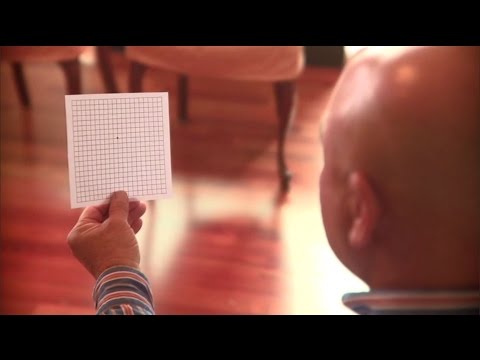
The Amsler Grid is a simple tool used to check for problems in the center of your vision. It’s made up of a grid with straight lines and a dot in the middle. When you look at it, you can see how your eyes respond.
What Does It Look Like?
Picture a piece of graph paper with black lines forming squares. In the center, there’s a small dot for you to focus on. If everything looks normal, the lines should be straight and even across the grid.
Why Use It?
This test helps detect conditions like macular degeneration or other retinal issues early on. These conditions can lead to serious vision loss if left unchecked.
How Do You Use It?
- Find a well-lit space.
- Cover one eye and focus on the dot in the center.
- If any lines appear wavy, blurry, or missing, take note.
- Repeat with the other eye.
Interpreting Results
If you notice any abnormalities—like wavy lines or parts of the grid that seem missing—it’s important to talk about it with someone who knows about eye health. It’s not a diagnosis, but rather something that warrants further exploration.
A Reasonable Frequency
You might wonder how often you should do this test. Well, people over 50 or those with risk factors for eye problems should consider checking regularly—perhaps once a month or whenever you’re concerned about your vision.
Common Misconceptions
A lot of folks think their vision must be perfect all time or there’s no need for these tests. That’s not quite right! Many changes can happen slowly and go unnoticed until they’re more serious.
Taking Action
If anything seems off during your self-test, it’s best to consult an expert about those concerns promptly—it doesn’t hurt to be proactive! Regular checks help maintain overall visual health and quality of life.
Your Vision Matters
Caring for your eyes is essential as they play such an important role in everyday life. So keep an eye out (pun intended) for those hidden signals! Trusting in how you feel and acting on any changes is really key here; don’t ignore it!
Exploring the Role of Amsler Grid in Spotting Retinal Issues
The Amsler Grid Test: A Simple Tool
The Amsler Grid is a handy tool used to help spot issues with our vision, particularly problems related to the retina. You know that part at the back of your eye? That’s where all the magic happens in terms of capturing images. If something goes wrong there, it can affect how we see the world.
What Does the Amsler Grid Look Like?
Picture a piece of graph paper with a dot in the center. The grid is usually made up of straight lines running both horizontally and vertically. Easy enough, right? The test uses this design because it helps identify whether you’re seeing things clearly or if there are any distortions.
Why Do We Use It?
The main goal is to check for conditions like macular degeneration or diabetic retinopathy. These are terms that refer to specific damage in our eyes that can lead to vision changes. When someone looks at an Amsler Grid, they’re trying to notice any wavy lines or missing spots—these could be red flags that something’s not quite right.
How Does One Use It?
- First off, find a well-lit space.
- Hold the grid about 14 inches away from your eyes.
- Cover one eye and look at the dot in the center.
- If you see wavy lines or holes where there should be none, that’s important info!
What Happens Next?
If you notice anything unusual during this little test, it’s worth bringing up with your eyecare professional. They might recommend further tests, which can provide more detailed insight into what’s going on with your retina. Sometimes early detection leads to better outcomes.
A Commonly Overlooked Test
A lot of people don’t think about their eyesight until something feels off— but proactive testing like this can make a real difference! It’s kinda like doing maintenance on your car; catching small issues now means avoiding bigger problems down the road.
The Importance of Regular Eye Checkups
No matter how well you perform on an Amsler Grid test, regular checkups are essential for maintaining good overall eye health. Just as we get physicals for our general health, making sure our eyes are functioning properly deserves equal attention. Don’t skip those appointments!
Taking Care of Your Retina
Your retina plays a crucial role in how you perceive images and navigate through life. Nourishing it involves more than just monitoring changes with an Amsler Grid; eating foods rich in vitamins C and E, zinc and omega-3 fatty acids can all contribute positively too. Maybe consider leafy greens or fish as part of your diet if you’re not already doing so!
Visualizing Vision Changes: Understanding Macular Degeneration Through the Amsler Grid
Understanding Macular Degeneration
Macular degeneration is a common eye condition, especially as we age. It happens when the part of the retina called the macula deteriorates. The macula is responsible for our central vision, which is vital for tasks like reading and recognizing faces.
There are two main types of macular degeneration: dry and wet. Dry is more common and develops gradually, while wet can cause faster vision loss due to abnormal blood vessels. It’s kind of like a slow leak in a tire versus a sudden blowout.
The Amsler Grid: Your Vision Check Tool
The Amsler Grid is a simple yet effective tool used to monitor your central vision. Imagine it as a checkerboard pattern with a dot in the center. When you look at it, you’re checking if any of the lines look wavy or distorted.
You can even try it at home! Just print an Amsler Grid, cover one eye at a time, and see if anything looks off. If something seems strange—a line looks fuzzy or you notice dark spots—it’s worth mentioning to an eye care professional.
Why Is It Important?
Catching changes in your vision early can help with timely treatment. Think about this like noticing water stains on your ceiling before they turn into major leaks in your house. The sooner you act on issues, the better chances you have to manage them effectively.
The Amsler Grid isn’t just for people diagnosed with macular degeneration. It can also be useful for anyone who might be at risk due to age, family history, or other health conditions.
Using the Amsler Grid Regularly
Regular checks with the Amsler Grid can help you track changes over time. It’s like keeping tabs on your car’s fuel gauge; if you notice it dropping quickly, there might be something wrong under the hood.
- Check your vision once a week or as recommended by an eye care provider.
- If you see any new vision changes, don’t hesitate to reach out for advice!
- Your eyes are important; taking them seriously makes all the difference.
The Bottom Line
Understanding how to use tools like the Amsler Grid empowers you regarding your eye health. Macular degeneration can sound daunting but being proactive about monitoring your sight can lead to better outcomes.
If you’re unsure about anything related to vision changes or testing methods like this one, remember that reaching out for clarification is always best! Keeping communication open will only help you navigate these challenges more smoothly.
Understanding the Amsler Grid Test for Retinal Health
The Amsler Grid test is a simple yet effective tool used to assess the health of the retina, specifically the macula. It’s commonly utilized in detecting conditions like age-related macular degeneration (AMD) and other visual distortions. So, what makes it so significant?
First off, let’s talk about its design. The grid consists of straight lines arranged in a square, creating a pattern that looks like graph paper. In the center is a small dot; this is where your focus should be while you’re looking at the grid. Isn’t it neat how such a basic tool can provide so much information?
When someone performs the test, they cover one eye and fixate on that central dot. They then observe whether any lines appear wavy, blurred, or distorted. This method helps highlight problems in vision that could be linked to retinal issues.
Imagine trying to draw a straight line without using a ruler—if your hand shakes or wobbles, the final outcome may look crooked. Similarly, if there’s something wrong with your retina, it can cause those lines on the Amsler Grid to appear not quite right.
The test is particularly valuable for people at risk for macular degeneration due to age or family history. Regular self-testing can lead them to notice changes early and seek medical advice promptly.
However, it’s important to remember that while it’s easy to do at home—just print out an image and find proper lighting—it’s not an alternative for full eye exams with an eye care professional. Think of it as a first alert system rather than a complete diagnostic tool.
In practical terms, incorporating the Amsler Grid into routine self-checks can empower individuals about their eye health. It encourages proactive participation—which is crucial when dealing with conditions affecting vision.
Ultimately, understanding this simple test contributes significantly to personal vigilance regarding retinal health and timely intervention if issues arise.