The information provided in this article is intended solely for general informational and educational purposes. It does not constitute medical advice, diagnosis or professional treatment, and should not be considered a substitute for consultation with a qualified doctor or other licensed healthcare professional. Any health-related decisions should be made in consultation with accredited medical professionals.
While efforts have been made to ensure the information is accurate and up to date, no guarantees are given—either express or implied—regarding its accuracy, completeness, currency or suitability. Use of this information is at your own discretion.
It is strongly recommended to consult official sources such as the NHS (National Health Service) or other recognised medical institutions before acting on any information contained on this website or article. Under no circumstances should professional medical advice be ignored or delayed due to content read here.
This content is of a general and informational nature only. It is not intended to replace individualised guidance from a healthcare professional or to establish any doctor-patient relationship. The publication of this information does not imply any professional responsibility, guarantee or obligation on the part of the author or this site.
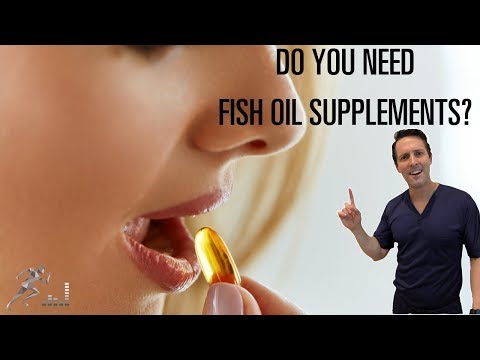
Ever wonder why some people swear by fish oil supplements? It’s not just for the love of seafood. The benefits might surprise you. Research suggests that those omega-3 fatty acids in fish oil could play a big role in heart health, brain function, and more.
You know, with so many supplements out there, it can be hard to figure out what actually works. Fish oil has been studied quite a bit—and there’s a lot of interesting stuff to unpack. This article will take you through the various health benefits, plus some considerations you should keep in mind.
Whether you’re looking for ways to support your heart or enhance your mood, understanding how fish oil fits into the mix is crucial. But remember, this content doesn’t replace professional medical advice; always consult your healthcare provider before making any changes to your routine.
Your health decisions shouldn’t rest on reading one article alone. So let’s dive into what makes fish oil worth considering!
Unlocking the Secrets to Better Health and Vitality through Omega-3 Rich Fish Oil
Understanding Omega-3 Fish Oil
So, let’s chat about omega-3 fish oil. You might have heard it’s a big deal for health. But what exactly is it? Well, omega-3 fatty acids are essential fats that our bodies can’t produce on their own. That means we need to get them from food or supplements.
Fish like salmon, mackerel, and sardines are loaded with these good-for-you fats. When people talk about fish oil supplements, they’re usually referring to these omega-3s: EPA and DHA. They’re usually considered the dynamic duo of fatty acids that do wonders for overall health.
The Benefits of Omega-3s
Now, why bother with omega-3s? Research suggests they can help with heart health. You know how your heart works harder when you’re stressed? Omega-3s may help keep it calm and healthy by reducing inflammation and improving cholesterol levels.
Inflammation can be a sneaky villain in many diseases. Think of it as the body’s response to injury or infection. But chronic inflammation can lead to serious issues like arthritis or heart disease. Omega-3s might help lower that risk.
Mood and Brain Health
Another interesting point is how omega-3s relate to our brain health. Ever feel down or anxious? Some studies suggest that people who consume enough omega-3s have a lower risk of depression. It seems these fatty acids might play a role in brain function and mood regulation.
A Healthy Balance
However, it’s not just about loading up on fish oil capsules; balance is key. Our diets often have too much omega-6 (which comes from processed foods). Too much of any kind of fat isn’t ideal; we need both types for body harmony.
How Much Do You Need?
You might be wondering: “How much should I take?” The recommended amount isn’t one-size-fits-all—it depends on factors like age, health conditions, and dietary habits. A general guideline is around 250–500 mg combined EPA and DHA daily for adults.
A Word About Quality
Oh! And not all fish oil supplements are created equal. It’s important to choose high-quality ones that have been tested for purity—some can contain toxins if they’re not processed well.
The Bottom Line
If you’re curious about adding omega-3 fish oil to your routine, chatting with a healthcare provider could be helpful! They can guide you based on your unique needs.
A little extra knowledge about what you put into your body goes a long way toward better health—so don’t hesitate to explore what works best for you!
Unlocking the Surprising Benefits of Daily Omega-3 Intake
What Are Omega-3 Fatty Acids?
So, omega-3 fatty acids are a type of fat that our bodies need but can’t make on their own. They play a major role in brain function, as well as normal growth and development. You can find them in certain foods, especially fish, nuts, seeds, and some plant oils.
The Power of Fish Oil Supplements
Fish oil is a concentrated source of omega-3s. People often take it in supplement form for its potential health benefits. It’s like getting the best bits of healthy fats without having to eat lots of fish every day.
Heart Health
One of the most talked-about benefits of omega-3s is heart health. Research shows that they may help lower blood pressure and reduce triglycerides—these are fats in your blood that can increase the risk of heart disease. Think of omega-3s like little helpers for your heart.
Brain Function
Your brain loves omega-3s! These fatty acids are crucial for maintaining brain structure and function. Some studies suggest they might even support cognitive health as we age. Imagine them as building blocks for your brain cells.
Mood and Mental Health
There’s also some evidence linking omega-3 intake with improved mood and mental health. For example, people who consume more omega-3s might experience lower rates of depression or anxiety. It’s like giving your mind the nourishment it needs to feel balanced.
Anti-inflammatory Properties
This is another interesting area to consider. Chronic inflammation can lead to various health issues, including arthritis and other conditions. Omega-3s have anti-inflammatory effects which could help mitigate these problems over time.
How Much Should You Take?
The right amount can vary based on factors like age and lifestyle so talking with someone who knows about nutrition is always good approach before starting any new supplement regimen.
Sourcing Your Omega-3s
If you’re not into fish oil supplements, don’t worry! You can get omega-3 fatty acids from other sources too. Fatty fish like salmon or mackerel are great options. Walnuts and flaxseeds also pack a punch! So there are plenty of ways to boost your intake naturally.
A Word on Quality
If you’re considering fish oil supplements, quality matters! Not all supplements are created equal; some may contain impurities or low-quality oils. Always look for reputable brands—better safe than sorry!
The Bottom Line
Incorporating daily omega-3 intake could offer several benefits ranging from heart health to improved mood support; however, it’s always smart to consider how it fits into your overall dietary patterns first.
The main thing? Balance is key! It’s not just about one nutrient but the whole picture when it comes to healthy habits.
Discover How Omega-3s Can Enhance Your Health and Well-Being
What Are Omega-3 Fatty Acids?
Omega-3 fatty acids are a type of healthy fat. They’re essential for our bodies, meaning we can’t make them ourselves, and we need to get them from food or supplements. The main types are EPA (eicosapentaenoic acid) and DHA (docosahexaenoic acid). You find these mostly in fish and some plant sources like flaxseeds.
Why Are They Important?
These omega-3s play a key role in brain health, heart health, and reducing inflammation. Think of them as the good guys that keep your body running smoothly—like oil keeps a car engine working well. When there’s not enough omega-3s, various issues can arise.
Health Benefits of Fish Oil Supplements
Fish oil supplements are packed with omega-3s. Many people take them to support their overall health. For instance, studies suggest that omega-3s may help lower the risk of heart disease by reducing triglycerides—a type of fat in your blood.
- Heart Health: Omega-3s may lower blood pressure and improve cholesterol levels.
- Mental Well-being: Some research indicates they could help reduce symptoms of depression and anxiety.
- Joint Health: People with arthritis often find relief because omega-3s can reduce joint stiffness.
- Pregnancy: Pregnant women need omega-3 for fetal brain development, which makes it super important during this time.
The Role of Inflammation
This is where things get interesting. Chronic inflammation can contribute to many diseases like cancer or heart disease. Omega-3 fatty acids have anti-inflammatory properties, kinda like a soothing balm for your body’s internal irritations.
A Real-Life Example
A friend of mine started taking fish oil supplements after hearing about their benefits. She noticed her energy levels improved and felt less achy after workouts. While everyone is different, her experience highlights how some people might benefit from including these in their diet.
A Plant-Based Alternative
If you’re not into fish or want to avoid fish oil supplements for any reason, don’t worry! Chia seeds and flaxseeds contains ALA (alpha-linolenic acid), another type of omega-3 that is plant-based. It’s not converted as efficiently into EPA or DHA but still offers some benefits!
Cautions to Consider
If you’re thinking about starting fish oil supplements, it might be helpful to speak with a healthcare provider first—just to make sure it fits your individual needs. Some people may experience side effects like an upset stomach or fishy aftertaste.
The Bottom Line
Omega-3 fatty acids are important for many aspects of health—from the heart to mental well-being. Incorporating sources through diet or considered supplementation might offer benefits worth exploring! Balancing these fats with other nutrients is key; just remember it’s all about maintaining an overall healthy lifestyle!
Fish oil supplements are often touted for their numerous health benefits. They contain omega-3 fatty acids, which are essential fats our bodies need but can’t produce on their own. Omega-3s play vital roles in brain function and normal growth and development.
Research suggests that these fatty acids can help reduce inflammation, lower blood pressure, and decrease triglyceride levels. This means they might contribute to heart health by making it easier for blood to flow and reducing the risk of heart disease.
Additionally, some studies show that omega-3s may improve mental health by alleviating symptoms of depression and anxiety. It’s like adding a layer of protection around your brain’s cells, helping to keep them healthy.
That being said, not all fish oil supplements are created equal. The quality of these supplements varies greatly. Some may contain harmful contaminants like heavy metals or PCBs (polychlorinated biphenyls). So, you should always choose reputable brands that test their products for purity.
Also worth noting is that while fish oil can be beneficial, it’s not a miracle cure. A balanced diet rich in whole foods is still crucial for overall health. It’s smart to consult with a healthcare professional before starting any new supplement regimen to ensure it’s appropriate for you.
In a nutshell, while fish oil supplements might offer notable benefits—especially for heart and mental health—they should be part of a broader approach to wellness rather than the sole focus.